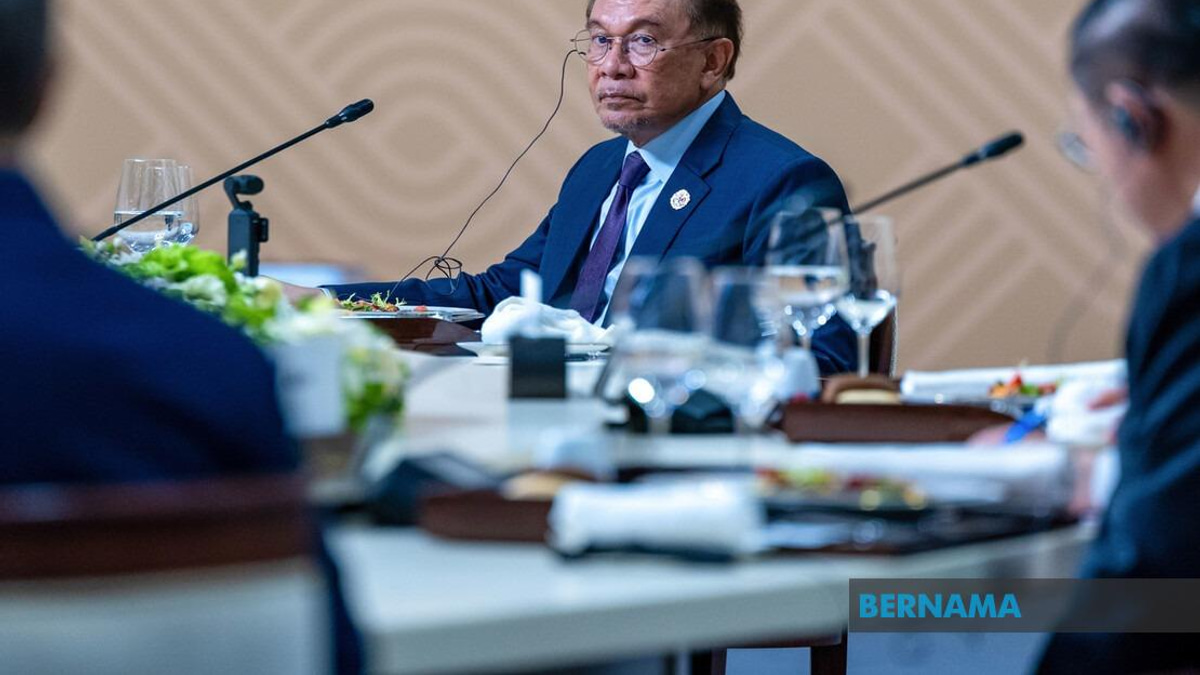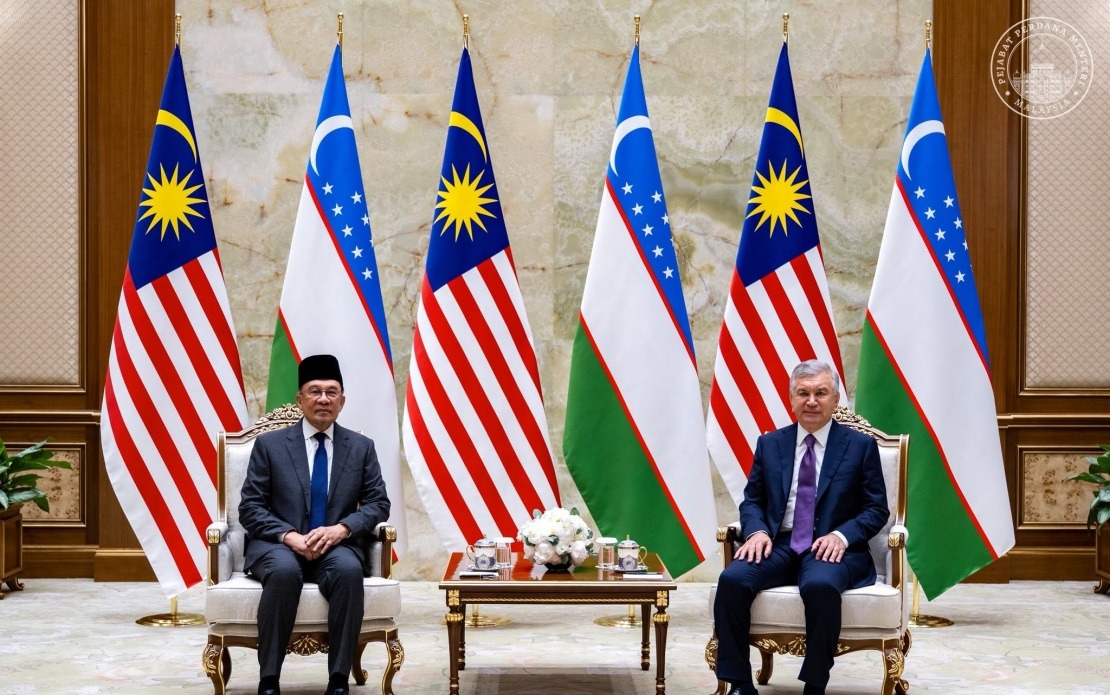
Prime Minister Datuk Seri Anwar Ibrahim has identified substantial opportunities for Malaysia and Uzbekistan to deepen their strategic partnership across multiple sectors, following discussions with Uzbekistan President Shavkat Mirziyoyev during a transit stop in Tashkent. The unscheduled meeting, which took place as Anwar travelled to Kazan for the ASEAN-Russia Commemorative Summit on June 17-18, reflects the increasing diplomatic momentum between the two nations and the Malaysian government's commitment to broadening engagement across Central Asia.
The bilateral engagement underscores Malaysia's strategic pivot towards strengthening economic and diplomatic ties with non-traditional partners beyond Southeast Asia. Uzbekistan, as Central Asia's most populous nation and a key player in regional geopolitics, offers Malaysian businesses and investors substantial opportunities in sectors where both nations possess complementary strengths. Anwar's willingness to utilise transit time for high-level diplomatic discussions demonstrates the value placed on this relationship, even within a tight international schedule.
Energy cooperation emerged as a particularly significant focus area in the discussions. Both Malaysia and Uzbekistan recognised the potential for expanded collaboration in the gas and petroleum sectors, two industries where Uzbekistan possesses substantial reserves and technical expertise. For Malaysia, such partnerships could diversify its energy security portfolio and reduce dependence on existing suppliers, while simultaneously opening export opportunities for Malaysian oil and gas sector services and technology. The emphasis on energy cooperation also reflects broader global trends, as nations increasingly seek reliable, stable energy partnerships outside traditional Western frameworks.
Beyond the extractive industries, the two leaders identified the halal industry as a particularly promising avenue for collaboration. Malaysia has positioned itself as a global halal hub and standard-setter, while Uzbekistan, with its significant Muslim population, represents an expanding market for halal-certified products and services. This sector intersection offers opportunities for Malaysian companies to establish manufacturing, certification and distribution operations in Central Asia while simultaneously creating employment and knowledge transfer in Uzbekistan.
Educational cooperation between Malaysia and Uzbekistan also features prominently in the bilateral agenda. Higher education partnerships could facilitate student exchanges and institutional collaborations, particularly in fields aligned with both nations' development priorities. Such arrangements strengthen people-to-people connections and cultivate a generation of leaders familiar with both societies, creating lasting foundations for diplomatic and commercial relationships.
The tourism sector presents another avenue for mutual benefit. Uzbekistan's rich historical heritage, including UNESCO World Heritage sites along the historic Silk Road, attracts growing international visitor numbers. Malaysian tourism operators and hospitality companies could develop niche tourism products packaging Uzbek cultural attractions, while Uzbekistan could market itself more aggressively to Southeast Asian travellers. Similarly, Malaysian tourism offerings could be promoted to Uzbek visitors, particularly as middle-class purchasing power expands across Central Asia.
Anwar's invocation of shared Islamic civilisational values and scholarly traditions reflects a softer, cultural dimension to the bilateral relationship that transcends purely commercial considerations. By emphasising Malaysia's role in preserving and advancing Islamic intellectual heritage, Anwar positions Malaysia as a cultural bridge and knowledge custodian, strengthening the relationship's ideological and civilisational foundations. This narrative resonates particularly in Uzbekistan, where Islam represents an important cultural and historical marker following the Soviet period.
The trade and investment pillar of the partnership addresses the fundamental economic drivers of bilateral relations. Malaysian capital and entrepreneurial expertise could flow into Uzbekistan's developing private sector, while Uzbek natural resources and manufacturing capabilities could supply Malaysian and broader ASEAN markets. Formalising and streamlining investment frameworks between the two nations would facilitate such capital flows and reduce transaction costs for businesses operating across borders.
Anwar's public appreciation for Uzbekistan's commitment to strengthening relations with ASEAN countries signals Malaysia's appreciation for Tashkent's multilateral engagement strategy. As Central Asia increasingly moves beyond Russia's traditional sphere of influence, Uzbekistan's outreach to Southeast Asian groupings strengthens inter-regional connectivity and creates diplomatic opportunities for Malaysia to position itself as a bridge between these strategic regions.
The broader geopolitical context colours this bilateral engagement. As regional powers reposition themselves in response to shifting global power dynamics, Malaysia's cultivation of partnerships with Central Asian nations demonstrates strategic diversification away from traditional focus areas. This approach aligns with Malaysia's non-aligned tradition while pragmatically acknowledging that economic opportunities and diplomatic influence increasingly extend beyond Southeast Asia's conventional boundaries.
For Malaysian investors and businesses, the partnership signals official encouragement to explore opportunities in Uzbekistan and the broader Central Asian region. Government-level backing for bilateral cooperation typically precedes expansion of commercial activity, making this announcement particularly significant for companies in energy, halal products, education technology and tourism services seeking to internationalise operations.
The timing of this engagement, occurring during Anwar's journey to a major regional summit, also reflects the interconnected nature of modern multilateral diplomacy. The brief Tashkent stop enabled Malaysia to demonstrate commitment to Central Asian engagement while maintaining active participation in Southeast Asian-led regional architecture, exemplifying the balancing act that characterises contemporary Malaysian foreign policy.
Moving forward, the successful development of this partnership depends on translating political declarations into concrete mechanisms: bilateral trade agreements, investment protection frameworks, institutional partnerships between universities and research centres, and sectoral working groups to identify and overcome specific barriers to cooperation. The foundational commitment expressed by both leaders provides a solid platform upon which these practical arrangements can be constructed.