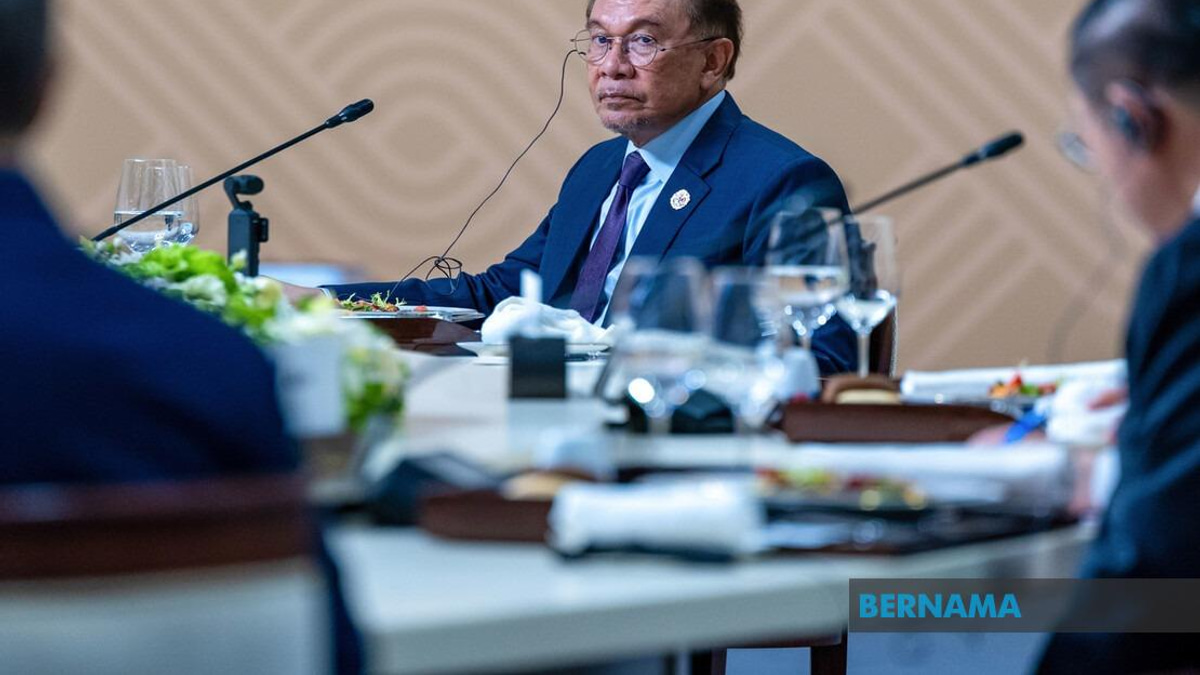
Prime Minister Anwar Ibrahim has issued a firm warning that developing nations across the globe will no longer accept inequitable treatment from European countries, signalling a shift towards assertiveness in international relations and a readiness to explore alternative partnerships. Speaking with evident conviction about Malaysia's strategic interests, Anwar pointed to his country's ongoing dispute with Norway over defence-related matters as a concrete example of this broader principle in action, demonstrating that Kuala Lumpur will not hesitate to pursue other avenues when facing what it perceives as unjust conduct from Western nations.
The dispute with Norway, which has garnered less international attention than many other bilateral tensions, reflects a deeper frustration among developing economies about how their interests are often deprioritised by more affluent European nations. Malaysia's willingness to challenge Norway publicly through its prime minister indicates that the country views this disagreement not merely as a commercial or technical matter, but as a test case for how Malaysia and similarly positioned nations should conduct themselves in an increasingly multipolar world. This stance carries particular significance for Southeast Asia, where countries have long navigated relationships with more powerful external actors while attempting to preserve their sovereignty and economic interests.
Anwar's comments arrive at a moment when developing nations have grown increasingly vocal about perceived double standards in international dealings. The post-pandemic era has seen a noticeable uptick in friction between Western nations and emerging economies over trade practices, environmental standards, and defence arrangements, often reflecting divergent priorities and values. Malaysia, as a middle-income country with significant strategic importance due to its geographic location and economic status, occupies a unique position where it can articulate concerns on behalf of developing nations while maintaining its own distinct interests in regional stability and growth.
The reference to alternative solutions signals that Malaysia is not interested in prolonged confrontation but rather in obtaining outcomes that its leadership deems fair and reasonable. This pragmatic approach reflects the reality of Malaysian foreign policy, which traditionally emphasises negotiation and the pursuit of mutual benefit rather than confrontation. By invoking the Norway dispute in this broader context, Anwar is essentially telling European nations that Malaysia possesses options beyond accepting their terms, whether through engagement with other international partners, regional cooperation mechanisms, or independent action.
The defence-related nature of the Malaysia-Norway dispute suggests that security considerations are at the heart of the disagreement, an area where developing nations often find themselves at a disadvantage when dealing with technologically advanced European countries. Issues of technology transfer, contractual obligations, or differing interpretations of agreements frequently plague such arrangements. Malaysia's public resistance to accepting unfavourable outcomes in such disputes may embolden other developing nations to take similarly strong stances, potentially reshaping negotiating dynamics across various international engagements.
From a Malaysian perspective, this posture serves multiple purposes simultaneously. Domestically, it demonstrates to the electorate that the government is vigilant in protecting national interests against external pressures, a politically valuable message in a country where sovereignty and independence carry deep historical resonance. Regionally, it positions Malaysia as a nation unwilling to be taken advantage of, potentially elevating its standing among fellow Southeast Asian countries and other developing economies that face similar challenges. Internationally, it signals that the days of automatic deference to European preferences may be waning, particularly when those preferences conflict with legitimate national interests.
The broader implications of Anwar's statement extend beyond Malaysia to shape perceptions of how developing nations are likely to behave in future negotiations with wealthy Western countries. As these nations accumulate greater economic and technological capabilities, their willingness to accept dictates from Europe diminishes proportionally. The rise of alternative power centres, particularly in Asia, has created genuine options for countries seeking to diversify their international relationships and reduce dependency on any single bloc.
Europe's own internal challenges, ranging from economic pressures to shifting geopolitical circumstances, may have inadvertently weakened its bargaining position with developing nations at precisely the moment when those nations have grown more assertive. Malaysia's stance reflects a confidence that it possesses sufficient strategic value and alternative partnerships to weather disagreements with any individual European nation, a calculation that would have seemed less feasible in previous decades when Western dominance over global affairs remained more pronounced.
The question of what constitutes fair treatment in international relations, however, remains contested terrain. What Malaysia characterises as unjust European conduct may be viewed differently by European counterparts, creating scope for ongoing friction unless both parties can identify common ground or acceptable compromise arrangements. Nevertheless, Anwar's willingness to voice this grievance publicly reflects a conviction that Malaysia's position deserves recognition and that the days of accepting unfavourable outcomes without protest have passed. For Malaysia and similar developing nations, this represents a recalibration of international engagement reflecting their growing confidence and alternatives in an increasingly multipolar world.