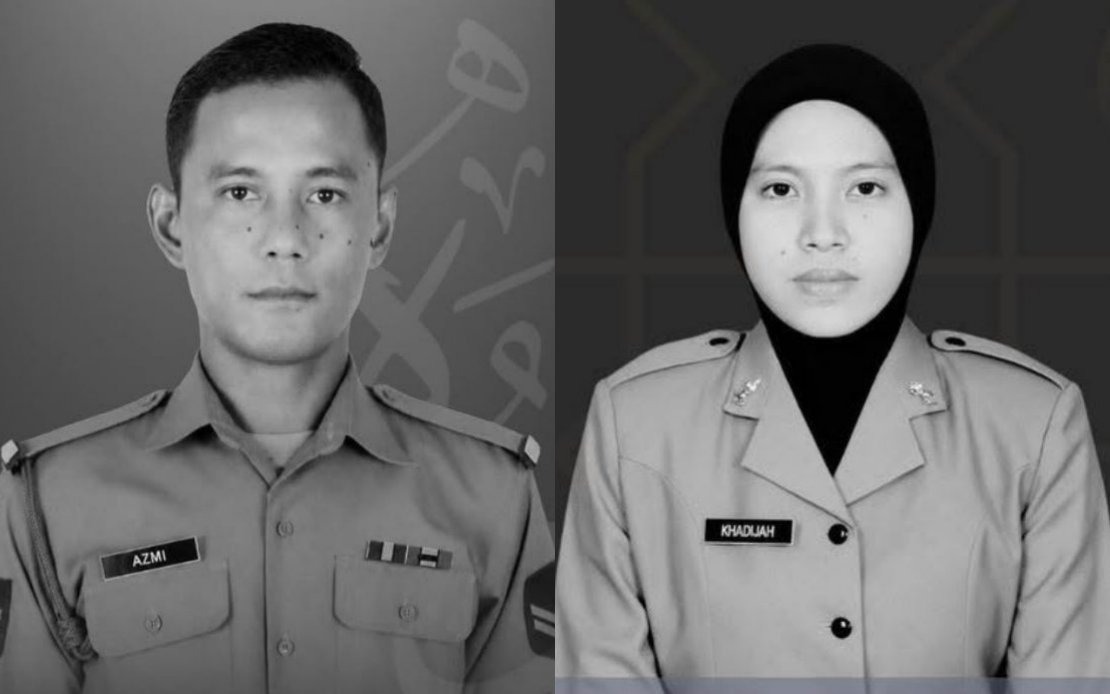
Two Malaysian Army personnel have been confirmed dead following an explosion during a grenade-throwing exercise at the Hobart Camp shooting range in Gurun, Kedah, on the morning of June 16. The victims were identified as Corporal Norazmi Abu Bakar, attached to the 6th Battalion, Royal Malay Regiment, and Private Siti Khadijah Sungip, serving with the 1st Squadron, Royal Army Engineers Regiment. Both soldiers sustained critical injuries in the blast and were declared dead en route to Sultan Abdul Halim Hospital in Sungai Petani.
The incident occurred during the RAJD Combat Enhancement Training programme, which falls under the operational oversight of the 2nd Infantry Division. This training module is designed to equip personnel with advanced tactical skills and hands-on experience with explosive ordnance, yet the accident has raised immediate questions about safety protocols during such high-risk exercises. Preliminary information indicates the explosion happened at approximately 10.57 am, during what would typically be a routine component of military readiness training. The circumstances surrounding how the detonation occurred remain under investigation.
General Tan Sri Azhan Md Othman, the Chief of the Malaysian Army, has ordered a comprehensive and urgent inquiry to establish the precise cause of the accident. Such investigations are standard procedure following fatalities during training operations, particularly when explosives are involved. The general has expressed profound sorrow at the loss of the two soldiers and extended formal condolences to their families, acknowledging the profound grief they are experiencing. He has also called upon the families to demonstrate resilience as they navigate this tragedy, while assuring them that the military institution shares their burden.
The bodies of both personnel have been transferred to Sultanah Bahiyah Hospital in Alor Setar to undergo post-mortem examinations, which will provide crucial medical and forensic details about the circumstances of their deaths. These examinations are a mandatory step in any military fatality investigation and will form part of the evidentiary record for the full inquiry. The hospital's forensic team will work to establish whether the deaths resulted from blast trauma, fragmentation injuries, or other mechanisms related to the explosion.
For Malaysian military personnel and their families, such incidents underscore the inherent risks embedded within defence force training, particularly exercises involving explosives and ordnance. Grenade training, while essential for combat readiness, requires meticulous adherence to established safety procedures and continuous vigilance from instructors. The incident at Hobart Camp will likely prompt a broader review of training protocols across Malaysian Army installations, as commanders assess whether current safety measures remain adequate in preventing similar tragedies.
The Malaysian defence establishment has committed to a comprehensive review of all training safety procedures based on findings from the ongoing investigation. This response reflects institutional accountability and a recognition that military training, while necessarily demanding, must incorporate every feasible safeguard to protect personnel lives. The Army's leadership has acknowledged the need for continuous improvement, signalling that the investigation will not merely identify causes but will inform evidence-based enhancements to operational safety culture.
For the broader Southeast Asian region, military training fatalities are an occasional but sobering reminder of the operational hazards faced by defence personnel across the region. Malaysia's response—emphasising transparent investigation and commitment to safety improvements—aligns with professional military standards upheld by defence forces throughout the area. The incident may also prompt peer discussions among regional military establishments regarding best practices in explosive ordnance training and risk mitigation.
The loss of these two soldiers has implications for their units and the wider Army structure. Corporal Norazmi Abu Bakar's death represents a loss to the 6th Battalion, Royal Malay Regiment, while Private Siti Khadijah Sungip's service with the Royal Army Engineers Regiment demonstrates that such tragedies affect personnel across the force structure. The engagement of both combat and engineering personnel in training operations reflects the integrated nature of modern military preparation.
As the investigation unfolds, the Malaysian Army faces the dual responsibility of determining accountability and implementing systemic improvements. The families of the deceased will be seeking answers regarding whether proper procedures were followed and what measures might prevent recurrence. Military investigators will examine training documentation, equipment condition, instructor qualifications, and adherence to safety protocols. This process typically requires several weeks to complete, though preliminary findings may emerge sooner.
The incident serves as a stark reminder that military service, even during training operations, carries genuine risks that cannot be entirely eliminated despite advanced safety measures and strict protocols. The Malaysian defence community and broader public will be watching the investigation's progress and the subsequent implementation of any recommended changes, as these outcomes may influence public and institutional confidence in military training operations throughout the nation.