Malaysia's fire service has sounded an alarm over the growing menace of residential fires sparked by improper device charging, revealing that unsafe practices have destroyed millions of ringgit worth of property across the country over the past three years. Between 2023 and 2025, the Jabatan Bomba dan Penyelamat Malaysia (JBPM) documented 59 incidents resulting in approximately RM14.2 million in losses, a figure that underscores a persistent gap in public awareness regarding electrical safety in homes. The scale of this problem extends across ten states, painting a picture of how widespread careless charging habits have become among Malaysian households.
The geographic distribution of these incidents reveals a particularly acute problem in East Malaysia, with Sarawak shouldering the heaviest financial burden. The state accounted for nearly 69 percent of total losses, recording RM9,707,956 from 11 separate cases. Kelantan on Peninsular Malaysia experienced the second-highest losses at RM1,147,400 across 17 incidents, while Sabah reported RM806,800 from three cases. The data demonstrates that the issue is not confined to any single region but represents a national challenge requiring coordinated response across diverse geographical and demographic contexts.
Other states experienced varying degrees of impact. Selangor, despite being the most densely populated state, recorded five incidents totalling RM661,040 in losses, suggesting either better awareness or different charging behaviours among urban populations. Penang registered RM537,125 in damages from nine cases, while Johor reported RM470,000 from just two incidents, indicating that fire severity can vary considerably regardless of incident frequency. Putrajaya, Melaka, Terengganu and Perak each documented lower figures but still substantial losses, ranging from approximately RM95,750 to RM387,000. Notably, Kedah, Negri Sembilan, Pahang, Perlis, Kuala Lumpur and Labuan recorded no documented cases during this period, though this absence may reflect either exceptional safety practices or potential underreporting.
The fire department emphasised that each incident presents distinct investigative complexities that cannot be reduced to financial metrics alone. Officials stressed that determining causation requires meticulous analysis tailored to specific circumstances, including the physical location where the fire originated, the particular device involved, the condition of evidence after flames consumed materials, hazardous elements present at the scene, and sophisticated technical examination. The most challenging investigations, according to JBPM, are not necessarily those involving the largest fires or greatest losses but rather cases demanding extensive technical scrutiny and expert analysis to reach definitive conclusions about causation.
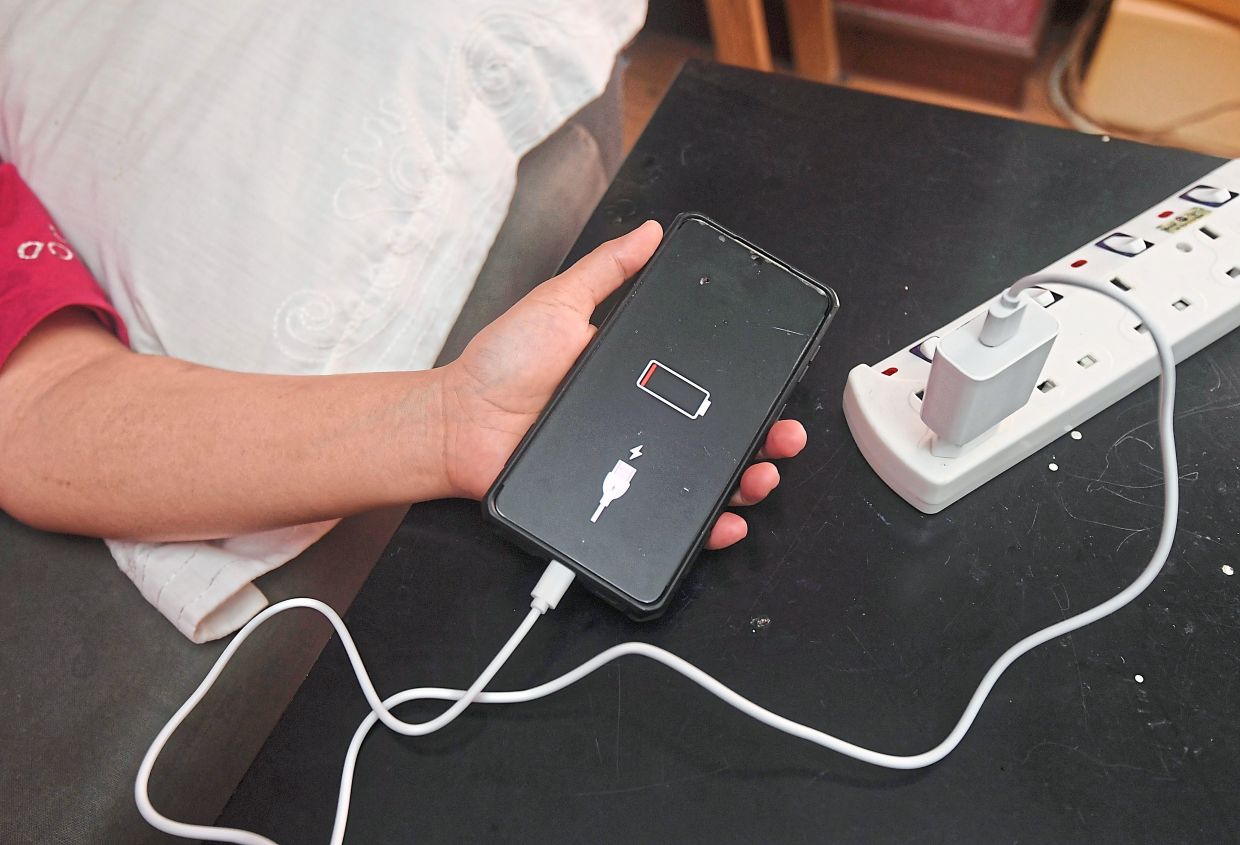
Investigations have identified a troubling array of dangerous charging practices prevalent in Malaysian households. Unattended overnight charging represents a widespread habit, leaving devices unmonitored during hours when household members are asleep and unable to respond to problems. The use of non-certified chargers and substandard cables poses particular risk, as these products often lack safety mechanisms built into legitimate equipment. Charging devices directly on combustible surfaces such as mattresses, pillows, sofas and blankets creates ideal conditions for fires to develop and spread, as these materials themselves become fuel sources for flames. Overloading power strips beyond their rated capacity and using visibly damaged devices with swollen batteries, excessive heat generation, acrid odours or compromised cabling all contribute to the accident pattern JBPM has documented.
The root cause of these dangerous practices frequently traces to consumer behaviour and purchasing decisions driven by cost rather than safety. Many Malaysians continue selecting cheaper chargers and electrical accessories despite clear quality and safety differences, effectively gambling with household security in pursuit of minor financial savings. This false economy proves particularly costly when such substandard equipment lacks proper safety certifications and quality assurance mechanisms, leaving users vulnerable to overheating, electrical short circuits and resultant fires. The practice reflects insufficient consumer education about the genuine risks involved and the true cost of fire incidents, which extends far beyond the price difference between safe and unsafe products.
The fire service has pressed recommendations aimed at immediately reducing risk. Users should avoid charging devices on any soft surfaces, replace deteriorating sockets, cables and power adapters promptly rather than continuing to use damaged equipment, and refrain from leaving devices charging without supervision. Critically, JBPM advises that all charging equipment should carry SIRIM certification and other recognised safety approvals, ensuring products have undergone rigorous testing and meet established safety standards. This guidance provides Malaysian consumers with clear, actionable steps to substantially reduce fire risk within their homes.
Public awareness remains insufficient despite the magnitude of losses and widespread nature of the problem. JBPM acknowledges that educational efforts must intensify to shift consumer mindsets regarding electrical safety and charging practices. The department has committed to expanding fire safety education initiatives, conducting preventive outreach campaigns and collaborating strategically with relevant agencies to embed safer charging habits throughout Malaysian society. These efforts recognise that lasting change requires sustained engagement and coordination across multiple stakeholders rather than isolated campaigns.