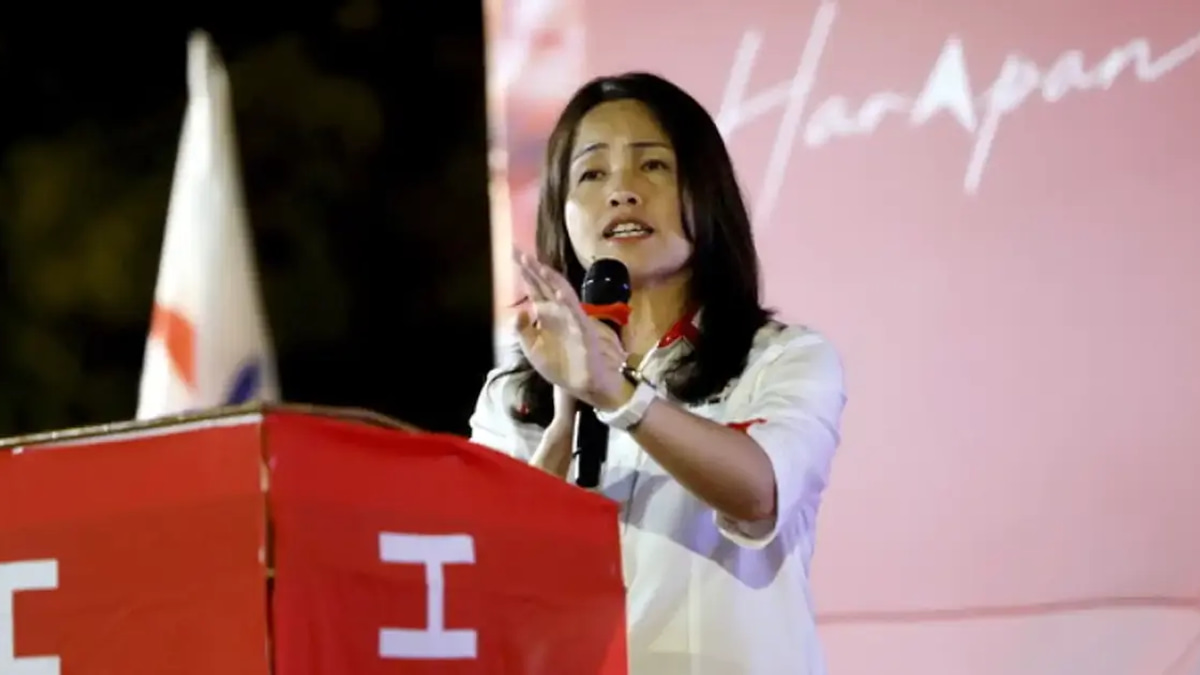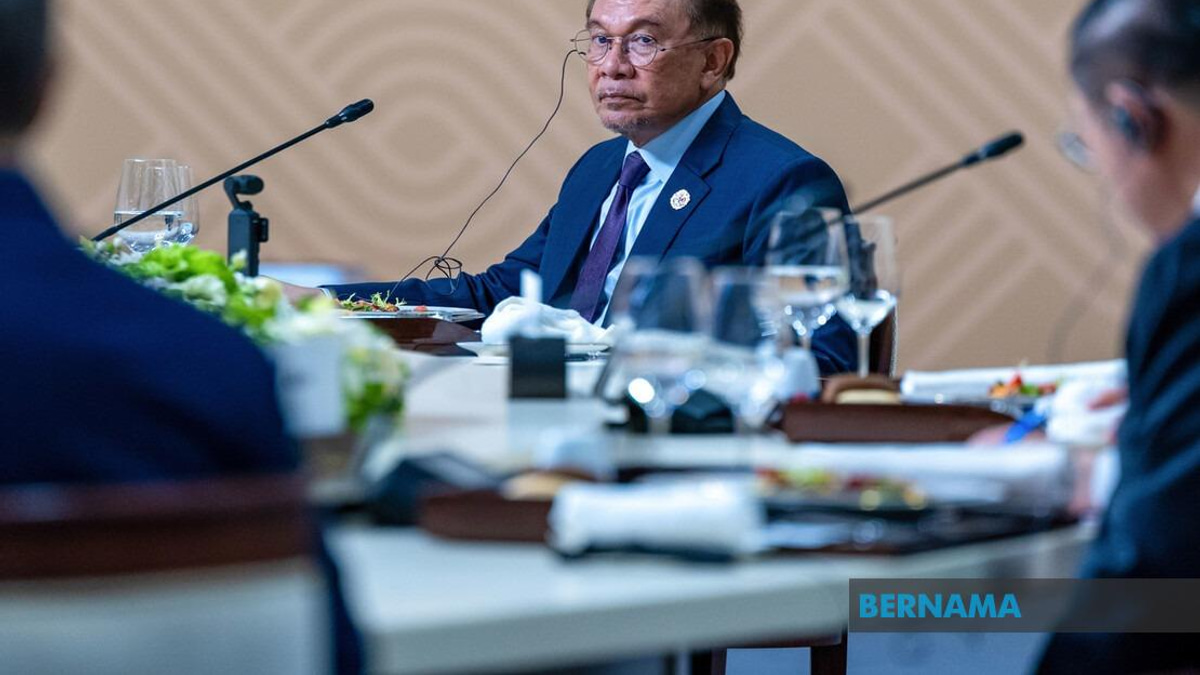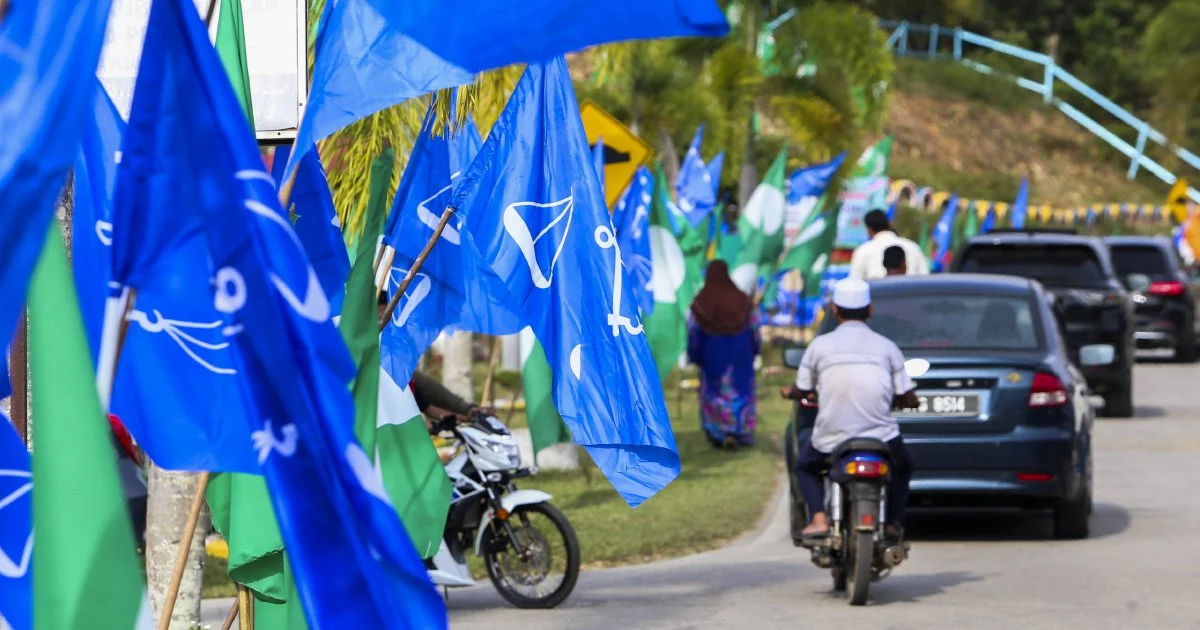
Political speculation in Malaysia is intensifying as senior party figures begin laying out timelines for the nation's 16th general election. Datuk Mohd Amar Nik Abdullah, serving as vice-president of the Islamic Party of Malaysia (Pas), has publicly indicated his expectation that the polls will materialize sometime between late October and November of this year, remarks made in his home state of Kelantan.
The announcement carries particular weight given Pas's pivotal role in Malaysia's political landscape. As one of the nation's oldest political organisations and a significant player within the Perikatan Nasional coalition, the party's assessment of electoral timing reflects internal consultations and calculations within the broader political establishment. Such pronouncements from high-ranking officials often signal groundwork being conducted behind the scenes to prepare party machinery and coordinate with coalition partners.
Election timing in Malaysia has become increasingly unpredictable in recent years, shaped by competing pressures from various political factions, economic considerations, and constitutional requirements. The current parliament was sworn in following the 15th general election in November 2022, which delivered a fractured mandate that eventually led to the formation of the present government. Since then, the political consensus about when the next election should occur has remained fluid, with different leaders offering different assessments based on their strategic interests.
The October-November window Mohd Amar has suggested would provide several advantages for campaigning. The period falls after the major religious observances of Awal Muharram and Deepavali, and avoids the school examination season, making voter mobilisation relatively straightforward. Weather patterns during these months are typically manageable across most of Malaysia, though the onset of the monsoon season in some states could present logistical complications.
For the federal government and its coalition partners, an election during this timeframe would allow for finalisation of key policies and budget allocations before campaign regulations take effect. The current administration would have the better part of a year to consolidate its position and demonstrate administrative competence to voters. However, opposition coalitions would also have adequate time to refine their electoral strategy and rebuild grassroots networks, particularly important for the Democratic Action Party and other peninsular-based opposition parties.
Regionally, Malaysian election timing matters beyond domestic politics. A general election during this period would fall within a window of relative stability in Southeast Asia, avoiding major international events while allowing Malaysia to participate fully in regional forums and bilateral engagements. The election result could influence ASEAN dynamics and Malaysia's approach to international affairs, making the timing relevant for neighbours and regional observers.
The specific mention of an October-November timeframe by a Pas official is significant because it narrows previous speculation that had suggested the election could occur anytime between now and mid-2025. Party calculations typically involve confidence in polling numbers, assessment of voter sentiment, and coordination with coalition partners. Pas's position as a kingmaker in several state governments and its influence within Perikatan Nasional suggests the party leadership has engaged in serious discussions about preparedness and electoral prospects.
However, Malaysian electoral timing remains subject to multiple variables beyond party preferences. The Prime Minister retains the constitutional discretion to advise the Yang di-Pertuan Agong on dissolution of parliament, allowing for flexibility in the actual poll date. Economic conditions, unforeseen political developments, or changes in coalition dynamics could shift calculations at the last moment. Previous elections in Malaysia have occasionally been called at short notice, sometimes surprising even seasoned political observers.
For ordinary Malaysians, the emerging consensus around a late-2024 election window provides a degree of certainty for personal and business planning. Five years between general elections is the standard constitutional maximum, and approaching that timeline suggests the government is unlikely to delay further. Voters and political actors alike can now begin preparing for an election campaign with reasonable confidence about the likely timeframe.
The Pas vice-president's statement also reflects the party's confidence in its electoral position. A party uncertain about its prospects might prefer to maintain ambiguity about election timing. The specificity of the October-November window suggests Pas believes both its internal organisation and external political conditions favour going to the polls during this period. How this positioning translates into actual campaign performance will become clearer once the election is formally called.
As Malaysia moves through 2024, political parties across the spectrum will be interpreting Mohd Amar's remarks as a signal to accelerate preparations. Candidate selection, resource mobilisation, and strategic messaging will all shift into higher gear. Whether the election ultimately occurs exactly as he has suggested will depend on decisions made in the Prime Minister's office and broader political negotiations that remain opaque to public view.