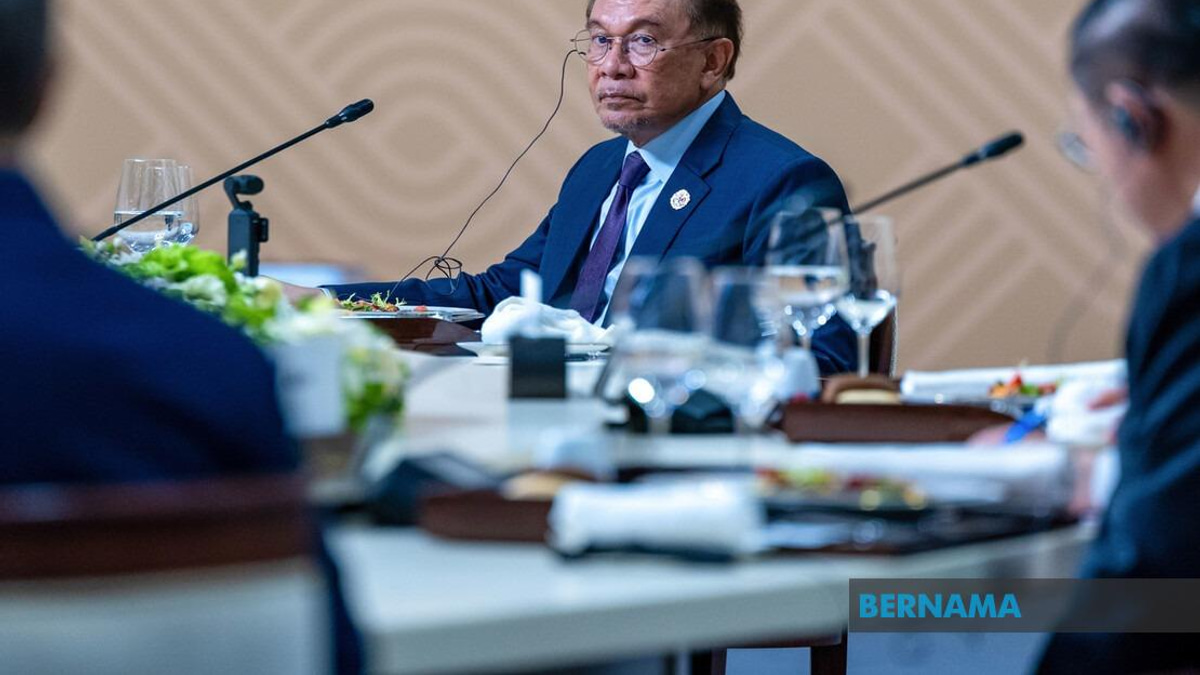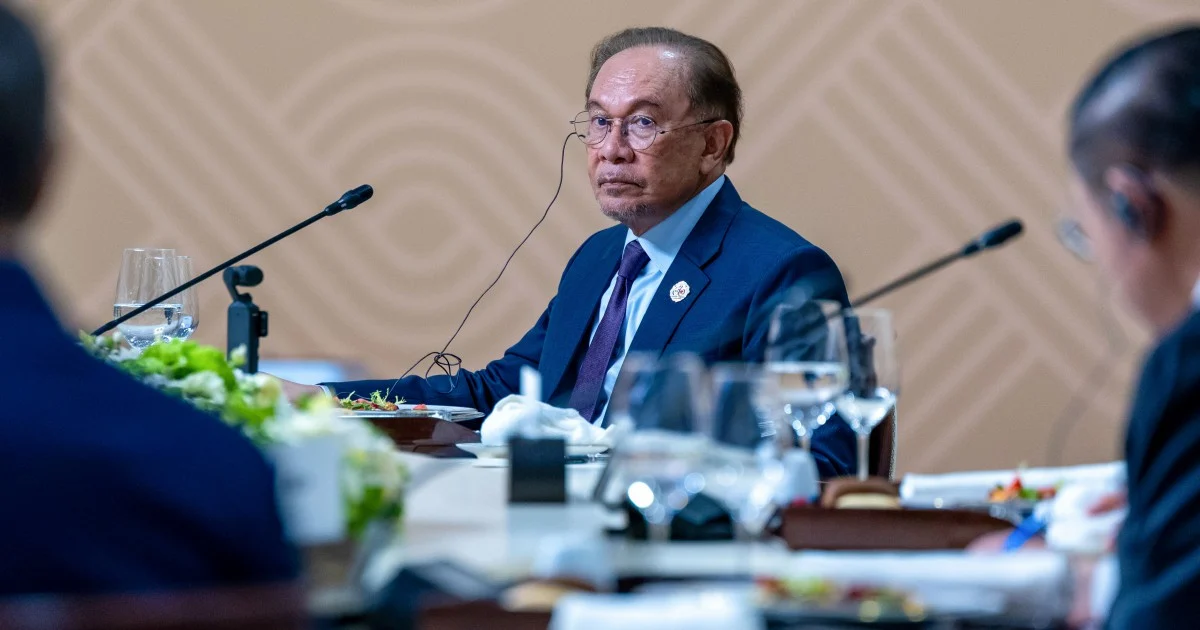
Prime Minister Datuk Seri Anwar Ibrahim has issued a pointed warning to European nations, signalling that developing countries will increasingly turn to alternative partners if they encounter discriminatory or inequitable treatment. The Malaysian leader's cautionary remarks reflect growing tensions between the Global South and European governments, particularly regarding defence and strategic matters, with a defence-related dispute involving Norway serving as the catalyst for his comments.
Anwar's statement represents a significant articulation of the frustration many developing nations harbour toward what they perceive as double standards in international relations. The Malaysian government has consistently advocated for a multipolar world order where smaller and medium-sized nations are afforded equal standing and respect in bilateral and multilateral dealings. The Prime Minister's words carry particular weight given Malaysia's own experience navigating complex relationships with major global powers while maintaining strategic autonomy and national interests.
The specific dispute with Norway that prompted Anwar's remarks underscores a broader pattern of friction between developed and developing nations over defence procurement, sovereignty, and policy autonomy. Norway, typically regarded as a progressive Nordic nation with strong democratic credentials, has apparently taken actions that Kuala Lumpur views as overreaching or discriminatory toward Malaysian interests. Such disagreements frequently involve arms sales restrictions, technology transfers, or political pressure masquerading as principled stances on governance and human rights issues.
From Malaysia's perspective, European nations often impose conditions and demands on developing countries that would be considered unacceptable if applied to their own allies or peer nations. This asymmetry in diplomatic expectations has become increasingly visible in recent years as developing nations accumulate greater economic and strategic leverage. The growth of China, India, and other emerging powers has created a fundamentally different international environment where small and medium nations enjoy greater choice in their partnerships than they did during the Cold War or immediate post-Cold War era.
Anwar's warning also reflects Malaysia's position as a country deeply embedded in Southeast Asian networks and increasingly influential within Non-Aligned Movement circles and South-South cooperation frameworks. Malaysia has cultivated relationships across the Global South, including with Gulf states, African nations, and other Asian economies. The Prime Minister's comments signal that Europe can no longer assume it occupies a privileged position in relations with developing countries—a significant shift from historical patterns where European economic and political influence often went largely uncontested.
The reference to a defence-related issue with Norway is particularly significant given the Nordic nation's strong reputation on international law and humanitarian concerns. If even a country widely perceived as principled and progressive is accused of unfair treatment by a developing nation, it suggests the bar for acceptable behaviour toward the Global South has shifted considerably. Malaysia's willingness to publicly call out such conduct indicates a growing confidence among developing nations to challenge what they view as hypocritical or selective application of international norms.
For Southeast Asian countries more broadly, Anwar's remarks carry implications for regional autonomy and the broader balance of power in the Indo-Pacific. European nations, including Norway, have become increasingly active in the region, sometimes positioning themselves as counterweights to Chinese influence or as defenders of international norms. However, if European governments are perceived as treating developing nations unequally, their moral authority and diplomatic effectiveness in the region will inevitably suffer. Southeast Asian nations place considerable value on respect and equal treatment in international relations, viewing unequal partnerships as vestiges of colonialism.
The practical consequence of Anwar's warning is that European nations risk losing diplomatic influence and economic opportunities in developing markets if they continue policies perceived as discriminatory. Developing countries increasingly have alternative partners—whether China, India, Russia, or Gulf states—willing to engage on terms that respect their sovereignty and strategic autonomy. European nations can no longer assume their historical prestige will override contemporary geopolitical realities and the legitimate aspirations of developing nations for equitable international treatment.
Malaysia's stance also reflects broader conversations occurring across the Non-Aligned Movement and within ASEAN about creating more balanced international relations. The country has positioned itself as a bridge between different spheres of influence and an advocate for developing nation interests without adopting reflexively anti-Western positions. Anwar's criticism is therefore particularly notable because it comes from a leader often perceived as pragmatic and willing to engage constructively with Western partners, suggesting that frustration with European conduct extends beyond countries already aligned with alternative powers.
The underlying message of Anwar's statement is that developing nations have evolved beyond historical patterns of deference and dependency. They possess sufficient economic weight, strategic value, and alternative partnerships to demand treatment commensurate with their status and interests. European nations would be wise to recognise this fundamental shift and adjust their diplomatic approach accordingly, particularly toward significant regional economies like Malaysia.
Looking forward, the tension between developing and developed nations will likely intensify if current patterns persist. Anwar's warning should be understood not as mere rhetoric but as a reflection of actual policy reorientation occurring throughout the Global South. European nations interested in maintaining influence and partnerships in developing regions must demonstrate consistency in their principles and fairness in their dealings. The days of asymmetrical international relationships favouring Western countries appear to be drawing to a close, replaced by a more multipolar system where all nations—regardless of development status—expect equitable treatment.