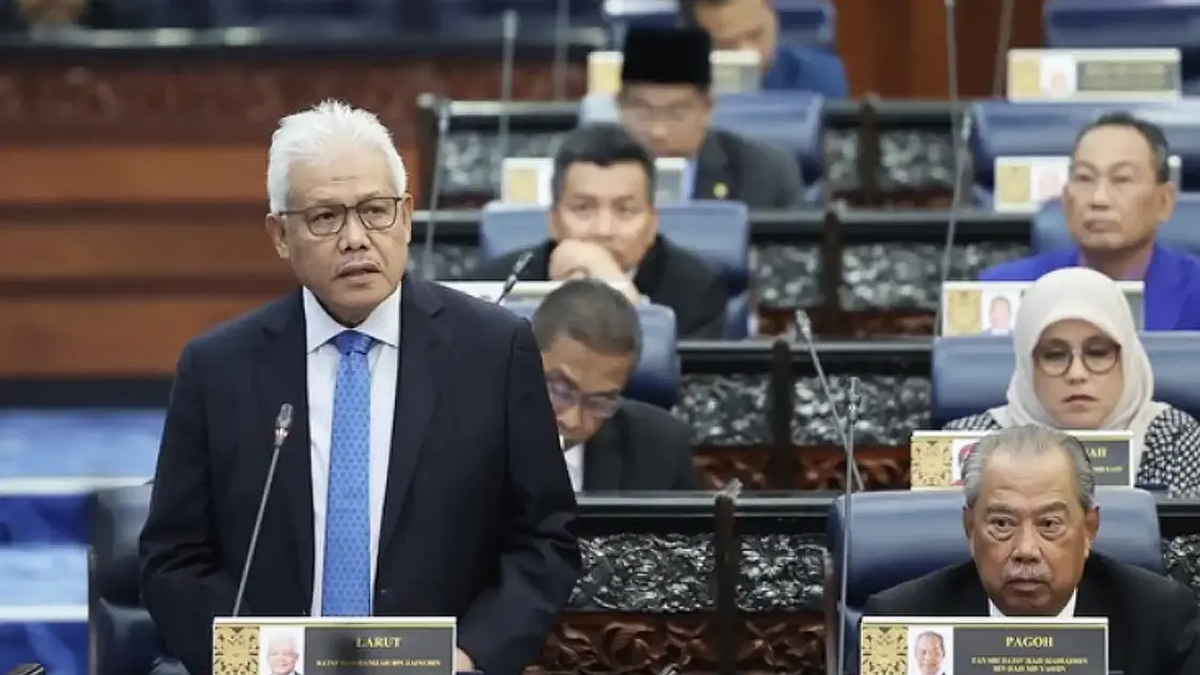
Malaysia's transport infrastructure strategy is undergoing a fundamental recalibration, with the government pivoting away from the traditional highway-centric model toward a more sophisticated, interconnected approach that prioritises seamless integration with public transport systems. Works Minister Datuk Seri Alexander Nanta Linggi has articulated this evolution clearly, signalling that while highways will continue to play a role in the nation's mobility framework, the era of expansive highway construction is giving way to a more measured, intelligent approach focused on maximising existing infrastructure efficiency.
The shift reflects a broader international trend among transport planners grappling with the limitations of car-dependent models. Countries across the developed world have come to recognise that building more roads frequently generates additional congestion rather than solving it—a phenomenon economists term induced demand. By constructing new highways, authorities inadvertently encourage more vehicle usage, eventually creating gridlock on the expanded networks. This lesson has prompted a reconsideration of transport policy across Asia and beyond, with ministers increasingly championing multimodal solutions that distribute traffic across diverse transportation channels.
Nanta's emphasis on intelligence and integration signals recognition that Malaysia's burgeoning urban centres—particularly the Klang Valley, which accounts for a significant share of national economic output and population concentration—require sophisticated coordination among transport modes. Intelligent highways utilising real-time traffic management systems, variable speed limits, and dynamic lane management can extract substantially greater capacity from existing infrastructure without necessitating land acquisition or environmental disruption. Such technologies enable authorities to respond instantaneously to traffic patterns, reducing bottlenecks and improving overall network resilience during peak periods and unexpected incidents.
Connectivity between highway systems and public transit represents a critical gap in many Southeast Asian cities. Even well-functioning bus networks or rail lines often fail to seamlessly link with highway infrastructure, creating friction for commuters and undermining the appeal of public transport alternatives. Nanta's framework envisages eliminating these disconnects through improved park-and-ride facilities, coordinated ticketing systems, and transit-oriented development patterns that position residential and commercial nodes along major transit corridors. Such integration transforms highways from singular purpose-built conduits into nodes within comprehensive mobility networks.
The policy reorientation carries substantial implications for Malaysia's fiscal priorities and urban planning trajectory. Highway construction demands immense capital expenditure, and maintenance costs escalate dramatically once networks mature. Redirecting resources toward transit-oriented development, bus rapid transit systems, and last-mile connectivity solutions typically yields higher returns on investment while generating more equitable access to mobility across income levels. Citizens unable to afford private vehicle ownership or fuel costs gain meaningful transport alternatives, addressing equity concerns that pure highway expansion cannot resolve.
Regionally, Malaysia's approach positions it among Southeast Asian nations increasingly serious about addressing urban transport challenges through integrated planning rather than automobile-dominant paradigms. Singapore's comprehensive multimodal system, whilst serving a vastly smaller territory, demonstrates how intelligent coordination between highways, rapid transit, buses, and walking infrastructure can handle extraordinary mobility demands. Vietnam and Thailand have initiated substantial public transit investments, recognising that sprawling highway networks alone cannot accommodate rapid urbanisation and rising vehicle ownership.
Implementing this vision requires coordination across multiple government agencies and private stakeholders. Highway authorities must collaborate with public transit operators, municipal planners, and telecommunications companies to ensure data sharing and unified decision-making. The institutional frameworks often lag policy ambitions, as transport agencies in Malaysia and throughout the region typically operate with considerable administrative separation. Overcoming these silos represents a governance challenge as significant as technical considerations.
Private sector engagement will prove essential to successful execution. Real estate developers should incorporate transit connectivity into project planning rather than treating public transport as an afterthought. Technology companies can contribute traffic management expertise and data analytics capabilities. Financial institutions must develop innovative financing mechanisms for transit-oriented infrastructure that distribute costs appropriately across beneficiaries.
The minister's comments also reflect growing awareness of environmental imperatives. Transport accounts for substantial greenhouse gas emissions across Malaysia and Southeast Asia, with private vehicle usage dominating urban mobility patterns. Shifting modal share from automobiles toward public transit directly reduces per-capita emissions whilst improving urban air quality. This environmental dimension resonates increasingly with younger voters and international development partners prioritising climate action.
Challenges remain formidable. Existing urban sprawl patterns in metropolitan areas genetically dispose populations toward car dependency. Changing behavioural preferences requires sustained effort and substantial investment in transit alternatives offering genuine competitive advantages over private vehicles in terms of speed, comfort, reliability, and cost. Political economy considerations also intervene—highway projects generate visible, tangible benefits that resonate with constituents, whilst transit benefits often accrue gradually and diffusely.
Nanta's articulation nonetheless represents important political signalling that policymakers recognise transport infrastructure evolution must transcend incremental highway expansion. Whether implementation matches rhetoric remains to be demonstrated through budgetary allocations and concrete projects. The framework provides necessary direction for transport planners and private stakeholders, establishing parameters for future investment decisions and development approvals. Success ultimately depends on translating ministerial vision into coordinated action across fragmented institutional landscapes and contested urban spaces.