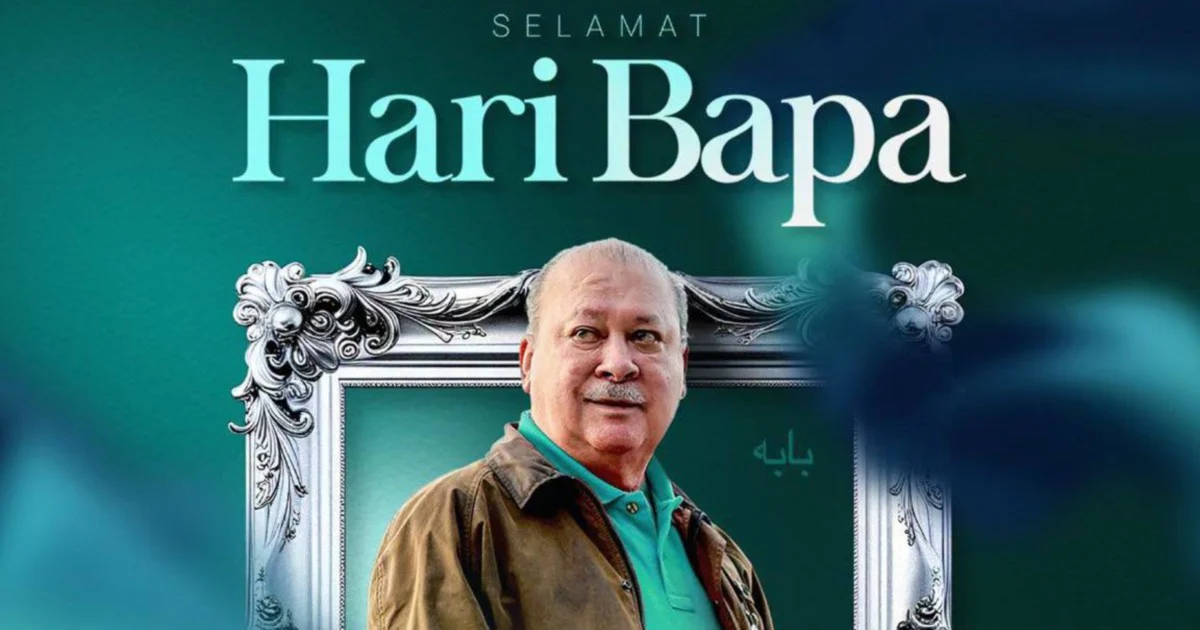
His Majesty Sultan Ibrahim, King of Malaysia, and Her Majesty Raja Zarith Sofiah, Queen of Malaysia, have conveyed Father's Day wishes to all fathers throughout the nation. The royal message reflects the institution's broader recognition of family values and the essential role paternal figures play in shaping Malaysian society.
Father's Day celebrations in Malaysia typically fall during the third Sunday of June, aligning with observances across much of the English-speaking world. The occasion provides both private families and national leaders an opportunity to publicly acknowledge and appreciate the contributions fathers make to their households and communities. The royal couple's participation in these annual greetings underscores the monarchy's symbolic commitment to traditional family structures and domestic harmony.
The timing of such messages carries particular significance in Malaysian context, where the institution of the monarchy functions as both a constitutional framework and a moral compass for the nation. When the King and Queen publicly recognize occasions like Father's Day, they effectively legitimize these observances within the broader national conversation, encouraging widespread participation across diverse ethnic and religious communities.
In recent years, Father's Day recognition has expanded beyond simple holiday acknowledgements to encompass broader discussions about paternal involvement in child development, work-life balance for working fathers, and the evolving definition of fatherhood in modern Malaysia. Urban professionals increasingly navigate demands between career advancement and family responsibilities, making such public affirmations from national leaders particularly meaningful to time-strapped fathers seeking validation of their dual commitments.
The royal gesture also reflects evolving social attitudes within Malaysia's traditional society. While the country maintains strong cultural emphasis on paternal authority and masculine responsibility, contemporary Father's Day messaging often incorporates softer themes of emotional availability, mentorship, and engaged parenting. The monarchy's annual participation in these observances helps bridge generational divides by honoring both conventional notions of fatherhood and emerging expectations for more emotionally connected paternal engagement.
For Malaysian families across the socioeconomic spectrum, Father's Day provides a structured occasion to express affection and appreciation toward male heads of households who might otherwise go unrecognized in daily routines dominated by work and logistical challenges. The occasion gains additional weight when endorsed by national institutions, as such recognition validates the emotional labor that fathers contribute beyond their traditional provider roles.
Within the broader Southeast Asian context, Malaysia's royal acknowledgement of Father's Day reflects a regional trend whereby national leadership increasingly utilizes cultural and family-oriented observances as vehicles for social messaging. Neighboring countries similarly employ Father's Day proclamations to reinforce stability narratives and emphasize the continuing relevance of traditional institutions in rapidly modernizing societies.
The Queen's joint participation in these greetings carries particular symbolic importance, as it emphasizes the monarchy's commitment to family units as joint endeavors rather than solely masculine domains. This approach aligns with contemporary Malaysian discourse surrounding shared parental responsibility and recognition that successful families depend upon meaningful contributions from all adult members.
From a public relations perspective, annual Father's Day greetings represent low-cost opportunities for the monarchy to demonstrate accessibility and engagement with citizens' personal celebrations. Such messages circulate widely through state media and social platforms, generating widespread goodwill without requiring elaborate state functions or significant resource allocation. The accessibility of these communications helps humanize the royal institution by showing that national leaders recognize and participate in the same domestic occasions that preoccupy ordinary Malaysian families.
The national observance also provides opportunity for commercial entities and media organizations to amplify paternal recognition through coordinated campaigns, special promotions, and feature journalism exploring contemporary fatherhood. When the monarchy lends official sanction to Father's Day through formal greetings, retailers, publications, and service providers reciprocate with expanded coverage and targeted programming, creating a nationwide cultural moment that extends far beyond the immediate royal message.
Looking forward, Malaysia's approach to Father's Day observances may evolve to encompass emerging family structures and changing gender dynamics within the country. Single fathers, stepfathers, and grandfathers increasingly represent significant portions of Malaysian family units, yet traditional Father's Day messaging often remains oriented toward conventional nuclear family models. Future royal greetings may increasingly reflect this diversity while maintaining the core recognition that fatherhood remains a central organizing principle for millions of Malaysian households regardless of specific family configuration.