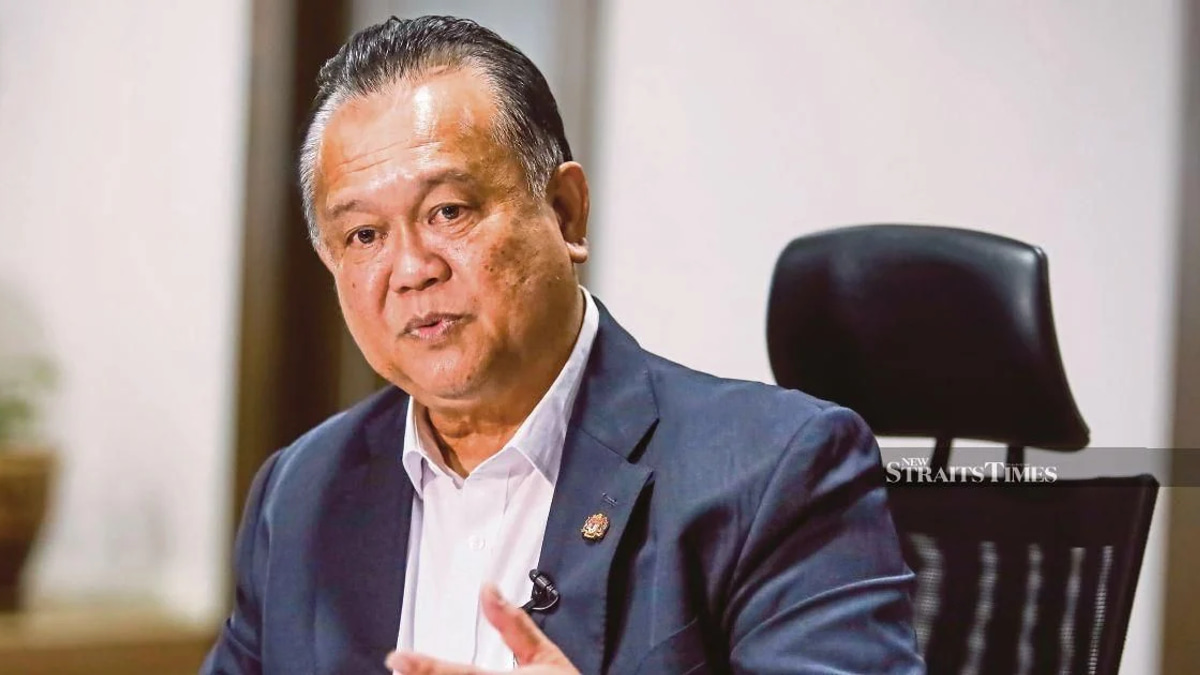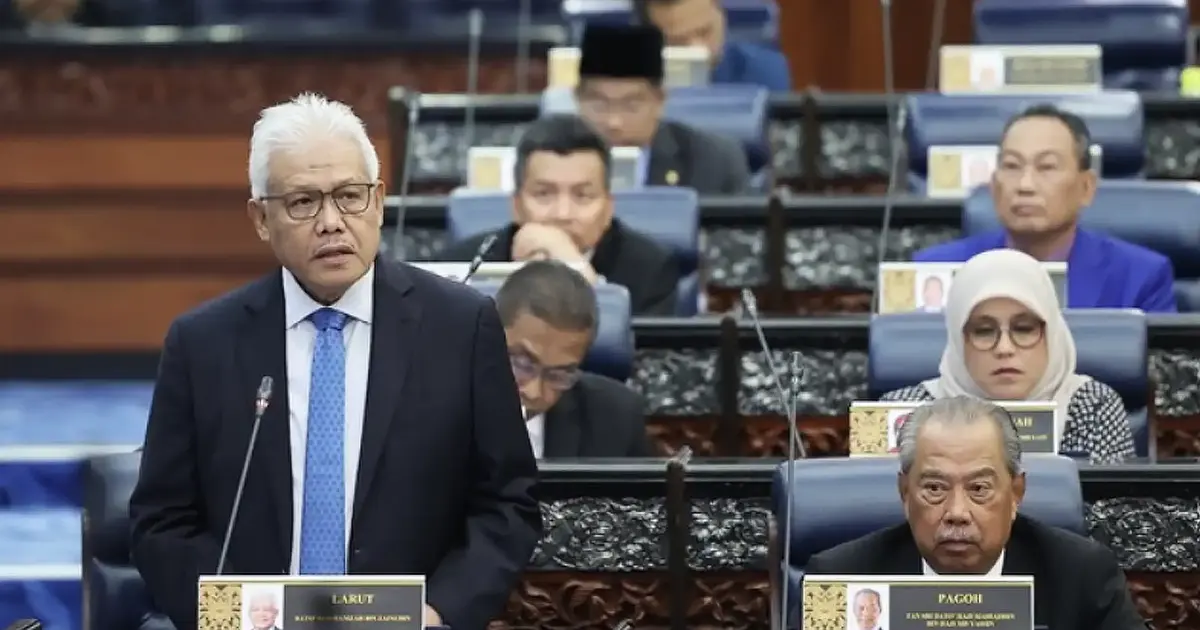
Dewan Rakyat Speaker Johari Abdul has disclosed that Muhyiddin Yassin, the former Prime Minister and current Member of Parliament, formally requested a change to his parliamentary seating position. The disclosure came as the speaker simultaneously confirmed receipt of official documentation verifying Hamzah Zainudin, the Member for Larut, as the newly designated opposition leader in the lower house of Parliament.
The request for a seat change by Muhyiddin represents a notable shift in parliamentary dynamics, particularly given his significant profile within the political landscape. As a three-time prime minister and a senior figure in Malaysian politics, any repositioning within the Dewan Rakyat carries symbolic weight beyond mere logistical arrangements. The precise motivation behind the request was not elaborated by Speaker Johari in his announcement, leaving room for speculation about whether the move reflects broader political realignments or personal preference.
Parliamentary seating arrangements in Malaysia, while seemingly procedural, frequently mirror political alignments and factional positions within the legislature. The speaker's confirmation that such a request was formally made suggests the matter was treated through official channels, underscoring its significance within parliamentary protocol. The handling of such requests typically falls within the speaker's purview as custodian of parliamentary procedures and order.
Simultaneously, Speaker Johari's receipt of written confirmation regarding Hamzah Zainudin's status as opposition leader provides formal recognition of the opposition's internal leadership structure. Hamzah, who represents the Larut constituency in Perak, assumes this leadership role amid a period of considerable political fluidity in Malaysian parliamentary politics. The formal documentation of this position ensures clarity regarding parliamentary procedures, particularly concerning opposition business, speaking rights, and priority in questioning the government.
The Larut MP's elevation to opposition leader status reflects broader shifts within the opposition coalition. As a senior and experienced parliamentarian, Hamzah brings significant credentials to the position, having navigated multiple political transitions and coalition arrangements. His appointment signals continuity in opposition leadership while potentially indicating strategic positioning for the next general election cycle.
These developments occur within the context of Malaysia's complex multiparty system, where coalitions frequently shift and parliamentary alignments remain fluid. The confirmation of opposition leadership through formal documentation represents an attempt to establish clear institutional structures amid such volatility. For Malaysian and Southeast Asian observers, these procedural clarifications matter because they establish the framework within which legislative scrutiny of government operates.
The speaker's dual announcements indicate active management of parliamentary administration. By confirming both the seat change request and the opposition leadership letter, Speaker Johari demonstrates engagement with the procedural foundations that enable Parliament to function effectively. Such administrative clarity becomes particularly important during periods of political transition or when coalition compositions change.
For observers tracking Malaysian politics, these developments hint at possible repositioning within parliamentary factions. Muhyiddin's request for a seat change might reflect his preference to sit in a particular location—perhaps aligned with specific colleagues or maintaining strategic positioning within his own coalition. The timing and nature of such requests can reveal underlying political calculations and relationships.
The formal recognition of Hamzah Zainudin's opposition leadership carries implications for parliamentary business in coming sessions. As opposition leader, he gains specified speaking rights, access to parliamentary business scheduling, and the authority to represent the opposition in key procedural matters. This recognition essentially formalizes what may have been informal or contested leadership arrangements.
For Malaysian legislators and parliamentary staff, these confirmations from Speaker Johari establish clear reference points for conduct and procedure. The documentation of such matters creates institutional memory and establishes precedents that guide future parliamentary administration. In a system where procedural clarity sometimes becomes contested, having speaker-confirmed records of such decisions provides essential institutional grounding.
These announcements also reflect the speaker's role as an arbiter and administrator rather than a partisan actor. By receiving and confirming such requests and designations, Speaker Johari fulfils the constitutional role of Parliament's officer, regardless of his own political background. The speaker's duties demand impartiality in managing parliamentary affairs, even when those duties involve former prime ministers and opposition designations.
Looking ahead, these developments may signal broader parliamentary dynamics that Malaysian observers should monitor. The combination of seat repositioning requests and formal opposition leadership confirmation suggests active movement within parliamentary factions. Such movements often precede more substantial political shifts, whether in coalition composition, policy direction, or preparations for electoral cycles.
Ultimately, while seemingly administrative in nature, Speaker Johari's confirmations matter because they establish the institutional clarity upon which Malaysia's parliamentary democracy depends. Clear procedures and formal recognition of roles ensure that despite political turbulence, the legislature maintains structural integrity and continues to function as an effective forum for debate and government accountability.