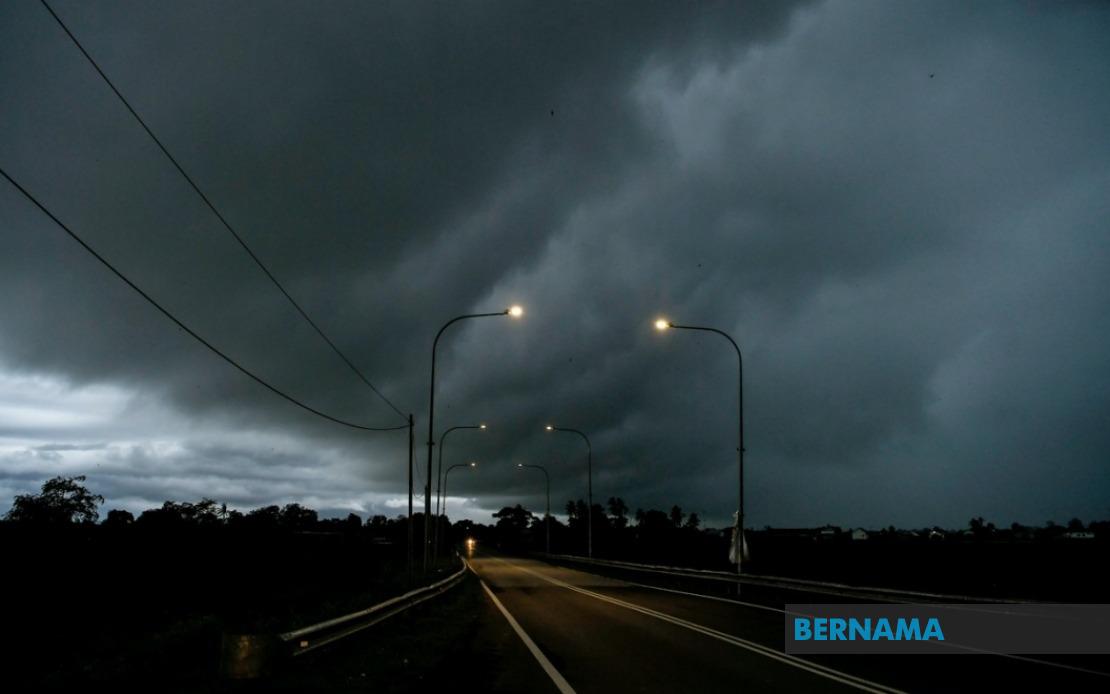
The Malaysian Meteorological Department (MetMalaysia) has activated a widespread weather alert spanning multiple regions across the nation, cautioning residents of intense thunderstorms, torrential rainfall and gusty wind conditions persisting through to 1 am tomorrow. The alert encompasses substantial portions of Peninsular Malaysia alongside significant areas in East Malaysia, reflecting the scale of the atmospheric disturbance now affecting the region.
On the peninsula, MetMalaysia has flagged particular concern for northern states where vulnerable zones include three districts in Kedah—Padang Terap, Sik and Baling—all prone to flash flooding during heavy downpours. The alert extends into Perak's interior regions, specifically Hulu Perak, where mountainous terrain can amplify rainfall impact. These northern districts represent key agricultural and residential zones where sudden weather deterioration poses operational and safety risks.
The northeastern state of Kelantan faces alerts covering five separate districts: Tumpat, Pasir Mas, Jeli, Tanah Merah and Kuala Krai. This comprehensive coverage suggests MetMalaysia expects the storm system to move through the east coast corridor, affecting communities that experienced significant flood events during previous monsoon seasons. Pahang's warning zone concentrates on Jerantut, a district with historical susceptibility to waterlogging.
East Malaysia bears the heaviest alert footprint, with Sarawak accounting for the majority of warnings. The covered areas represent a mix of urban and rural communities: Kuching and its surrounding divisions (Serian and Samarahan), interior regions (Sri Aman, Betong, Sarikei, Sibu and Kapit), and coastal zones (Bintulu, Miri and Limbang). This geographic spread indicates the storm system affects both lowland population centres and sparsely settled interior districts where infrastructure challenges may complicate emergency response.
In Sabah, the warning covers Interior Division's Kuala Penyu, West Coast Division's Putatan and Ranau, and Sandakan Division's Telupid and Beluran. These zones encompass both the plateau regions and coastal lowlands vulnerable to intense convective activity. The inclusion of Labuan as a separate alert zone underscores the warning's territorial breadth, covering the federal territory whose maritime and island communities face distinct weather hazards.
Thunderstorm warnings of this magnitude typically indicate the presence of a strong convective system, possibly triggered by daytime heating, mountainous terrain forcing air upward, or a passing weather front. The simultaneous alert across both Peninsular and East Malaysia suggests a organised weather pattern rather than scattered afternoon thunderstorms. Such systems can produce flash flooding, localised wind damage, and occasional hail—particularly problematic in areas with inadequate drainage infrastructure or in low-lying districts.
The timing through 1 am tomorrow is significant, as evening and night-time thunderstorms often produce heavier rainfall than their daytime counterparts. This extended duration means residents should remain vigilant through the overnight hours, a period when visibility limitations and darkness compound emergency response difficulties. The alert also carries implications for transportation, with reduced visibility potentially affecting highway and air travel during peak evening hours.
For residents across these regions, MetMalaysia's warning signals the need for heightened preparedness. Those living in flood-prone areas should monitor water levels and maintain clear drainage pathways. Outdoor events should proceed with caution or postponement consideration. Motorists should exercise additional care, particularly on routes known for water accumulation. Farmers and agricultural operations in Kedah and other rural zones should secure equipment and livestock.
The breadth and detail of MetMalaysia's alert reflects improvements in weather forecasting technology and the department's commitment to providing granular, district-level information. Rather than issuing blanket state-level warnings, the specification of individual districts allows targeted public communication and emergency planning. This precision helps authorities and communities distinguish between areas facing immediate risk and those with lesser exposure.
Regional context matters here: Malaysia's equatorial and tropical climate naturally produces thunderstorms, yet their intensity, timing and location remain challenging to predict with absolute accuracy. The current alert demonstrates forecasters' confidence in the storm system's trajectory and strength. Residents should treat such official warnings seriously, as the meteorological department's track record in predicting severe weather has improved substantially in recent years, making compliance with safety recommendations prudent.


%22%2F%3E%3C%2Fpattern%3E%3C%2Fdefs%3E%3Crect%20width%3D%22100%25%22%20height%3D%22100%25%22%20fill%3D%22url(%23ph5pxvdg)%22%2F%3E%3Crect%20width%3D%22100%25%22%20height%3D%22100%25%22%20fill%3D%22url(%23ph5pxvdp)%22%2F%3E%3Ctext%20x%3D%2250%25%22%20y%3D%2250%25%22%20text-anchor%3D%22middle%22%20dominant-baseline%3D%22central%22%20fill%3D%22rgba(255%2C255%2C255%2C0.95)%22%20font-family%3D%22Georgia%2C%20'Times%20New%20Roman'%2C%20serif%22%20font-weight%3D%22700%22%20font-size%3D%22320%22%20letter-spacing%3D%22-0.02em%22%3ETwo%3C%2Ftext%3E%3C%2Fsvg%3E)