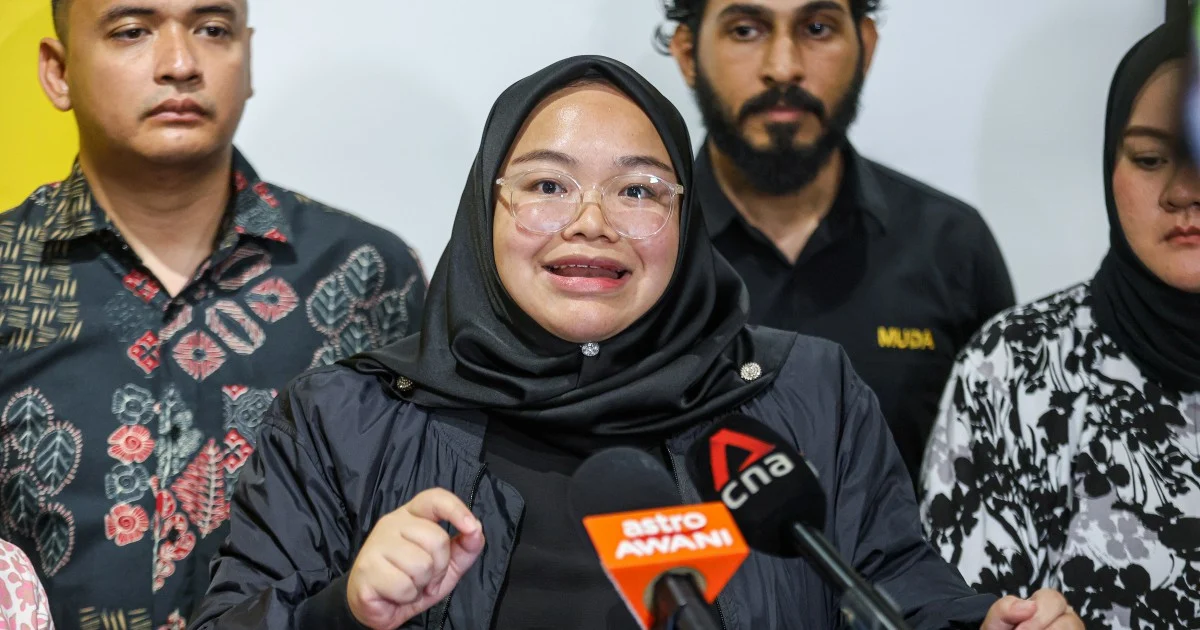
Muda has stressed the importance of maintaining positive relations with Bersatu in Johor, yet the two parties have not progressed to formalising any electoral cooperation deal for the upcoming state election. The younger political movement, which has gained ground as an independent force within Malaysian politics, appears content to preserve the goodwill established with the Muhyiddin Yassin-led faction while leaving the door open for future engagement on contest arrangements.
The distinction between cordial relations and concrete electoral pacts carries particular weight in Johor's political landscape. As Malaysia's second-largest state by population and a traditional powerhouse for national political movements, Johor remains a critical battleground where seat-sharing arrangements can materially alter outcomes. Muda's careful positioning reflects the party's broader strategy of maintaining flexibility across multiple alliances rather than locking into rigid coalition commitments that might constrain its growth trajectory.
Bersatu, which has experienced considerable upheaval since its formation as Mahathir Mohamad's breakaway vehicle from Umno, continues to navigate shifting political alignments. The party's presence in Johor, like its standing across several other states, remains contingent upon coalition negotiations and electoral calculations made closer to polling day. Johor itself has traditionally been an Umno stronghold, making any non-Umno party's positioning in the state inherently complex and fluid.
Muda's emergence as a distinct political voice has challenged Malaysia's binary coalition structure. The party, founded on a platform appealing to younger voters and urban constituencies, has built support without necessarily committing to the binary choice between Pakatan Harapan and the Perikatan Nasional framework that has dominated recent elections. This independence allows the party to negotiate from multiple angles and respond to local conditions rather than being bound by national-level bloc agreements.
The absence of a formal cooperation agreement with Bersatu should not be interpreted as friction between the parties. Rather, it reflects the pragmatic approach both organisations are likely adopting as they monitor developments in Johor's political environment. National-level calculations, state-specific dynamics, and the outcomes of other electoral contests all influence when parties finally commit to specific seat-sharing arrangements. This timing is rarely accidental and frequently involves strategic waiting to gauge opponent positioning and voter sentiment.
Johor's electoral trajectory has undergone significant shifts in recent years. The 2022 state election saw Umno-led Barisan Nasional retain control, though with a reduced majority and altered composition of its coalition partners. For parties like Muda and Bersatu aiming to make inroads, the next contest presents an opportunity to assess where gains might be achievable and which constituencies represent realistic targets. The state's diverse electorate, spanning urban centres, industrial zones, and rural constituencies, creates multiple pathways for ambitious parties to build support.
Muda's approach in Johor mirrors its broader national strategy of selective engagement. Rather than blanket cooperation agreements that dictate contest arrangements across all constituencies, the party has favoured negotiating individual seats or clusters where its candidates possess competitive advantages. This granular approach requires maintaining productive relationships with multiple potential partners simultaneously, which explains why the party emphasises its good standing with Bersatu while avoiding premature commitment.
Bersatu's position warrants careful consideration as well. The party's fluctuating fortunes within the Perikatan Nasional coalition, combined with its sometimes complicated relationship with Umno in various states, means that formal pacts signed too early risk becoming obsolete or counterproductive if broader political alignments shift. Keeping options open with parties like Muda provides insurance against being locked into subordinate coalition arrangements that might disadvantage Bersatu's ability to contest competitive seats.
For Malaysian voters and observers of Johor politics, this situation underscores the increasingly fragmented nature of electoral competition. The days when two clear blocs entirely determined outcomes have given way to a more complex landscape where multiple parties negotiate, cooperate selectively, and sometimes compete head-to-head even within broader sympathetic relationships. This fragmentation creates both opportunities for newer parties like Muda to gain representation and potential challenges for coalition coherence.
The timing of any potential Muda-Bersatu cooperation agreement will likely coincide with formal election announcements and the subsequent period when coalition negotiations accelerate. Until then, both parties benefit from the current arrangement of friendly relations without binding commitments. Such flexibility permits each to maximise its leverage in forthcoming negotiations and respond to evolving political circumstances that may yet reshape the competition in Johor substantially.