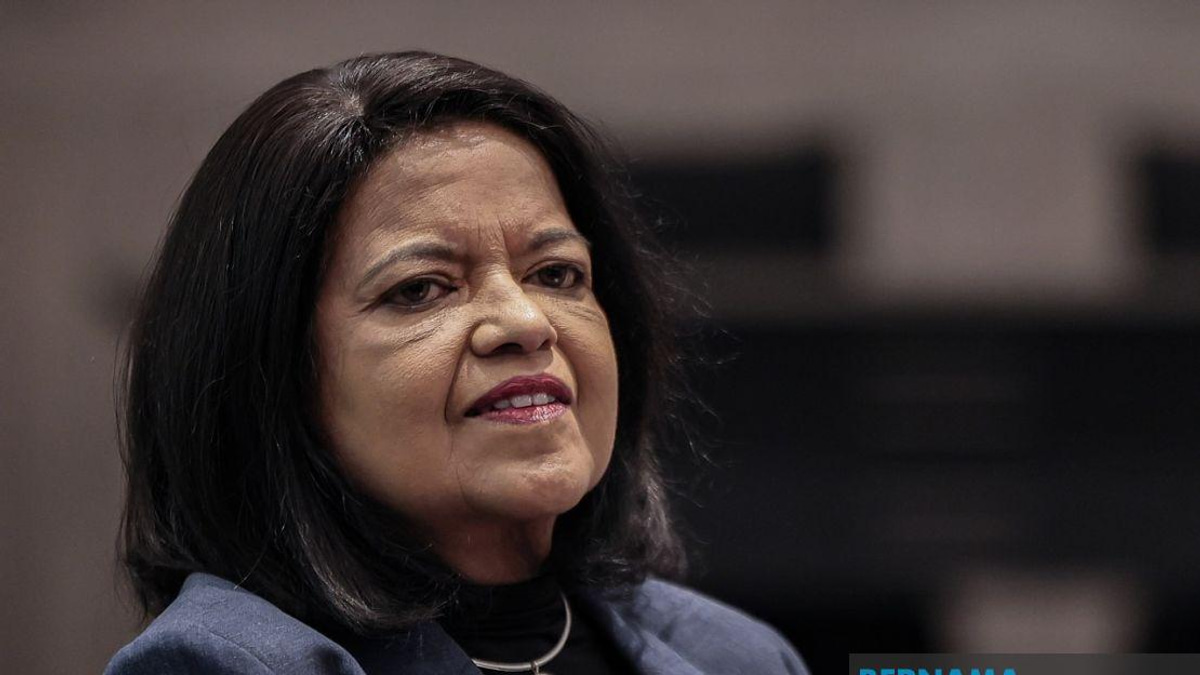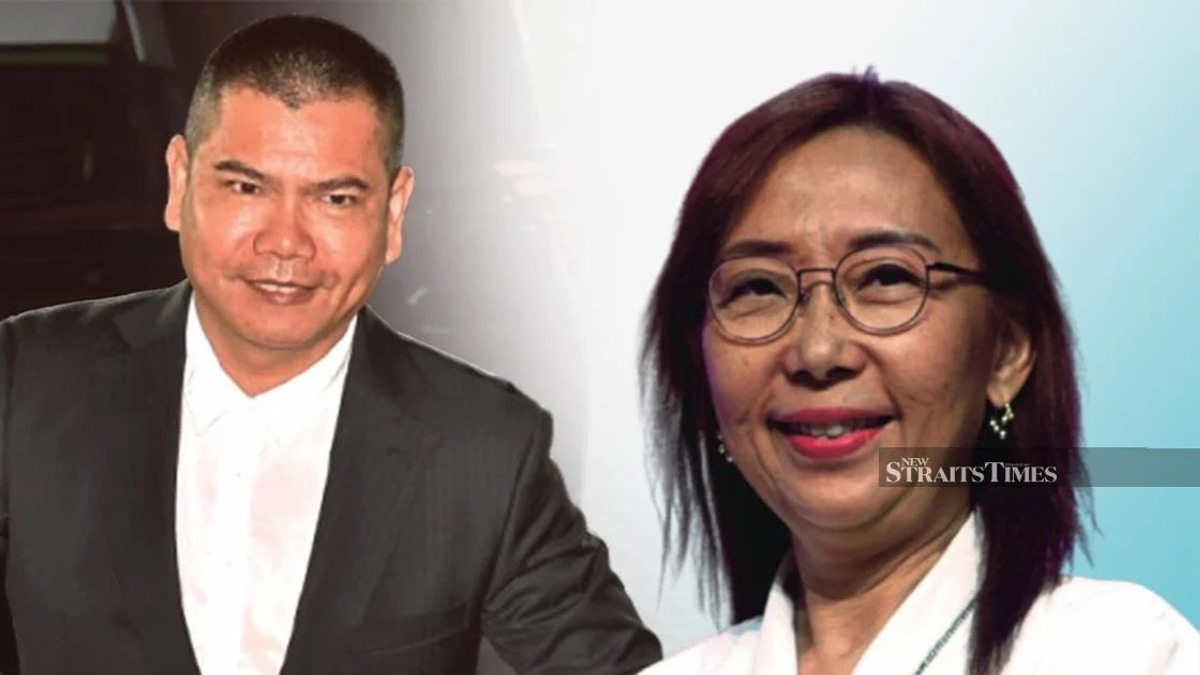
The Malaysian United Democratic Alliance (MUDA) has unveiled Rashifa Aljunied, a 26-year-old currently heading the Puteri Wangsa service centre, as the party's representative for the Puteri Wangsa state seat in the forthcoming Johor election. MUDA president Amira Aisya Abdul Aziz made the announcement at a press conference in Johor Bahru, signalling a transition in the party's approach to the contest following its surprise success in the 2022 state polls.
The decision to nominate Rashifa represents a strategic shift for MUDA, which has been building its presence in Johor despite being a relatively nascent political force in Malaysian politics. The party's leadership, according to Amira Aisya, conducted comprehensive internal deliberations before settling on Rashifa as the candidate. Her appointment reflects MUDA's commitment to sustaining its foothold in the southern state, where the party made its debut electoral breakthrough just two years ago.
Amira Aisya, who secured the Puteri Wangsa seat in 2022 with a commanding majority of 7,114 votes in a six-way contest, has opted to vacate the state seat to pursue a federal parliamentary position in the impending 16th General Election. This strategic repositioning highlights the evolving ambitions within MUDA's senior ranks, as the party attempts to consolidate gains at both state and national levels. Her decision to step aside rather than defend the seat nonetheless underscores confidence in the party's ability to retain the constituency with fresh leadership.
Rashifa's nomination carries particular significance for MUDA's continued relevance in Johor politics. As the sitting service centre head for Puteri Wangsa, she possesses on-the-ground experience and community engagement that party officials evidently valued during their selection process. Her relative youth aligns with MUDA's broader positioning as a reform-minded party seeking to appeal to younger voters frustrated with Malaysia's established political establishment.
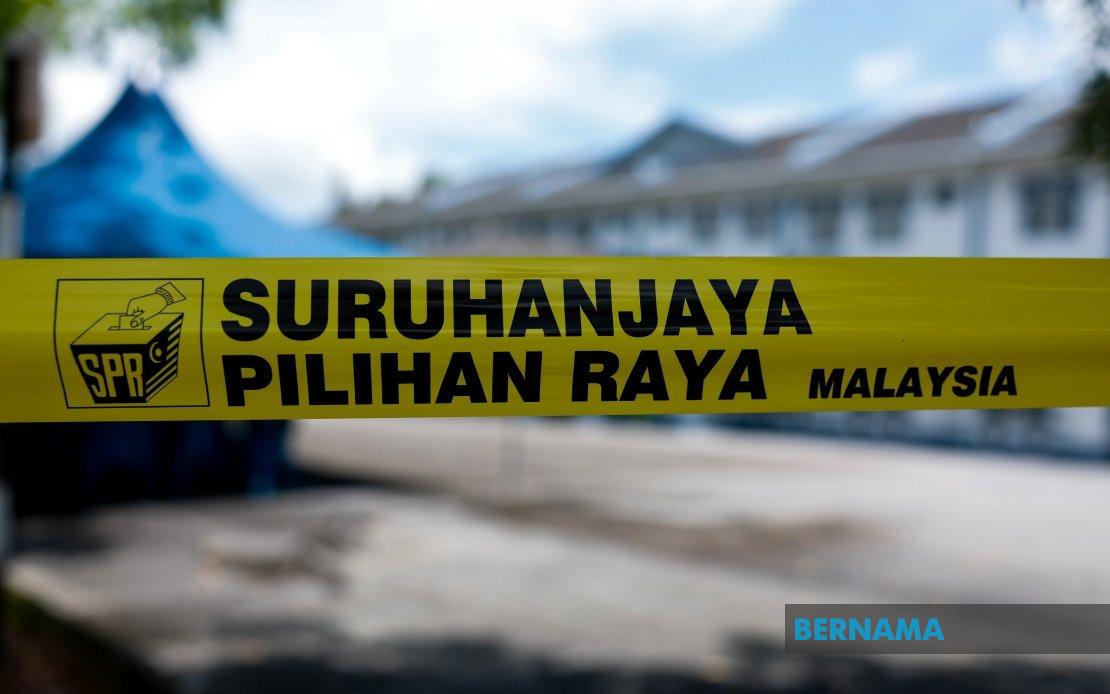
The timing of MUDA's announcement comes as political activity in Johor intensifies ahead of the state election officially set for July 11. The Election Commission has designated June 27 as nomination day, providing candidates across all parties with a defined window to lodge their nominations, while early voting is scheduled for July 7. These procedural milestones shape the campaign calendar for all contesting parties, including MUDA, which must finalise and announce its remaining state candidates in the coming weeks.
MUDA's performance in the 2022 Johor election deserves closer examination for understanding the party's strategic positioning. Puteri Wangsa emerged as the sole seat captured by MUDA in that contest, making it a symbolic bastion for the party's political presence in Johor. The margin of victory—over 7,000 votes—suggests Amira Aisya's appeal transcended typical protest voting patterns and reflected genuine resonance with local constituents seeking alternatives to Barisan Nasional and Pakatan Harapan establishments that have dominated Johor politics.
Retaining this seat becomes crucial for MUDA's narrative heading into the fresh state election. The party cannot afford to lose ground in one of its few strongholds, as such a setback would undermine claims of growing political viability. Conversely, defending or expanding from this single seat would reinforce MUDA's positioning as an emerging force capable of competing seriously in major state contests. Rashifa's selection must therefore be viewed partly as a confidence play, with party leadership betting that local voter sentiment remains sufficiently favourable to sustain MUDA representation.
The broader implications for Malaysian electoral politics are intriguing. MUDA's trajectory in Johor reflects shifting voter attitudes toward political alternatives, particularly among demographics dissatisfied with traditional power structures. The party's ability to seed candidates like Rashifa into vacated seats without surrendering electoral territory suggests organisational confidence and constituent acceptance that extends beyond Amira Aisya's personal popularity.
MUDA has signalled that additional candidate announcements will follow imminently in Kuala Lumpur, indicating the party is pursuing a more expansive contest strategy in Johor than its 2022 efforts. Whether this translates into substantially increased seat contests or refined targeting remains unclear, but the pattern suggests MUDA intends to elevate its profile and demonstrate serious intent to Johor voters. The party leadership evidently believes the political climate and evolving state dynamics offer opportunities for incremental gains beyond the Puteri Wangsa enclave.
For Rashifa personally, the nomination represents both opportunity and considerable pressure. Succeeding Amira Aisya in a seat where the incumbent enjoyed substantial personal support requires navigating expectations while establishing distinct political identity. Her youth and service centre background position her as an accessible, community-focused candidate, but whether this translates into electoral success remains dependent on campaign execution and broader political currents in the state.
The upcoming Johor election will ultimately test whether MUDA's 2022 breakthrough was a sustainable platform for further growth or a one-off expression of anti-establishment sentiment. Rashifa's candidacy and performance in Puteri Wangsa will provide instructive data on this question, offering insights into MUDA's medium-term prospects in one of Malaysia's largest and most politically significant states.