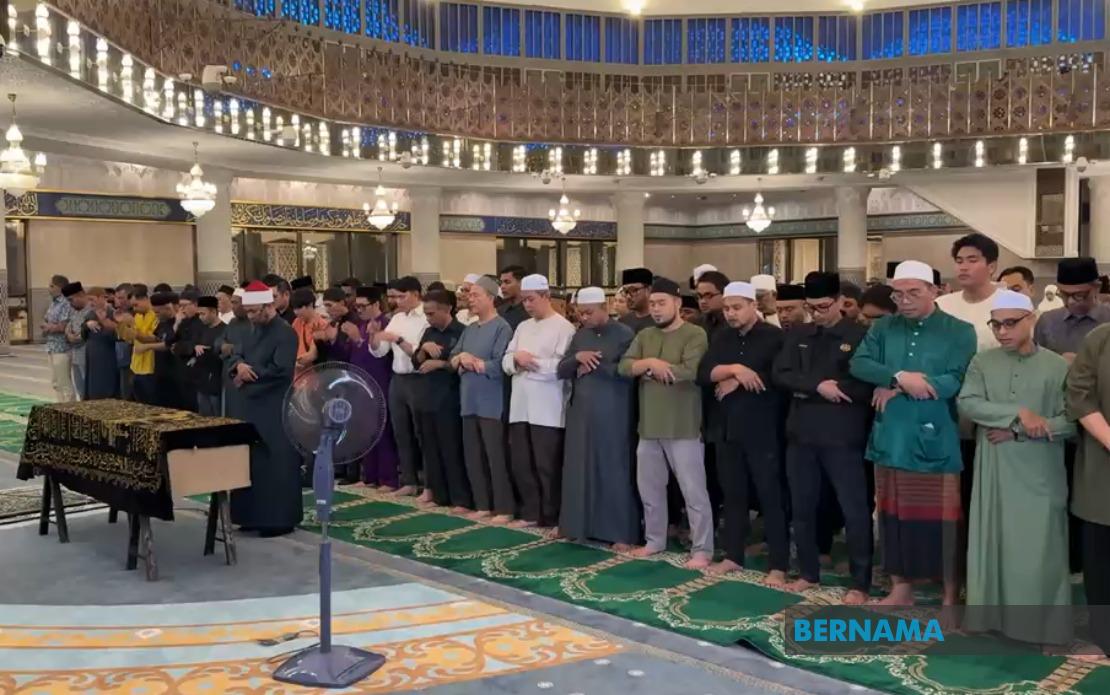
The remains of Datuk Kamil Misuari, husband of Women, Family and Community Development Minister Datuk Seri Nancy Shukri, received final rites at the National Mosque on the evening of June 18 before being airlifted to Sarawak for interment. The ceremonial proceedings reflected the high standing of the bereaved family within Malaysia's political establishment, with dignitaries and close associates gathering to pay their respects during the solemn occasion.
According to the minister's office, the preparation of Datuk Kamil's remains commenced at Ampang Hospital at 9 pm, following customary Islamic bathing procedures. The body was then conveyed to the National Mosque at 10 pm, creating an opportunity for family members and associates to engage in final farewells prior to the formal funeral service. The timing of these arrangements reflected careful coordination between hospital authorities and the mosque's management to facilitate the dignified progression of events.
The funeral prayer service was scheduled for 10.50 pm at the mosque, one of the nation's most significant Islamic institutions. Following the completion of prayers, the remains were to be transported immediately to Kuala Lumpur International Airport at 11.20 pm, ensuring a seamless transition to the next phase of the farewell proceedings. This arrangement underscored the logistical complexity often involved in managing state-level funerals within Malaysia's federal capital.
Education Minister Fadhlina Sidek was among the notable figures present at Ampang Hospital's Forensic Department during the preparation period, signifying the broader political community's engagement with the family during this difficult time. Such attendance by fellow cabinet members demonstrates the customary practice within Malaysia's government circles of extending solidarity to ministerial colleagues facing personal loss. The presence of high-ranking officials also reflected respect for Datuk Seri Nancy Shukri's position within the federal administration.
Datuk Kamil had been receiving treatment at Ampang Hospital since the previous Friday, a span of several days during which his health status gradually declined. The deterioration accelerated on the afternoon of June 18, ultimately culminating in his passing. Medical circumstances surrounding his hospitalisation and subsequent passing were not disclosed in detail, maintaining the family's privacy during the grieving period. Such discretion is customary in Malaysian ministerial circles unless the family chooses to release additional information.
Family members from Lahad Datu in Sabah had travelled to the capital to participate in the funeral observances, reflecting the geographically dispersed nature of extended family networks in Malaysia. The presence of relatives from East Malaysia underscored the significance of honouring the deceased through physical attendance at key rituals, a deeply rooted cultural practice within Malaysian society. This gathering of family across state boundaries also demonstrated the close bonds maintained within the household despite geographical separation.
The decision to conduct funeral prayers at the National Mosque, rather than at a neighbourhood mosque, carried particular symbolic weight given Datuk Seri Nancy Shukri's ministerial rank and the family's standing within the national establishment. The National Mosque serves as an appropriate venue for high-level state funerals and reflects the recognition of the deceased's family's prominence. This choice of location ensured accessibility for both family associates and government colleagues wishing to pay respects.
The subsequent flight to Sarawak represented the final journey of the deceased to his home state, where customary burial practices would be observed according to Islamic tradition and family preference. Sarawak's status as Datuk Kamil's place of origin suggests strong ties to the state, which would have informed the family's decision regarding the ultimate place of rest. The arrangement of air transport facilitated the timely completion of funeral rites while enabling family members to gather for the final interment ceremony.
For Datuk Seri Nancy Shukri, the loss of her spouse represented a significant personal tragedy occurring during her tenure as a senior cabinet member responsible for women, family, and community development matters. The nature of her ministerial portfolio makes such personal circumstances particularly poignant, as it touches upon the family structures and support systems that form the core of her policy remit. The manner in which the family has navigated the funeral arrangements, with public grace and adherence to religious protocols, aligns with expectations placed upon public figures during moments of grief.
The sequence of events on June 18 illustrates the intersection of personal tragedy and official protocol that characterises the lives of high-ranking government officials in Malaysia. While such circumstances demand careful attention to ceremonial obligations and ministerial dignity, they ultimately reflect the universal human experience of loss and mourning. The coordination required across hospital, mosque, and airport authorities demonstrated the institutional support systems available to government families during such critical transitions, ensuring that funeral observances could proceed with appropriate solemnity and efficiency.