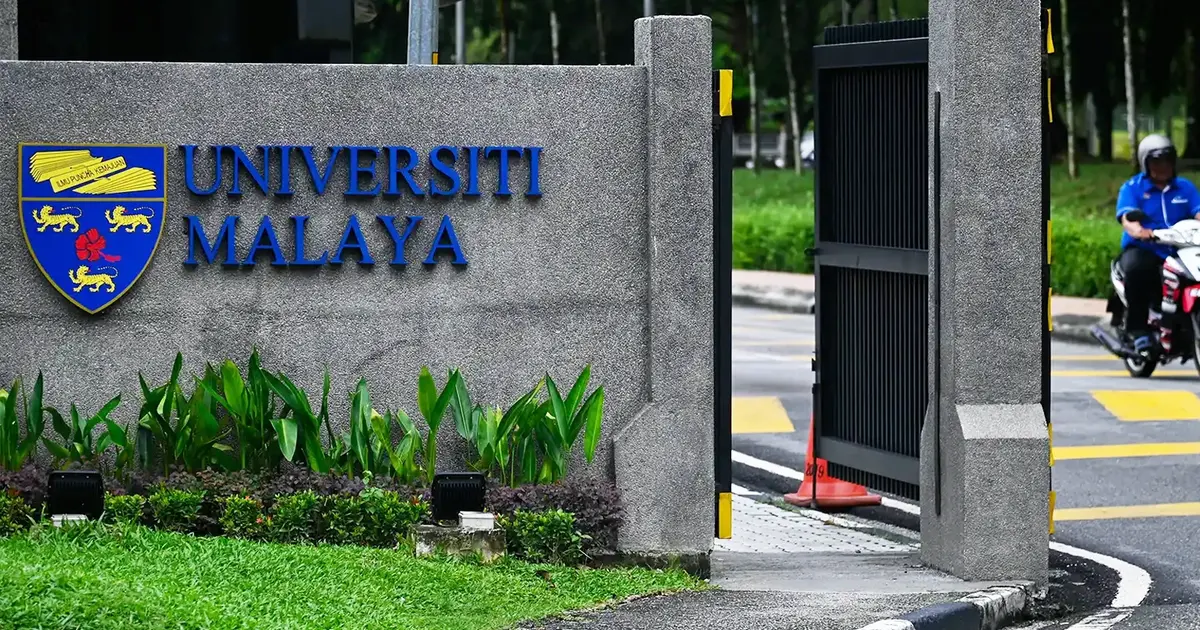
Mounting pressure is building on the University of Malaya to deliver concrete answers regarding an ongoing sexual harassment investigation into one of its academics, with a prominent student advocacy organisation accusing the institution of a lack of transparency and accountability. NewGen UM, a vocal student action group, has stepped up calls for the university to release its findings, pointing out that nearly half a year has passed since university leadership indicated the probe had reached an advanced stage.
The investigation was reported to be in its final phases when senior university officials made statements in September of the previous year, according to accounts from the student group. However, no formal announcement regarding the investigation's conclusion or any substantive details about its outcomes has materialised in the intervening months, creating frustration among the student body and raising questions about the institution's commitment to addressing misconduct within its ranks.
This situation highlights a broader pattern of concern regarding how Malaysian universities handle sensitive allegations of sexual harassment and abuse within their academic communities. The lack of transparency surrounding such investigations can undermine institutional credibility and may discourage other potential complainants from coming forward with their own allegations, knowing that the process may drag on indefinitely without public resolution or accountability measures.
NewGen UM's intervention reflects growing expectations among Malaysian students that their educational institutions should operate with greater openness when addressing serious disciplinary matters. The group's pressure campaign demonstrates how student activism has evolved to hold universities accountable not merely for academic standards but for maintaining ethical institutional practices and protecting the welfare of their communities.
For the University of Malaya, the delay in announcing findings presents a reputational challenge at a time when Malaysian higher education institutions are increasingly scrutinised by their stakeholders regarding governance standards and ethical conduct. The university faces mounting pressure to clarify what has caused the investigation to extend well beyond its anticipated completion date and to explain any procedural complexities that may have contributed to the delays.
The broader context for this dispute involves ongoing national conversations about workplace harassment and institutional accountability in Malaysia. Universities, as employers and educational authorities, are expected to demonstrate that they take such allegations seriously through timely investigations and transparent communication with their communities. When investigation outcomes remain unannounced for extended periods, it can be interpreted as institutional indifference or avoidance of difficult accountability issues.
NewGen UM's demands are consistent with international best practices regarding misconduct investigations in academic settings, where timely completion and transparent communication about outcomes are considered essential components of institutional integrity. Most reputable universities worldwide publish clear timelines for investigation processes and commit to communicating conclusions to relevant parties within specified periods, thereby demonstrating their commitment to addressing wrongdoing.
The student group's activism also reflects a generational shift in how Malaysian students view their rights and responsibilities as members of university communities. Rather than accepting institutional decisions without question, students increasingly expect to participate in conversations about governance and accountability, particularly when matters directly affect campus safety and institutional ethics.
For the University of Malaya administration, the path forward likely involves demonstrating renewed commitment to the investigation process by providing substantive updates to the student community, explaining any legitimate obstacles that have arisen, and committing to a specific timeframe for releasing findings. Such transparency could help restore confidence in the institution's ability to address serious misconduct allegations effectively.
The investigation's extended timeline also raises questions about the adequacy of internal procedures and resources allocated to such matters. Universities may need to reassess their investigative capacity and procedural frameworks to ensure that serious allegations receive appropriate attention without unnecessary delays that undermine the integrity of the process and the credibility of the institution.
NewGen UM's continued pressure on this issue signals that Malaysian students view sexual harassment investigations as a matter of urgent institutional priority rather than an administrative formality. The group's persistence suggests that the student voice on campus governance matters is becoming increasingly difficult for university leadership to ignore or marginalise.
As the University of Malaya considers its response, the institution faces an opportunity to demonstrate that it takes allegations of sexual harassment seriously and is willing to engage transparently with its student community about how such sensitive matters are handled. How the university navigates this challenge will likely influence both its institutional reputation and student confidence in the fairness and effectiveness of its disciplinary processes going forward.