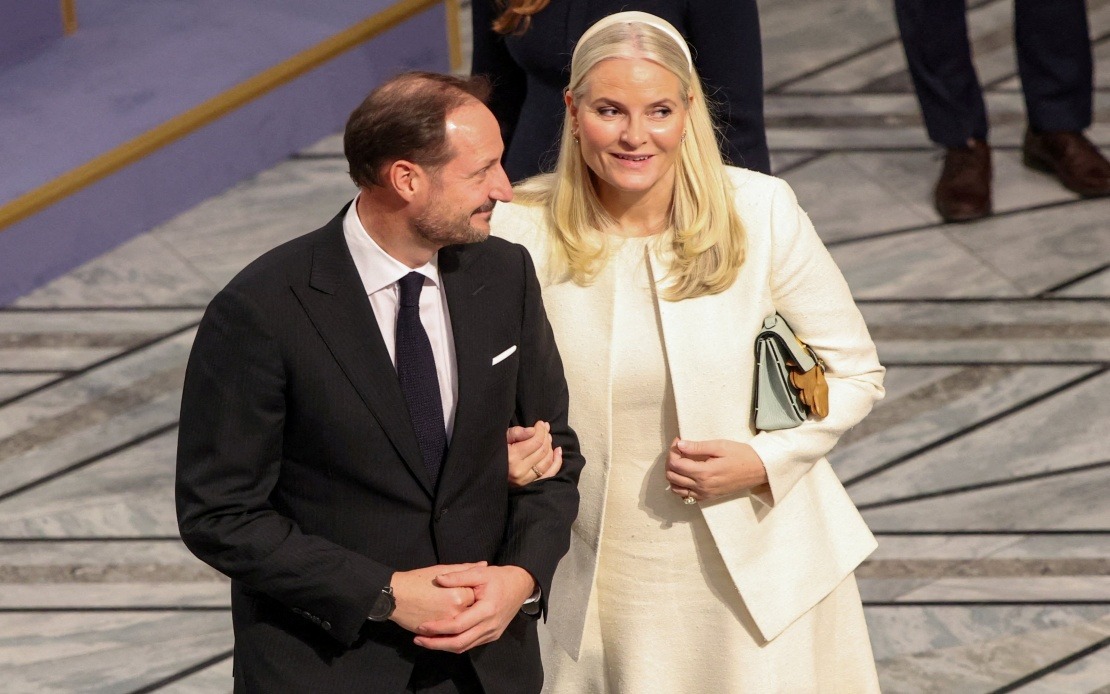
Crown Princess Mette-Marit of Norway has undergone a successful lung transplant, the Royal Palace announced this week, marking a significant medical milestone for the 52-year-old consort of Crown Prince Haakon. The operation represents a crucial intervention for the senior royal, who has been battling pulmonary fibrosis, a degenerative and irreversible lung condition that progressively scars tissue and severely restricts breathing capacity.
Pulmonary fibrosis presents one of the medical world's most formidable challenges, as it gradually reduces lung function without curative pharmaceutical treatments. For individuals afflicted with advanced stages of this disease, a lung transplant becomes the only realistic pathway to extended survival and improved quality of life. Crown Princess Mette-Marit's condition had progressed to the point where she required constant oxygen supplementation during her everyday activities, illustrating the severity of her respiratory decline and the urgent medical necessity for transplantation.
The Royal Palace in Oslo formally announced on June 5 that the Crown Princess had been enrolled on the transplant waiting list, a decision that would have followed extensive medical evaluation to confirm her suitability as a candidate. Eligibility criteria for lung transplantation are rigorous, with prospective recipients typically facing a life expectancy of approximately one year without the procedure. This stringent threshold reflects both the scarcity of donor organs and the imperative to allocate available transplants to those in most critical need.
What emerged as particularly noteworthy following the public disclosure of the Crown Princess's medical situation was a dramatic surge in organ donor registrations across Norway. The Organ Donation Foundation reported a marked increase in citizens voluntarily pledging their organs, suggesting that the high-profile nature of the case resonated with the Norwegian public and prompted reflection on the importance of donation. This phenomenon illustrates how transparency regarding medical challenges within prominent families can inadvertently generate broader societal benefits through heightened awareness and increased participation in organ donation programmes.
The transplant operation itself represents the culmination of advanced surgical techniques and coordinated medical expertise. Modern lung transplantation procedures, whilst routine in leading medical centres, remain technically demanding interventions requiring specialised thoracic surgery teams, sophisticated anaesthetic support, and comprehensive post-operative care protocols. The successful outcome suggests that the Crown Princess received treatment at a world-class medical facility capable of managing the complexities inherent in such procedures.
For Malaysia and the broader Southeast Asian region, the Crown Princess's case underscores the persistent global shortage of donor organs and the critical importance of robust organ donation infrastructure. Many countries in Southeast Asia face significant challenges in establishing effective organ procurement and transplantation networks, with cultural, religious, and regulatory factors often impeding donation rates. The Norwegian experience demonstrates how transparent communication and public trust in healthcare systems can contribute to higher donation participation.
The recovery phase following lung transplantation typically extends over several months, requiring intensive immunosuppressive therapy to prevent organ rejection whilst maintaining sufficient immune function to combat infections. Crown Princess Mette-Marit will require lifelong medical management, including regular monitoring, medication adherence, and lifestyle modifications. Her successful progression through the immediate post-operative period is encouraging, though the months ahead will prove critical in establishing stable graft function.
From a constitutional perspective, the Crown Princess's medical situation and recovery have implications for Norwegian succession planning and royal duties. As the wife of the heir to the throne, her health trajectory affects not only personal wellbeing but also institutional continuity. The successful transplant removes an immediate health crisis, allowing the royal household to project greater stability during a period when questions about the future of the Norwegian monarchy might otherwise dominate public discourse.
The case also highlights evolving attitudes towards medical transparency within European royal families. Unlike historical precedent when royal health matters remained largely confidential, modern monarchies increasingly acknowledge health challenges openly, recognising that public knowledge and understanding foster greater social cohesion and institutional trust. Norway's approach reflects contemporary governance values emphasising transparency and the recognition that senior public figures navigating serious illness speak to universal human experiences.
Looking forward, the Crown Princess's transplant journey will likely continue attracting public attention, particularly regarding recovery milestones and resumed public engagements. Her return to royal duties, when medically appropriate, will symbolise both personal resilience and the transformative potential of modern transplantation medicine. For other patients with pulmonary fibrosis contemplating their own treatment options, her successful outcome may provide encouragement whilst highlighting the life-saving possibilities that organ transplantation offers to those facing otherwise terminal diagnoses.