Tensions within Perikatan Nasional reached new heights yesterday as PAS senior figures directly contested Bersatu's ability to use the coalition's distinctive logo during the impending state elections in Johor and Negri Sembilan. The challenge from the Islamic party represents a significant escalation in what has become an increasingly visible power struggle at the heart of the opposition alliance, threatening the coalition's ability to present a united front to voters.
The dispute centres on a fundamental question of governance within the PN structure: who holds legitimate authority to authorise the deployment of coalition branding materials. PAS leaders have made clear their position that only the coalition chairman—a role currently held by key leadership within the alliance—possesses the constitutional and procedural authority to green-light such usage. This stance represents a direct rebuff to any unilateral action by Bersatu, the party that has been spearheading recent electoral preparation efforts.
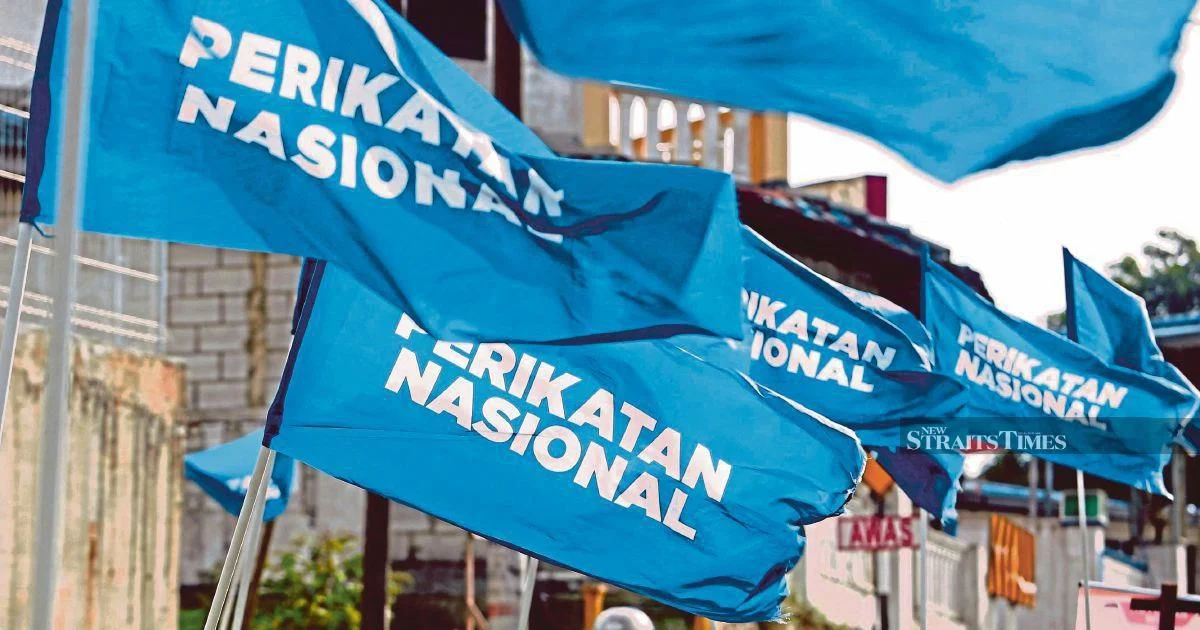
For Malaysian observers of coalition politics, the symbolism of this particular disagreement carries considerable weight. The PN logo represents more than mere campaign aesthetics; it embodies the formal legitimacy of the alliance itself and signals to voters the degree to which member parties operate in genuine partnership. When individual parties begin asserting independent rights to coalition imagery, it inevitably sends mixed signals about the coherence and durability of the partnership arrangement. These perceptions matter enormously in electoral contexts, where voter confidence in party stability directly influences ballot decisions.
The friction also illuminates broader structural vulnerabilities within Perikatan Nasional that have been mounting over successive months. Unlike more institutionalised coalition arrangements, where protocols governing shared resources and branding are explicitly codified and rigorously enforced, the PN appears to operate with looser structural constraints. This ambiguity has created space for exactly the kind of interpretive disputes now playing out between Bersatu and PAS, with each party claiming legitimate grounds for its position.
Bersatu's apparent move to utilise PN branding without explicit chairman approval suggests either a genuine divergence in understanding about procedural authority, or a deliberate test of how firmly PAS and other coalition partners will defend their interests. Either interpretation presents significant challenges for PN unity. If the disagreement reflects mere procedural confusion, it indicates concerning gaps in coalition governance. If it constitutes a deliberate test of boundaries, it signals that Bersatu may be prepared to act unilaterally on matters the coalition previously treated as collective decisions.
The timing of this dispute immediately preceding major state elections amplifies its political significance. Electoral contests represent moments when coalition relationships face maximum stress, as member parties become acutely aware of their individual electoral viability and leverage within the broader structure. These periods historically generate internal conflicts over resource allocation, candidate placement, and—as in this instance—branding authority. The PN's decision to contest Johor and Negri Sembilan simultaneously adds urgency to the matter, as parties cannot afford extended delays in campaign preparation.
For PAS, reasserting the chairman's exclusive authority over logo usage serves multiple strategic purposes simultaneously. First, it reinforces PAS's claim to legitimate influence within PN governance structures—a crucial concern for a party that depends substantially on the PN platform to contest elections competitively in states where it holds weaker electoral ground. Second, it establishes a precedent that decisions affecting the entire coalition cannot be taken unilaterally by individual members, however dominant or ambitious those members might be. Third, it signals to party activists and supporters that PAS leadership remains vigilant in protecting party interests against potential encroachment.
The broader implications for Malaysia's political landscape extend beyond the immediate coalition dynamics. Perikatan Nasional emerged as a significant parliamentary force partly because it offered opposition voters a apparently more cohesive alternative to the fragmented Pakatan Harapan arrangement. However, these continuing internal rifts risk undermining that competitive advantage, particularly if voters perceive PN as merely replicating the kinds of internal tensions that weakened other opposition coalitions. Political observers across Southeast Asia will monitor whether PN leadership can successfully contain these disputes or whether they presage deeper structural collapse.
The resolution of the logo dispute will likely establish important precedents for future PN decision-making. If PAS successfully enforces its interpretation and obtains explicit chairman authorisation before campaign materials carry the coalition logo, it will have strengthened the coalition's institutional framework. Conversely, if Bersatu proceeds regardless, PN risks deepening the perception among supporters that the alliance operates more as a tactical convenience than a genuine strategic partnership. Either outcome carries consequences for how voters evaluate the opposition's readiness for governance responsibilities.
Moving forward, PN leadership faces pressure to clarify governance protocols with explicit written procedures that all member parties acknowledge and endorse. Such formalisation might appear bureaucratic, but it represents an investment in coalition durability. Without clear procedures governing resource-sharing and decision-making authority, similar disputes will recur with increasing frequency. Johor and Negri Sembilan voters will ultimately decide whether PN can overcome these internal challenges to present a compelling electoral alternative.