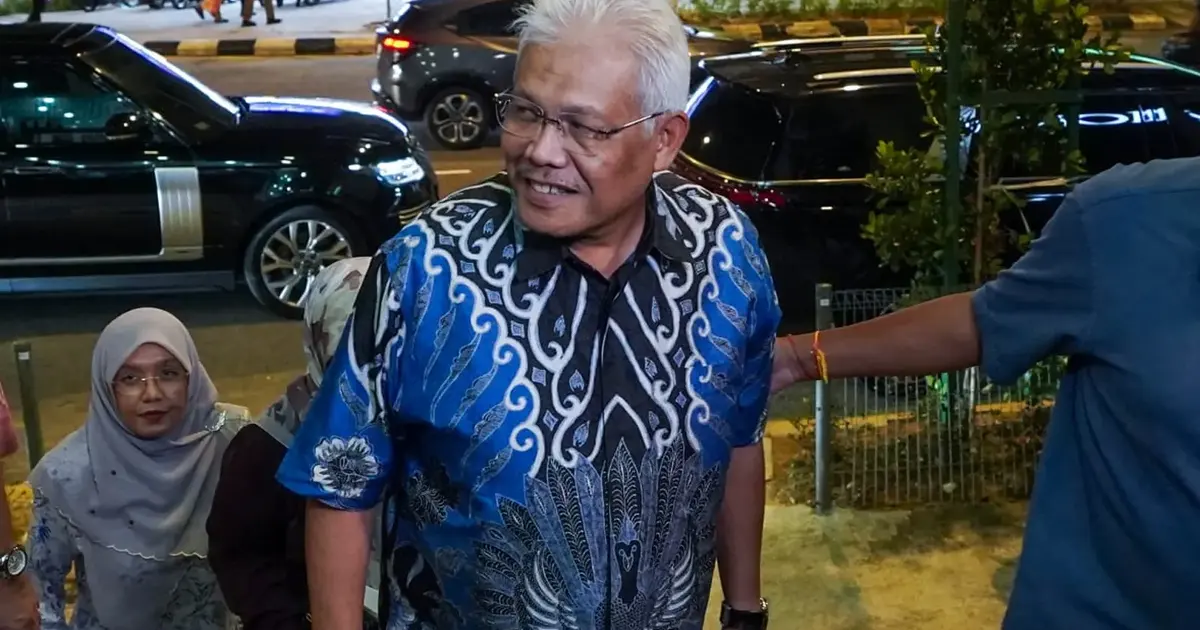
Opposition figures, including prominent MP Hamzah, have been observed meeting at the Kuala Lumpur headquarters of PAS, signalling fresh political manoeuvres within the unstable Perikatan Nasional coalition structure. The private gathering reflects intensified backroom negotiations at a critical juncture for Malaysia's opposition bloc, which has been roiled by strategic realignments in recent days.
The convergence of multiple opposition MPs at PAS headquarters underscores the fluid nature of Malaysian coalition politics, where personal allegiances and factional interests frequently reshape parliamentary alignments. Such high-level meetings typically precede significant announcements regarding parliamentary support, ministerial positions, or fundamental shifts in coalition membership. The timing of this particular gathering holds particular significance given the coalition's recent turbulent developments.
PAS's decision to formally sever its partnership with Bersatu last week fundamentally altered the political landscape and created new openings for realignment negotiations. The rupture between the two Islamist-leaning parties, once considered ideological allies within Perikatan Nasional, exposed deep fissures regarding power-sharing arrangements and strategic direction. This breakdown precipitated urgent consultations among various opposition factions attempting to position themselves advantageously within the changing political environment.
The breakdown represents more than merely a factional dispute; it reflects competing visions for how opposition forces should engage with the Anwar Ibrahim government and broader questions about coalition architecture. Bersatu, associated with former prime minister Mahathir Mohamad and his successors, has pursued different political strategies than PAS, which maintains its primary focus on Islamic representation and conservative Malay-Muslim constituencies. These divergences have increasingly strained their partnership, culminating in formal separation.
For Malaysian observers accustomed to relatively stable two-coalition frameworks during the Mahathir and Moo era, the current volatility represents a departure toward more fluid, transaction-based politics. Individual MPs and smaller parties now exercise greater leverage in negotiations, as larger coalitions struggle to maintain cohesion. This fluidity creates opportunities for strategic repositioning but also introduces considerable unpredictability into parliamentary dynamics.
The meeting's closed-door nature prevents public understanding of specific discussions and proposed arrangements, though such opacity is typical for sensitive political negotiations. Malaysian political culture has consistently valued private talks over public posturing during coalition formation or dissolution processes. The gathering's participants likely discussed parliamentary support arrangements, joint policy positions, or potential ministerial allocations resulting from the altered coalition composition.
Hamzah's presence carries particular weight given his senior parliamentary status and established influence within opposition circles. His participation signals that discussions involve substantive issues affecting coalition direction rather than routine administrative matters. The calibre of attendees suggests negotiations may address fundamental questions regarding opposition strategy moving forward.
The broader context includes sustained tensions between opposing visions for Malaysia's political future. The Anwar administration, governing through a coalition combining former bitter adversaries, faces persistent pressure from fragmented opposition forces seeking to exploit any governance missteps. Opposition realignment potentially strengthens PAS's negotiating position while simultaneously threatening coalition stability if key figures gravitate toward alternative arrangements.
Regional observers note that such political fluid dynamics, while generating headlines domestically, reflect broader Southeast Asian patterns of coalition politics characterised by transactional relationships and personality-driven loyalties. Malaysian politics has increasingly converged toward these patterns following the 2022 post-election period, when traditional ideological distinctions weakened considerably.
The implications for Malaysian governance extend beyond parliamentary arithmetic. Coalition instability complicates government functioning, as executive decision-making becomes hostage to perpetual coalition maintenance efforts. The administration must simultaneously pursue substantive policy objectives whilst managing coalition partners' competing interests and demands. This dynamic frequently produces policy compromises that frustrate reform initiatives whilst satisfying coalition partners.
Looking forward, the current realignment phase will likely produce clearer opposition positioning within weeks. Whether PAS strengthens its opposition coalition role or pursues tactical cooperation with the government remains uncertain, though the visible diplomatic activity suggests significant repositioning ahead. The outcome will substantially reshape parliamentary dynamics and potentially influence governmental stability throughout the parliamentary term.
These developments reinforce Malaysian politics' fundamental unpredictability and the primacy of interpersonal relationships over institutional structures in determining coalition formation. As Perikatan Nasional navigates this transitional period, stakeholders from investors to civil society organisations will monitor coalition evolution carefully, recognising that parliamentary composition directly impacts policy implementation capacity and governance effectiveness.