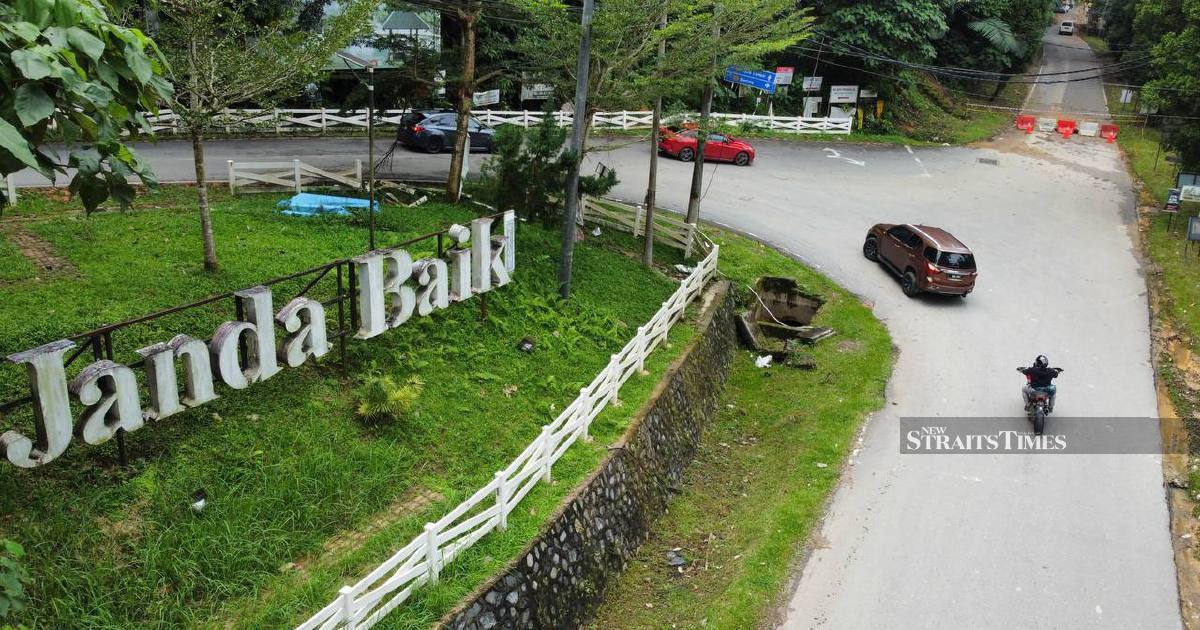
Authorities in Pahang have initiated a formal investigation following reports that numerous visitors contracted illnesses after participating in river activities at a popular recreational destination near Bentong in recent days. The Pahang Health Department confirmed it is examining allegations of sickness among patrons who bathed in the waterway at what appears to be a well-frequented leisure area in the Janda Baik vicinity, signalling renewed scrutiny of water safety standards at such public facilities across the state.
The outbreak of illness among recreational users raises significant concerns about water quality management at visitor destinations in Pahang, particularly during peak seasons when such areas experience elevated foot traffic. Janda Baik, positioned as a gateway to nature-based tourism in the state, attracts substantial numbers of day-trippers and holiday-makers seeking respite in its natural water features. The incident highlights potential gaps in regular water testing protocols and contamination monitoring at unregulated or semi-regulated bathing locations that operate without stringent health supervision.
While preliminary reports describe the cases as food poisoning, environmental health specialists typically distinguish between waterborne illnesses contracted through direct water contact and foodborne pathogens transmitted through consumables sold at such recreational spots. The department's investigation will likely focus on both vectors, examining whether the source originates from compromised water conditions, inadequate sanitation infrastructure upstream, or contaminated food and beverage offerings at the recreational facility itself.
River and natural water body contamination in Malaysia frequently stems from upstream agricultural runoff, inadequate sewage treatment, animal waste infiltration, or heavy rainfall that overwhelms natural filtration capacity. The Bentong area, while developing its eco-tourism credentials, sits within catchment zones requiring careful management to prevent bacterial and parasitic transmission through recreational water contact. Recent weather patterns and seasonal water flows may have contributed to microbiological proliferation or heightened contamination levels that triggered the reported illness cluster.
For Malaysian public health officials, recreational water incidents represent an ongoing challenge in balancing tourism promotion with epidemiological vigilance. The state's growing emphasis on nature-based attractions has not always been matched by corresponding investment in water quality monitoring infrastructure at popular bathing destinations. This investigation will likely become a test case for establishing more consistent health protocols across similar facilities throughout Pahang and potentially influencing standards across the broader Southeast Asian region where informal recreational water use remains commonplace.
The timing of this investigation comes amid increased domestic tourism as Malaysians seek nearby leisure experiences. Janda Baik's accessibility from Kuala Lumpur and surrounding urban centres positions it as a magnet for weekend visitors, amplifying the health risk profile should contamination occur. Authorities must now determine whether the outbreak was isolated or symptomatic of persistent water quality degradation requiring immediate remediation measures.
Tourists and residents planning visits to natural river and waterfall destinations should remain informed about potential health risks, particularly when swimming or wading in unmonitored water bodies. The investigation's findings will likely prompt recommendations regarding visitor advisories and the establishment of formal water testing schedules at popular sites. Pahang's tourism stakeholders will be keenly watching the department's conclusions, as public health incidents can rapidly undermine confidence in destination safety and dampen visitation patterns.
The broader implications extend to environmental management across Peninsular Malaysia's recreational corridors. As domestic tourism intensifies and more populations seek outdoor leisure activities, state health departments face mounting pressure to institute rigorous monitoring systems. This Janda Baik investigation may catalyse development of standardised water safety protocols applicable to similar destinations, potentially creating templates that other states could adopt to protect public health while preserving access to natural recreational spaces.
Meanwhile, the Health Department's investigation timeline remains undisclosed, though authorities typically conduct preliminary assessments within days of notification. Laboratory analysis of water samples and possible food remnants will be essential to confirming the contamination source and determining appropriate remedial action. Should findings point to systemic water quality issues, the responsible local council or land management authority may face directives to implement enhanced treatment or restriction measures pending comprehensive infrastructure upgrades to safeguard future visitors.