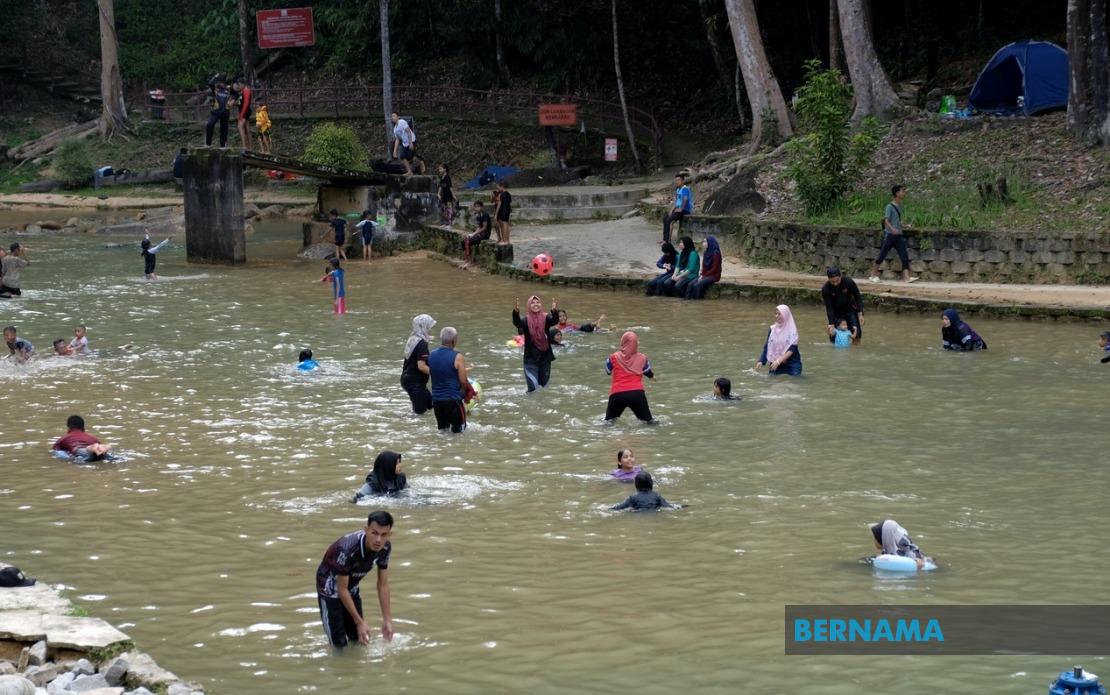
The Pahang State Health Department has launched a formal investigation into complaints from multiple visitors who fell ill after swimming at a recreational site near Bentong, with authorities moving swiftly to assess potential public health risks despite no confirmed cases yet being epidemiologically linked to the incident. The visitors reported gastrointestinal symptoms including diarrhoea, vomiting, and fever following water contact at the location, prompting the department to activate its disease surveillance and environmental monitoring protocols.
A preliminary risk assessment conducted by JKNP found no surge in acute gastroenteritis notifications through the state's existing disease monitoring network, suggesting either that the incidents remain isolated or that many affected individuals have not yet sought formal medical attention. The absence of food poisoning reports through official channels does not necessarily rule out a water-related contamination event, particularly if symptoms emerged only recently and individuals are managing illness at home.
Laboratory testing forms a critical part of the investigation, with raw water samples collected from multiple points along Sungai Benus in Janda Baik on June 14 currently undergoing microbiological analysis. The results of these tests will determine whether pathogenic organisms such as bacteria, viruses, or parasites are present in the water, potentially identifying the causative agent responsible for the reported illnesses. The delay in receiving laboratory results underscores the reality that water quality assessment and disease investigations operate on timelines measured in days rather than hours.
The concurrent mobilisation of active case detection efforts reflects a cautious but measured response designed to identify any additional symptomatic individuals and establish a more complete picture of exposure patterns and risk factors. Epidemiological investigations will attempt to trace commonalities among affected visitors—including when they entered the water, which specific sections of the river they accessed, and whether factors such as water depth, temperature, or visible contamination may have played a role. This detective work proves essential for distinguishing genuine public health threats from coincidental clustering of illness.
Enhanced surveillance at both government and private health facilities across surrounding areas represents a widened net aimed at catching any broader outbreak signals that might emerge in coming days. Should acute gastroenteritis cases with epidemiological connections to the Bentong site begin appearing at hospitals and clinics across the region, this heightened monitoring system should detect such patterns promptly. The approach acknowledges that waterborne illness outbreaks can sometimes spread gradually as more people become symptomatic after exposure days earlier.
Water quality assessment partnerships with other government agencies signal recognition that identifying pollution sources requires expertise spanning microbiology, civil engineering, and environmental management. Possible contamination pathways might include upstream sewage discharge, livestock operations, failing septic systems at nearby facilities, or industrial discharge—each requiring different investigative and remediation approaches. In recreational areas popular with tourists and locals alike, understanding the full environmental context proves crucial for preventing recurrence.
Operators of recreational facilities and accommodations in the region face implicit pressure to demonstrate compliance with sanitation standards, given that the investigation encompasses assessment of their hygiene infrastructure. The directive from JKNP emphasises that operators must maintain functional sewage systems, reliable clean water supplies, and adequate sanitation facilities to prevent environmental contamination. This regulatory attention, while justified by public health principles, may incentivise facility upgrades and stricter maintenance practices more broadly across Pahang's recreational areas.
For residents and visitors across the region, the incident serves as a practical reminder about the risks inherent in recreational water use, particularly in rivers where upstream activities and natural weathering can introduce pathogens. The health department's advisory directing symptomatic individuals toward immediate medical evaluation reflects appropriate public health messaging—early treatment prevents complications and provides clinicians with timely epidemiological data. Fever, vomiting, and diarrhoea lasting more than a few days warrant professional evaluation regardless of presumed cause.
The ministry's cautionary note about public speculation attempts to contain unnecessary alarm while investigations proceed, a balance that proves challenging in the social media era when unconfirmed reports spread rapidly. However, official silence creates an information vacuum that rumour fills, suggesting that transparent release of preliminary findings and investigation timelines—even when results remain incomplete—may prove more effective at maintaining public confidence than strict information withholding. The Malaysian public generally expects regular updates on potential health threats affecting their communities.
Longer-term implications of this incident extend beyond Bentong itself, as it may prompt broader reviews of water quality monitoring protocols at recreational sites across Pahang and neighbouring states. Several Malaysian water bodies, particularly rivers in areas with upstream agricultural or industrial activity, face periodic contamination challenges that often go undetected until clusters of illness draw attention. This incident illustrates the detection lag inherent in waterborne disease epidemiology, where environmental contamination occurs days or weeks before investigators and the public health system recognise something has gone wrong.