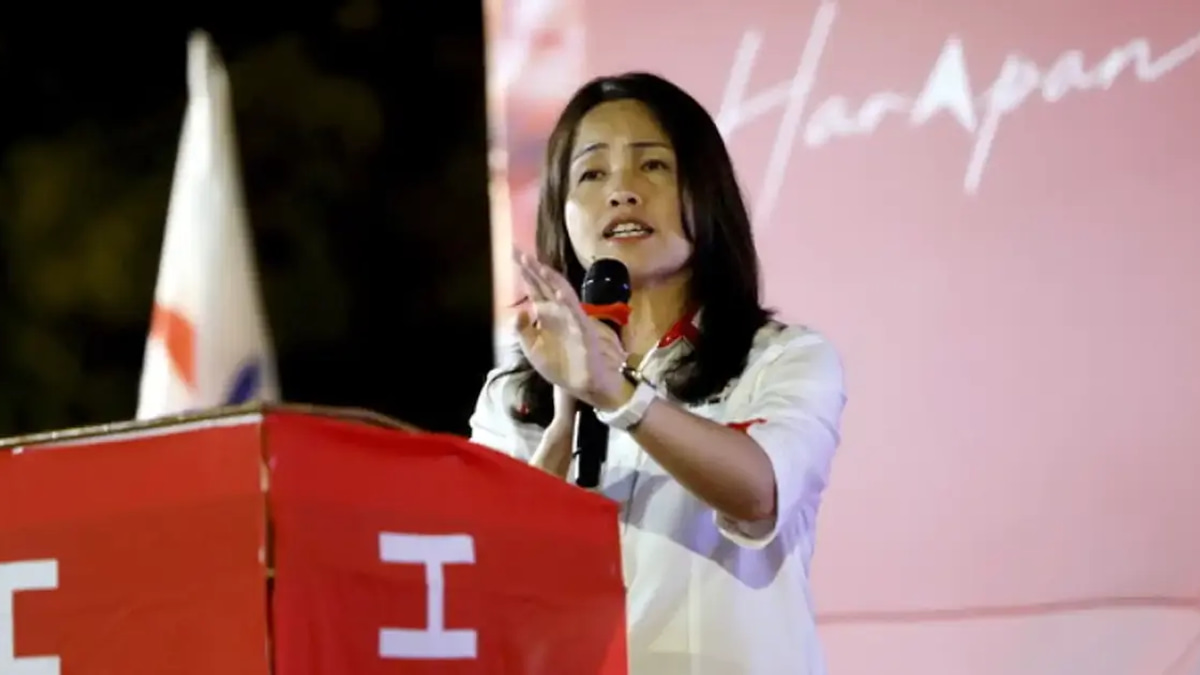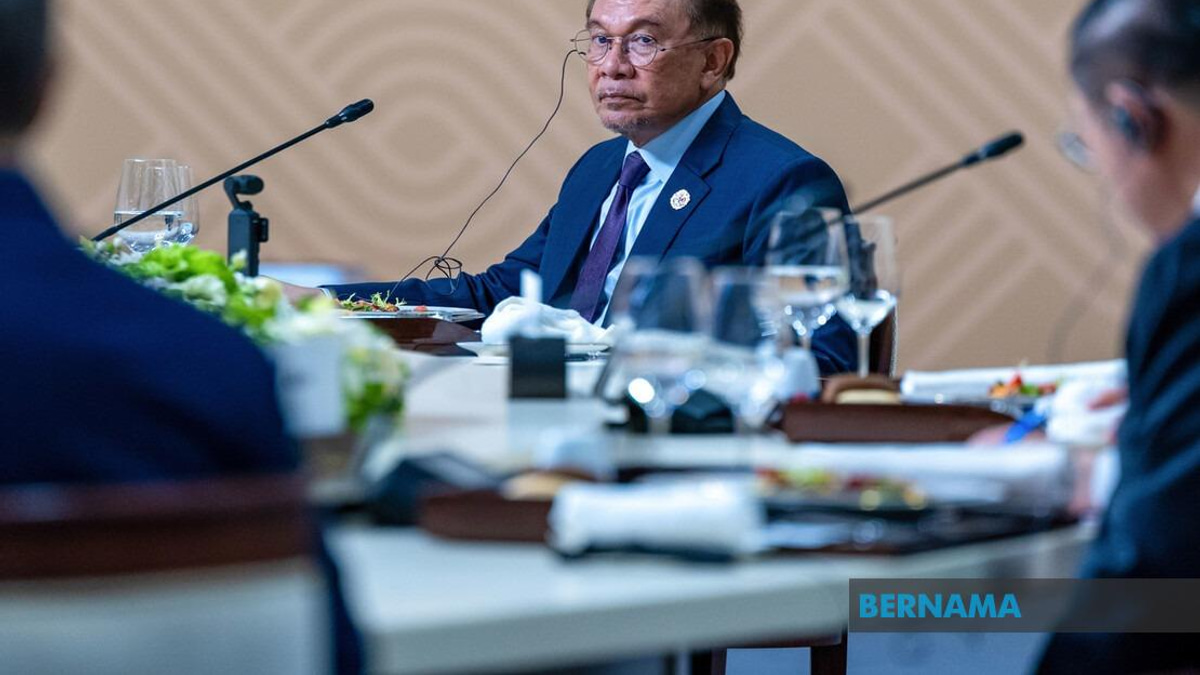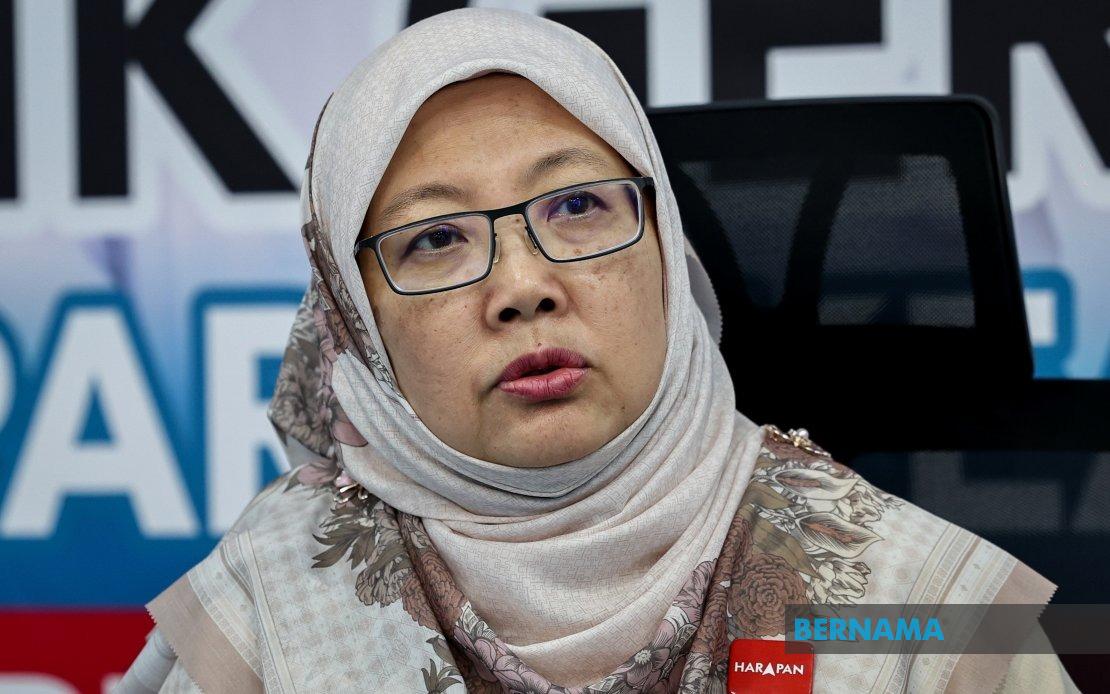
Pakatan Harapan's candidate announcement for the upcoming Johor state election is imminent, with party officials confirming that the complete slate will be unveiled this Monday at an event headlined by the coalition's top-tier leadership. Johor PKR chairman Datuk Seri Dr Zaliha Mustafa, who also holds the position of PKR vice president, revealed the timing during an interview, indicating that Datuk Seri Anwar Ibrahim and other senior figures from the four-party coalition would preside over the unveiling ceremony, lending significant ceremonial weight to the proceedings.
The choice of venue carries strategic significance. Rather than selecting a location in Johor Bahru or another urban centre, PH intends to hold the event in the northern region of the state, specifically in the Bukit Gambir area of Tangkak. This geographical decision reflects a calculated political strategy rooted in observable momentum building across Johor's northern constituencies. Dr Zaliha explicitly linked the northern location to what the coalition perceives as strengthening grassroots support, referencing earlier campaign activities in areas such as Bukit Naning that reportedly generated considerable enthusiasm among local populations.
The candidate selection process itself reveals how PH has approached the task of building its team for what is being framed as an attempt to take control of the state government. Rather than relying solely on centralized decision-making, the coalition claims to have incorporated feedback from branch-level structures throughout Johor, with the stated aim of identifying individuals who possess genuine understanding of local community concerns and possess demonstrated track records of public service. This consultative approach, according to Dr Zaliha, ensures that selected candidates are rooted in their constituencies rather than parachuted in from external party hierarchies.
Diversity considerations have explicitly factored into the selection calculus. PH has deliberately sought to construct a candidate slate that incorporates professionals alongside younger politicians, and that achieves meaningful representation of women and ethnic communities. This emphasis on balanced composition serves multiple purposes: it signals the coalition's commitment to inclusive governance, it demonstrates responsiveness to Malaysian society's demographic realities, and it potentially addresses longstanding criticisms that political parties in Malaysia have historically marginalised women and minority voices in their power structures.
Beyond mere identity representation, the coalition insists that selected candidates must align with and contribute to PH's broader electoral and governance objectives. This framing introduces an important distinction in how the coalition is approaching the Johor contest. Rather than pursuing a limited electoral strategy focused on incremental seat gains relative to previous election results, PH has explicitly stated that its target is achieving the threshold necessary to form a state government. This represents an ambitious calculation, reflecting the coalition's assessment that the political terrain in Johor has shifted sufficiently to make state-level control a realistic objective.
The distribution of candidacies among coalition partners underscores the power dynamics within the PH alliance. PKR, as the largest component, has secured 20 of the 56 contested seats. The Democratic Action Party fields 17 candidates, while Amanah, the smallest major partner, contests 19 seats. This allocation reflects both the relative organizational strengths of each party and ongoing negotiations regarding representation within the broader coalition framework. The fact that all 56 state assembly seats will see PH representation signals that no seats are being ceded to potential allies outside the formal coalition structure, a notably different approach from previous electoral arrangements in other Malaysian states.
The electoral timeline imposes considerable pressure on the coalition's organizational machinery. With nominations scheduled for June 27 and the actual polling date set for July 11, there exists a compressed window for campaign operations. The early voting period, scheduled for July 7, means that the effective campaigning window extends only two and a half weeks from the nomination date. This compressed timeline necessitates that candidates be fully prepared to mobilize support immediately upon formal nomination, leaving no period for post-announcement candidate adjustment or crisis management.
Johor's strategic importance to Malaysian politics cannot be overstated. As the second-largest state by population and a historically significant political battleground, the state election will provide early indication of whether the political realignments evident in recent years have fundamentally altered electoral patterns or represent temporary fluctuations. For PH, success in Johor would substantially strengthen the coalition's hand ahead of any future national elections and would provide a significant power base within the Malaysian federation. Conversely, a failure to secure state government despite contesting all seats would raise questions about the coalition's capacity to translate perceived momentum into actual electoral victories.
The emphasis on northern Johor as the announcement venue also carries broader implications. Historically, Johor's politics have been dominated by UMNO and its traditional support networks, particularly in the state's rural regions. Any significant shift in voting patterns in these northern constituencies would represent a considerable rupture with longstanding electoral behaviour. PH's strategy of emphasizing its perceived gains in these regions through venue selection represents an attempt to reinforce momentum narratives and project inevitability regarding a coalition victory.
For Malaysian observers tracking national political developments, the Johor state election will serve as a critical data point regarding the underlying strength of various political formations. The composition of PH's candidate slate—particularly regarding the balance between experienced and new figures, the representation of different ethnic and gender communities, and the regional distribution of nominations—will provide insight into how the coalition is positioning itself for potential future national contests. The outcome on July 11 will either validate PH's assessment of the political landscape or necessitate significant recalibration of the coalition's electoral strategy and national positioning.