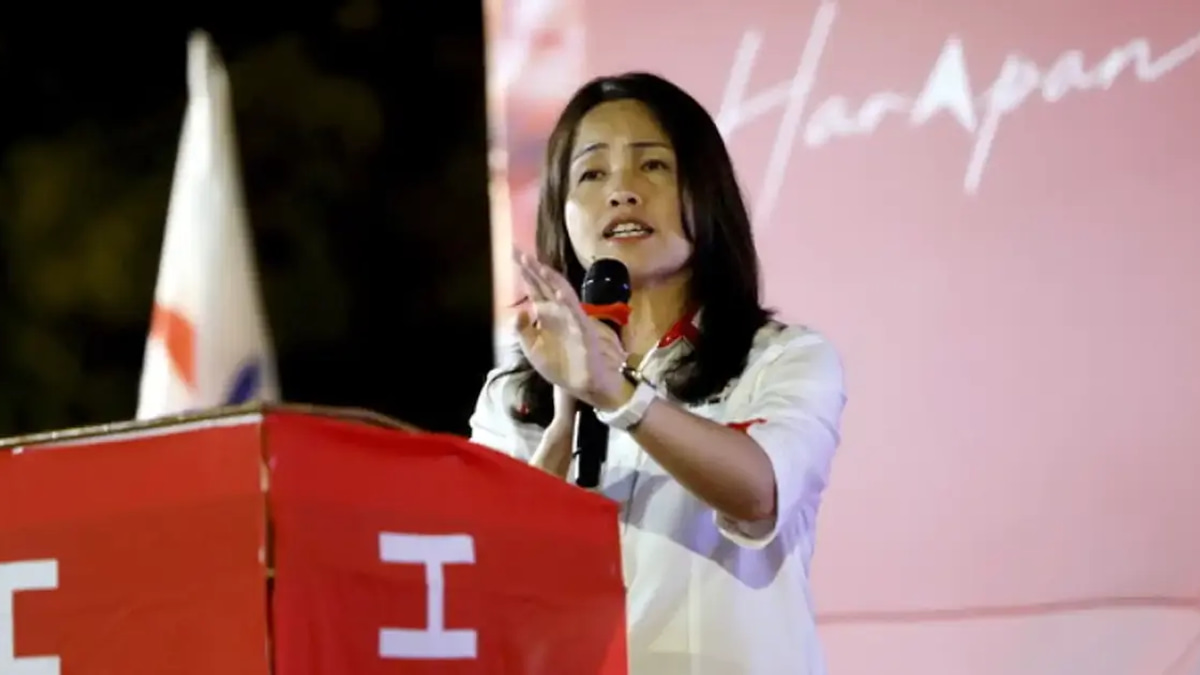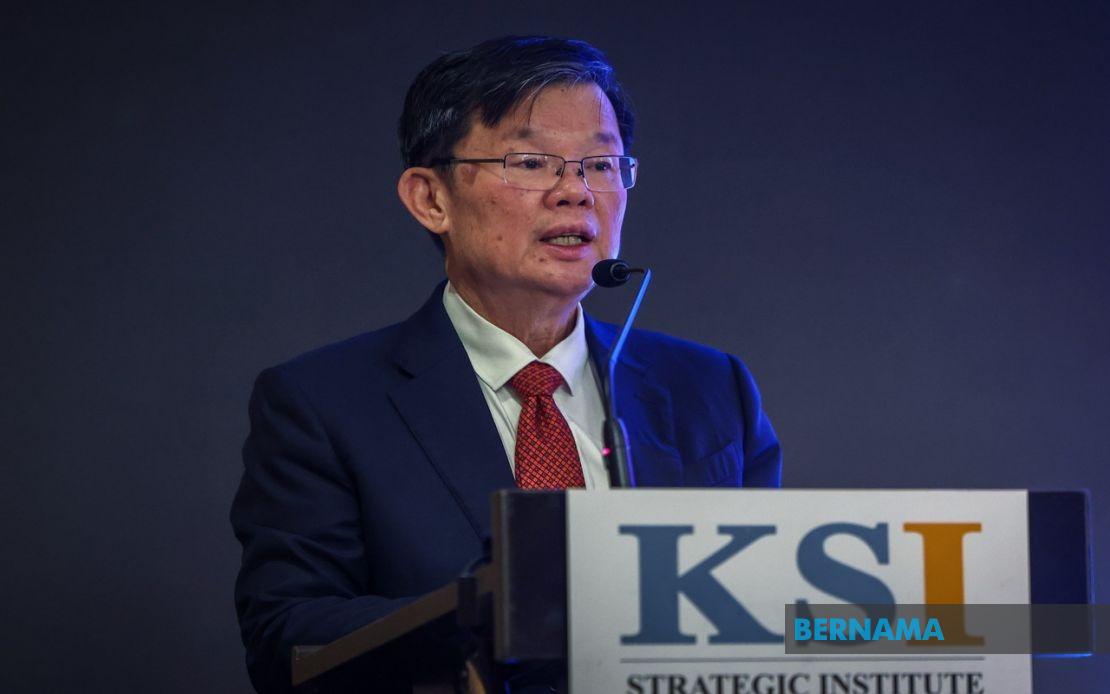
Penang's Pakatan Harapan leadership has signalled its intention to boost female representation on the ballot in the state's next election, yet acknowledged that sourcing an adequate pool of willing and qualified women remains a persistent difficulty. Chow Kon Yeow, who holds the dual positions of party chairman and Chief Minister, made the commitment while addressing journalists at the World Women Economic and Business Summit 2026 in George Town on June 15. Although the party maintains a principled commitment to achieving at least 30 per cent women's participation in political office and governance structures, the gap between aspiration and practice continues to frustrate efforts to implement this goal systematically.
The fundamental constraint, according to Chow, lies not with party selection criteria but with candidate availability itself. The party cannot field women in numbers exceeding those willing to enter the contest, and the organisation must first address the structural conditions that discourage women from coming forward during nomination processes. This candid assessment reflects a reality increasingly acknowledged across Malaysia's political establishment: expanding women's representation requires confronting deeper questions about the barriers women face when contemplating political careers, not merely adjusting candidate lists.
Elsewhere in his remarks, Chow highlighted the persistent statistical gap between Malaysia's stated policy objectives and measurable outcomes. At the national level, women comprise only 13.5 per cent of Members of Parliament and 12 per cent of state assemblypeople, falling substantially short of the 30 per cent target adopted in 2009. These figures underscore how Malaysia lags behind many comparable economies in female political participation, a deficit that carries implications for policy priorities, resource allocation, and the range of perspectives shaping governance decisions. The gap is particularly striking given women's demonstrable achievements in sectors ranging from higher education through engineering and business administration to the civil service.
Chow's observations point to a paradox central to Malaysia's gender equity debate. Women have successfully penetrated professional, technical, and managerial roles across the economy, yet remain markedly absent from legislative chambers and party hierarchies. This disparity suggests that barriers to political entry differ qualitatively from those affecting professional advancement. The pressures and obstacles women associate with parliamentary or state assembly candidacy—whether relating to campaign financing, family obligations, media scrutiny, or party dynamics—require specific remedial attention rather than generic diversity rhetoric.
For Penang specifically, the commitment to field more women candidates acquires particular weight. As Malaysia's most urbanised state and a political battleground where both the federal government and the opposition maintain significant presence, Penang elections carry resonance beyond its boundaries. An increase in female candidacy there could establish precedent-setting outcomes and provide evidence regarding voter receptiveness to female candidates in competitive electoral environments. The state's relatively developed economy and educated electorate might generate conditions more favourable to women's candidacy than prevail elsewhere in Malaysia.
Chow advocated for concrete structural reforms extending beyond aspirational targets. He proposed that political parties formalise the 30 per cent threshold within their candidate selection procedures, building accountability mechanisms that convert targets into binding commitments. This institutional approach recognises that voluntary frameworks historically produce modest results unless embedded in party constitutions and enforcement procedures. Malaysian parties have sometimes adopted targets as public relations statements rather than operational guidelines; formalisation would alter that calculus.
Additionally, Chow stressed the necessity of ensuring women's substantive participation on decision-making bodies within parties themselves, not merely as candidates. Without women's presence in the committees that formulate policy, allocate resources, and determine electoral strategy, female candidates lack meaningful influence over their own representation or party direction. This principle extends to mentoring and resource provision for women leaders developing political careers. Emerging female politicians require access to financing networks, campaign expertise, and party endorsement comparably to male counterparts, yet often encounter informal disadvantages in these domains.
The World Women Economic and Business Summit setting for these remarks was itself significant. The venue reflected growing recognition that women's economic participation and political representation constitute interconnected challenges. Nations seeking competitive advantages in knowledge economies require their full talent pools engaged in innovation, entrepreneurship, and leadership; relegating women to marginal political roles incompletely utilises that potential. Penang, as a manufacturing and services hub, has particular economic interest in policies shaped with female participation and perspectives reflected in decision-making.
Looking forward, Chow's framing emphasises that responsibility for increasing women's political candidacy extends across multiple actors. Parties must reform internal procedures and support systems. Existing women in politics must mentor emerging candidates. Community and civil society organisations must cultivate female political interest among younger generations. And broader social attitudes regarding women's appropriateness for political leadership require gradual reformation through visible female candidates succeeding in elections. The next Penang state election will provide a meaningful measure of whether these various commitments translate into tangible progress toward the long-deferred 30 per cent target.