Penang police have moved to reassure residents and road users that the National Journalists' Day (HAWANA) 2026 celebration will proceed without creating significant disruption to daily life in the state. Speaking to the national news agency, Penang police chief Datuk Azizee Ismail outlined a detailed operational framework designed to accommodate the prestigious three-day event at PICCA Convention Centre @ Butterworth Arena while maintaining normal traffic flows throughout the surrounding areas. The commitment signals an effort to balance the importance of hosting a major national gathering with the legitimate concerns of residents navigating their routines during the programme.
The police department has drawn upon recent experience to shape its approach, applying lessons learned from successfully managing security and crowd control during the Malaysia Day 2025 celebration held at the same venue last year. This institutional memory has informed the current planning, with Azizee confirming that staffing levels assigned to both security and traffic management will match the intensity deployed for that previous milestone event. The decision to replicate a proven framework suggests confidence in established procedures while signalling that organisers anticipate comparable attendance numbers and operational demands.
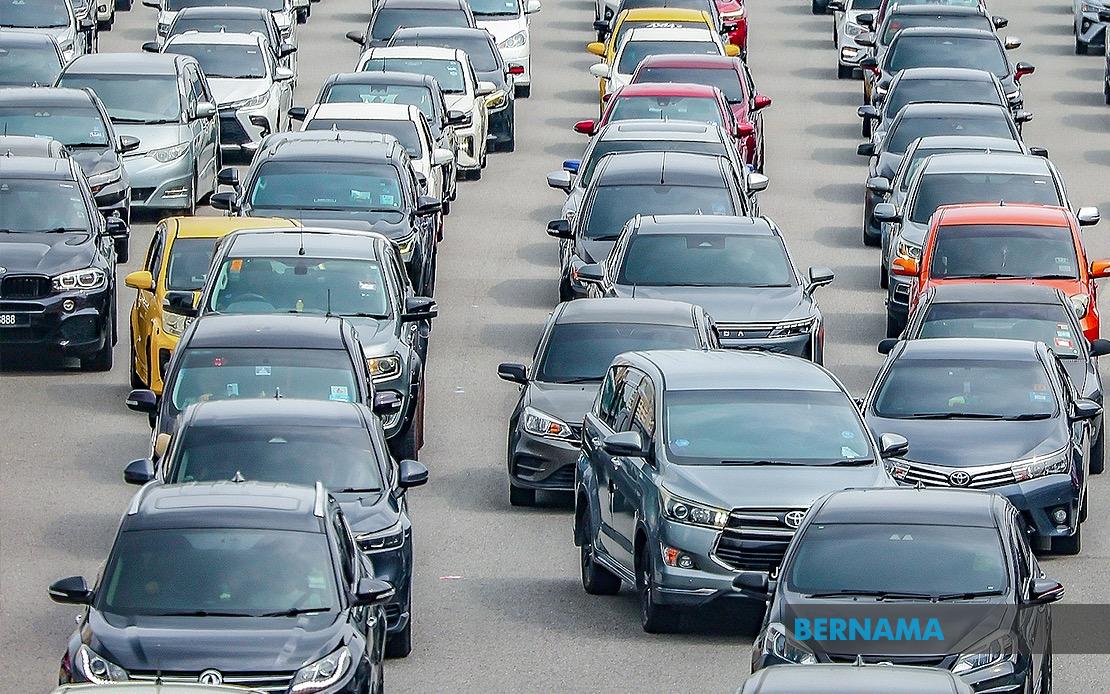
A notable aspect of the operational plan is the explicit commitment that primary arterial routes around PICCA will remain accessible throughout the event schedule. Rather than implementing full road closures that would redirect traffic away from the immediate vicinity, authorities will instead coordinate a series of strategic diversions designed to maintain circulation while allowing vehicles to navigate congested areas. Traffic police personnel will be stationed at major intersections across the zone, functioning as on-ground traffic directors to guide vehicle movement and prevent gridlock during peak arrival and departure periods.
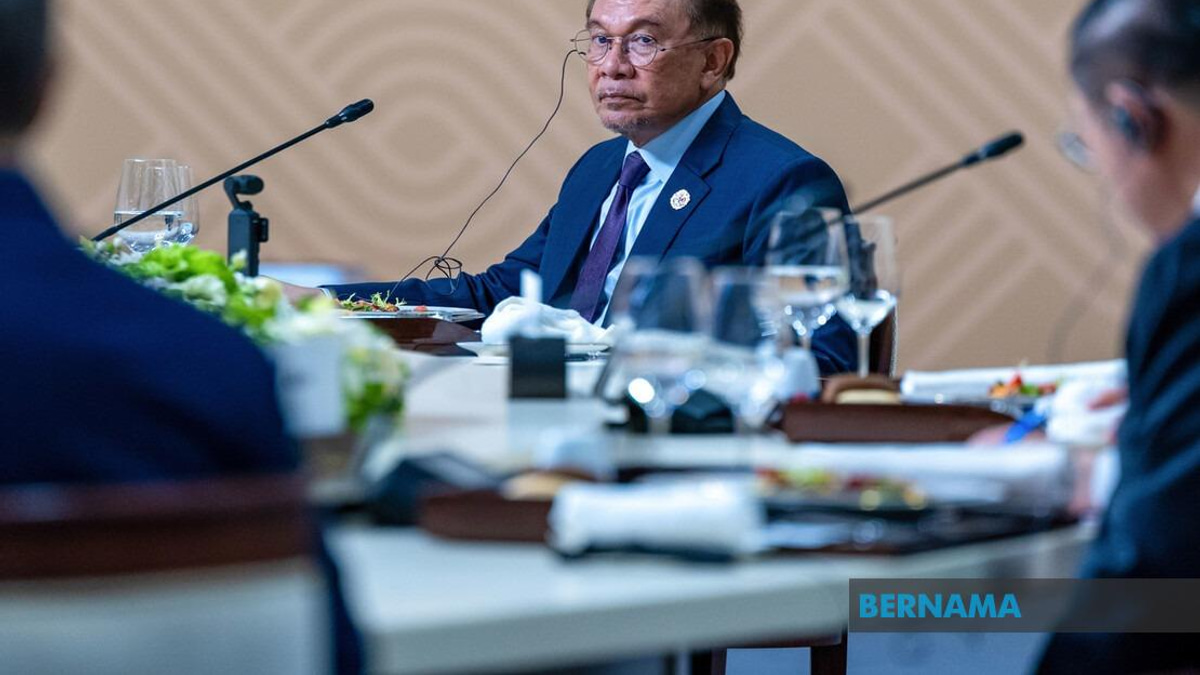
The HAWANA 2026 Summit represents a convergence of professional journalism with celebration of media contributions to national development. The event will be formally opened by Prime Minister Datuk Seri Anwar Ibrahim on June 20, bringing together approximately one thousand media practitioners from Malaysia and international delegations. This assembly underscores the strategic importance placed upon journalism and press freedom within government communications priorities, particularly as the theme "Media Integrity Strengthens Credibility" places institutional trust at the centre of the gathering's messaging.
Organised jointly by the Ministry of Communications and the Malaysian National News Agency (Bernama), the summit functions as a culminating recognition of the media profession's contributions, resilience and standards within the nation. The platform provides an opportunity to reinforce professional norms and acknowledge the role that ethical journalism plays in maintaining public confidence in information systems. For journalists across the country, the gathering represents both professional recognition and a forum for discussing industry challenges and best practices.
Parallel to the formal summit, a companion carnival initiative branded as Riuh Pi HAWANA will operate across the same three-day window, introducing a public-facing dimension to the celebration. Expected to draw approximately thirty thousand visitors, this carnival element transforms the event from an exclusive professional conference into a broader community engagement opportunity. The programming reflects contemporary interests in creative industries, featuring more than twenty four local product brands alongside twenty food and beverage vendors, creating a marketplace environment that appeals to general audiences.
The entertainment dimension will feature sixteen stage performances showcasing Malaysian musicians and artists including groups such as Exists, Bunkfac, Masdo, Sakura Band, Budak Nakal Hujung Simpang and performer Chelsea Ng, with free public admission. This integration of live entertainment with commercial and creative exhibition transforms the event into a cultural festival that extends beyond professional journalism discourse. The programming strategy appears designed to position media celebration within broader conversations about Malaysian creative talent and entertainment industries, potentially building crossover interest from populations not primarily engaged with journalism.
The combination of large-scale professional gathering and high-volume public carnival creates the operational complexity that justified police preparation comparable to Malaysia Day 2025 management. The estimated thirty thousand carnival visitors layered atop one thousand participating journalists and their support delegations creates meaningful density around the PICCA facility and its surrounding transport corridors. This attendance projection informed staffing decisions and necessitated the proactive traffic management framework that authorities have committed to implementing.
Penang police chief Azizee emphasised that comprehensive advance preparations have been undertaken to safely accommodate increased visitor volumes across all three programme days, with particular attention to guest safety, participant security and general public protection. The multilayered approach encompassing uniformed traffic personnel, vehicle routing protocols and intersection management reflects a security paradigm that seeks to maintain order through presence and coordination rather than through restrictive access controls. This philosophy aligns with the government's apparent intention that the event remain accessible and integrated with normal civic activity rather than cordoned off as an exclusive affair.
Authorities have advised members of the public to cooperate with traffic personnel instructions and to plan their journeys with advance consideration of potential congestion around the PICCA precinct. This guidance acknowledges that despite best efforts at management, some localised disruption is likely, and that traveller awareness and flexibility will contribute to overall network resilience. The advisory also implicitly shifts some responsibility to road users to participate in managing the event's impact through informed decision-making about travel timing and route selection.
For Malaysian business owners and creative entrepreneurs, the HAWANA 2026 carnival represents a significant platform to showcase products and services to a diverse audience of thirty thousand. The curation of local brands and vendors signals that organisers intentionally structured the event to provide promotional opportunity for domestic commercial interests, particularly within creative and cultural sectors. This approach potentially generates economic spillover benefits beyond the event itself, as participating vendors gain market exposure and consumer engagement throughout the three-day programme.
The gathering occurs within a broader context of government emphasis on institutional credibility and media standards, themes that have featured prominently in Malaysian policy discourse. By hosting a summit centred on media integrity, the government positions itself as supporter of professional journalism standards and institutional trust-building. The event thus carries symbolic significance beyond the immediate professional recognition it provides to journalists, functioning as a public statement about the value placed upon ethical information systems and reliable news media.
As Penang residents and regular road users prepare for the event beginning this Friday, the combination of police assurances regarding open main roads and proactive traffic management appears designed to minimise friction between honouring a significant national celebration and maintaining normal civic functioning. The success of this balance will likely influence how future large-scale public events are structured in the state, with operational outcomes during HAWANA 2026 potentially becoming a reference point for subsequent security and traffic planning.