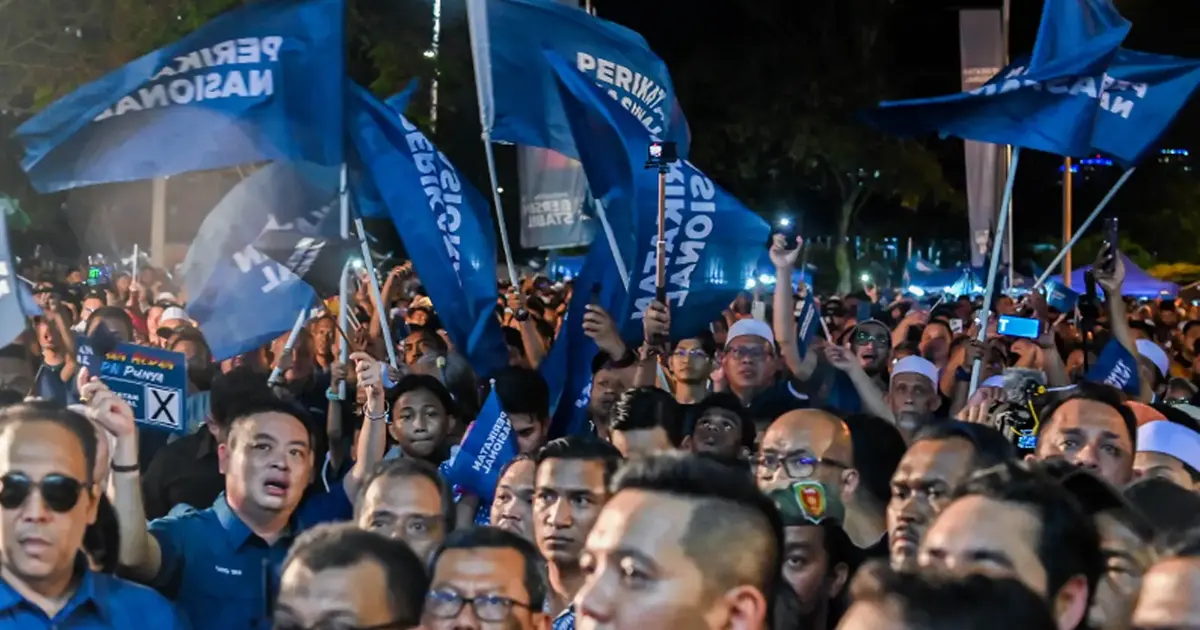
The Perikatan Nasional coalition faces serious structural vulnerabilities as the friction between PAS and Bersatu has progressed into a more entrenched and damaging phase of confrontation, according to an assessment by Ilham Centre chief researcher Yusri Ibrahim. The evolution of this dispute beyond surface-level disagreements into what observers characterise as prolonged adversarial positioning raises questions about the coalition's viability as a unified political force.
The characterisation of the current situation as a 'guerrilla war' phase reflects the nature of the contest unfolding within the coalition. Rather than direct confrontations that might be resolved through formal negotiations, the conflict has transformed into a pattern of skirmishes and tactical manoeuvres that lack clear resolution mechanisms. This shift in dynamics suggests that both parties have moved beyond seeking compromise and are instead pursuing strategies designed to strengthen their individual positions at the expense of overall coalition cohesion.
For Malaysian politics, the potential fragmentation of Perikatan Nasional carries significant implications. As one of the country's major political blocs, the coalition's internal stability directly affects the broader balance of parliamentary power and the feasibility of government formation. The party combination has proven influential in recent years, particularly in establishing alternative governing coalitions to the long-dominant Barisan Nasional framework. A breakdown would fundamentally reshape the political landscape.
PAS, as the dominant Islamic party in the coalition, brings substantial grassroots support and electoral machinery, particularly in states such as Kelantan and Terengganu where the party maintains strong organisational presence. Bersatu, meanwhile, represents a newer political force built around specific personalities and regional bases, though it has proven capable of mobilising significant voter support in key constituencies. The dependence of the coalition on these two distinct entities, each with separate agendas and power bases, creates inherent tensions.
The feud between these components reflects deeper strategic divergences. PAS operates from an ideological foundation centred on Islamic governance and religious principles, which shapes its policy preferences and coalition expectations. Bersatu, by contrast, emerged from a different political lineage and maintains broader cross-communal appeal, particularly among non-Muslim constituencies in certain regions. These fundamentally different approaches to politics and governance create recurring points of friction regarding coalition direction and electoral strategy.
The deterioration from manageable disagreement into protracted conflict suggests that confidence-building mechanisms within the coalition have broken down. In stable multi-party alliances, mechanisms for dispute resolution and compromise typically function to prevent small disagreements from escalating into coalition-threatening crises. The apparent absence or failure of such mechanisms within Perikatan Nasional indicates deeper institutional weaknesses in how the coalition is structured and managed.
Regional variations in party strength compound the difficulty of maintaining unified coalition positions. PAS dominates in certain states where Bersatu maintains minimal presence, while the reverse holds true in other regions. This geographical division of strength means that coalition members cannot simply defer to a single dominant force, as might occur in other political configurations. Instead, each party must continuously assert its relevance and protect its territorial interests, creating perpetual competition within the supposed alliance.
The timing and duration of such internal conflicts matter considerably for electoral prospects. Malaysian voters typically demonstrate lower tolerance for coalitions that appear fractious or divided in purpose. Visible conflict between coalition partners can depress voter turnout among supporters uncertain whether their preferred party will remain committed to the alliance, and may convince swing voters to support alternatives they perceive as more stable. The longer such conflicts persist, the greater the damage to coalition electoral viability.
Exit options for either party would reshape Malaysian politics substantially. Should either PAS or Bersatu attempt to function independently or seek alternative alliances, the calculations affecting government formation would shift dramatically. The remaining coalition partners would need to recalculate their political strength and explore new partnership options, potentially accelerating broader realignments across the political spectrum. Such movements would likely trigger counter-movements among other parties seeking to establish competing coalitions.
The role of personalities and leadership dynamics should not be underestimated in understanding these tensions. Key figures within each party carry historical grievances and personal ambitions that intersect with party interests. These leadership dimensions often prove more durable barriers to reconciliation than policy disagreements, since personality-based conflicts resist resolution through institutional reforms or compromise documents.
For Southeast Asian observers, the Perikatan Nasional situation illustrates broader challenges facing coalition governments in the region. Multi-party alliances frequently prove more fragile than single-party governments, particularly when coalition partners possess similar sizes and independent political bases. Malaysia's experience demonstrates how quickly such arrangements can deteriorate when component parties prioritise self-interest over collective survival.
The question facing Perikatan Nasional now centres on whether the coalition possesses sufficient shared interests or structural incentives to reverse the current trajectory. Without deliberate intervention and commitment to renewal from party leadership, the present guerrilla phase may simply represent an intermediate stage preceding more consequential structural breakdown. The coalition's next moves will likely determine whether these current tensions prove manageable or ultimately fatal.