The Royal Malaysia Police (PDRM) is preparing for a significant security operation surrounding the upcoming Johor State Election, with plans to position 11,926 officers and personnel across the state to oversee election day proceedings and maintain order throughout the electoral process.
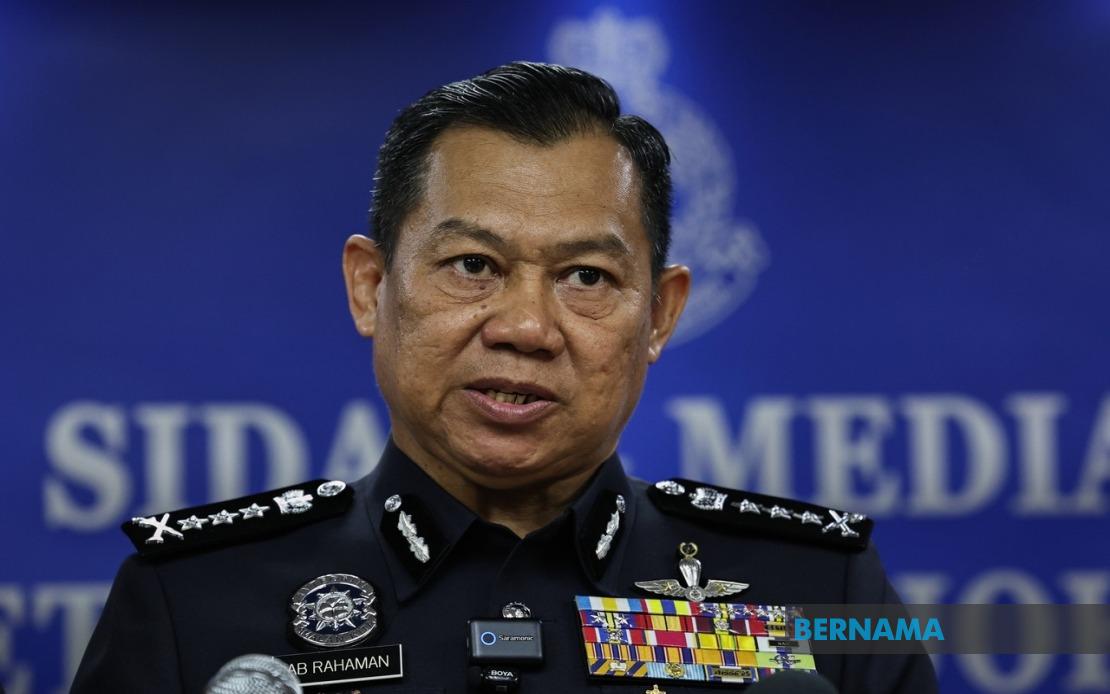
Johor Police Chief Datuk Ab Rahaman Arsad announced the comprehensive deployment strategy during a press briefing held at the Johor Police Contingent Headquarters, outlining how the force intends to manage security challenges associated with large-scale democratic exercises. The operation will unfold systematically across five distinct phases, allowing police commanders to adjust personnel allocation and tactical positioning as circumstances evolve from the pre-election period through to final vote tallying.
The phased approach reflects established protocols for managing national and state-level elections in Malaysia, where coordinated law enforcement is essential to prevent disturbances, manage crowd control, and respond rapidly to security incidents. By structuring the deployment across multiple stages rather than concentrating all resources simultaneously, the PDRM can maintain baseline policing capacity elsewhere in Johor while focusing enhanced presence on election-critical locations and periods.
Acknowledging that electoral security extends beyond the regular police establishment, the Johor Police Contingent will receive substantial reinforcement from specialized units operating under the Internal Security and Public Order Department (KDNKA). This collaborative arrangement brings additional depth to the operation, mobilizing specialized capabilities specifically trained for crowd management and internal security scenarios that may arise during politically sensitive events.
The supporting contingents include personnel from the General Operations Force, a paramilitary unit traditionally deployed in counterinsurgency and public order roles; the Federal Reserve Unit, which provides rapid-response capabilities for emergency situations; the PDRM Air Unit, which offers aerial reconnaissance and rapid mobility; and the Marine Police Force, relevant given Johor's coastal geography and the need to secure waterborne access routes to polling centers. In total, these units contribute 54 officers and 701 personnel to supplement the primary police deployment.
For Malaysian readers, the scale of this security operation underscores the logistical complexity of administering elections in a state with Johor's geographic spread and population density. State elections require coordination between multiple federal and state agencies, with police bearing primary responsibility for maintaining the security envelope within which electoral authorities can operate undisturbed. The nearly 12,000-person police presence represents one of the largest peacetime deployments of law enforcement resources in the state, comparable to security arrangements for major national events or large sporting gatherings.
The flexibility built into the five-phase deployment model allows commanders to respond to intelligence suggesting potential disruptions or violence, whether from organized political actors or opportunistic criminals who sometimes exploit the chaos and distraction of electoral periods. By maintaining adaptability in resource allocation, the PDRM can concentrate firepower where threats materialize rather than spreading forces uniformly across the state regardless of actual security needs.
For Southeast Asian observers, Johor's election reflects how mature electoral democracies in the region continue investing substantially in professional law enforcement to safeguard democratic processes. The emphasis on coordination between regular and specialized units demonstrates institutional learning and cooperation frameworks that have developed across Malaysian security agencies, with clear chains of command and pre-arranged support mechanisms reducing friction during high-stakes operations.
The announcement also carries implicit reassurance to voters and international observers that Malaysia's electoral authorities are taking security seriously. Large visible police presence at polling stations and transit routes can deter would-be troublemakers while signaling governmental capacity to maintain order. However, excessive or aggressive policing can conversely inhibit voter turnout among populations anxious about police conduct or viewing heavy security as signs of instability, creating a delicate balance that experienced electoral administrators must navigate carefully.
The deployment's five-phase structure likely encompasses pre-election surveillance and prevention activities, election day itself with concentrated static and mobile patrols, vote-counting periods when tensions sometimes peak as results become apparent, post-election celebration or protest management depending on outcomes, and a final normalization phase. This granular approach allows police to maintain heightened readiness during the highest-risk windows while avoiding unnecessary operational strain during lower-risk periods.
For Malaysian stakeholders, the announcement reflects institutional confidence in law enforcement's capacity to handle electoral security without undue military intervention or suspension of civil liberties. The reliance on police rather than armed forces distinguishes Malaysia's electoral model from some regional counterparts and suggests established trust in the PDRM's professionalism and political neutrality, though ongoing debates about police accountability and conduct standards continue within Malaysian civil society.