Authorities in Ipoh have imposed movement restrictions across five cordoned zones in the Bercham district following a devastating storm that struck on Friday, with police implementing security measures to protect residents' properties during the cleanup and recovery phase. The decision to seal off affected neighbourhoods reflects growing concerns that disaster-stricken areas become targets for opportunistic criminals who exploit the chaos and displacement caused by natural disasters.
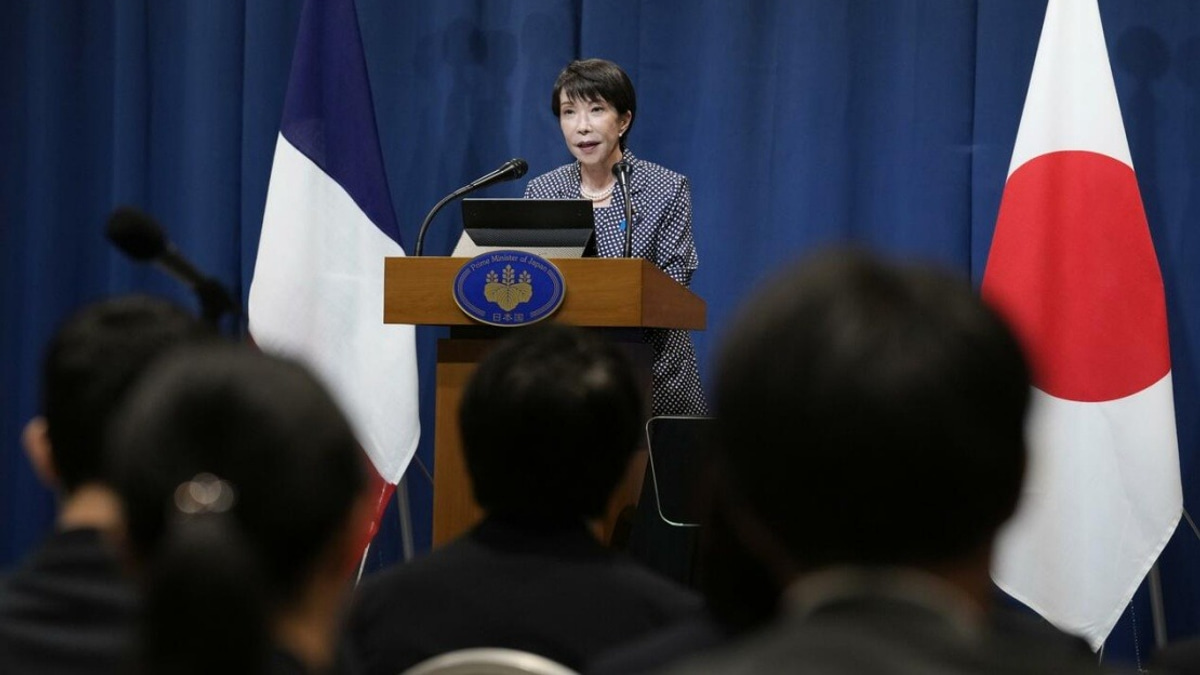
Ipoh district police chief ACP Muhammad Najib Hamzah outlined the enforcement strategy during a briefing at the Bercham police station, acknowledging that some operational flexibility would be necessary to balance security concerns with residents' genuine need to assess and salvage their belongings. The police leadership recognised that many residents face the urgent task of retrieving valuables and beginning repairs, particularly those working during daylight hours when supervision and verification can be more readily conducted.
However, authorities have signalled a considerably firmer approach to controlling access during nighttime hours, when the absence of electricity in several neighbourhoods—notably Anjung Bercham—creates conditions that facilitate criminal activity. The darkness compounds existing vulnerabilities, making it difficult for residents to identify intruders and for security personnel to monitor suspicious movement effectively. Police will implement enhanced verification procedures requiring residents to provide proof of ownership before entering restricted areas after dark, a measure designed to distinguish legitimate cleanup efforts from organised looting operations disguised as disaster relief activities.
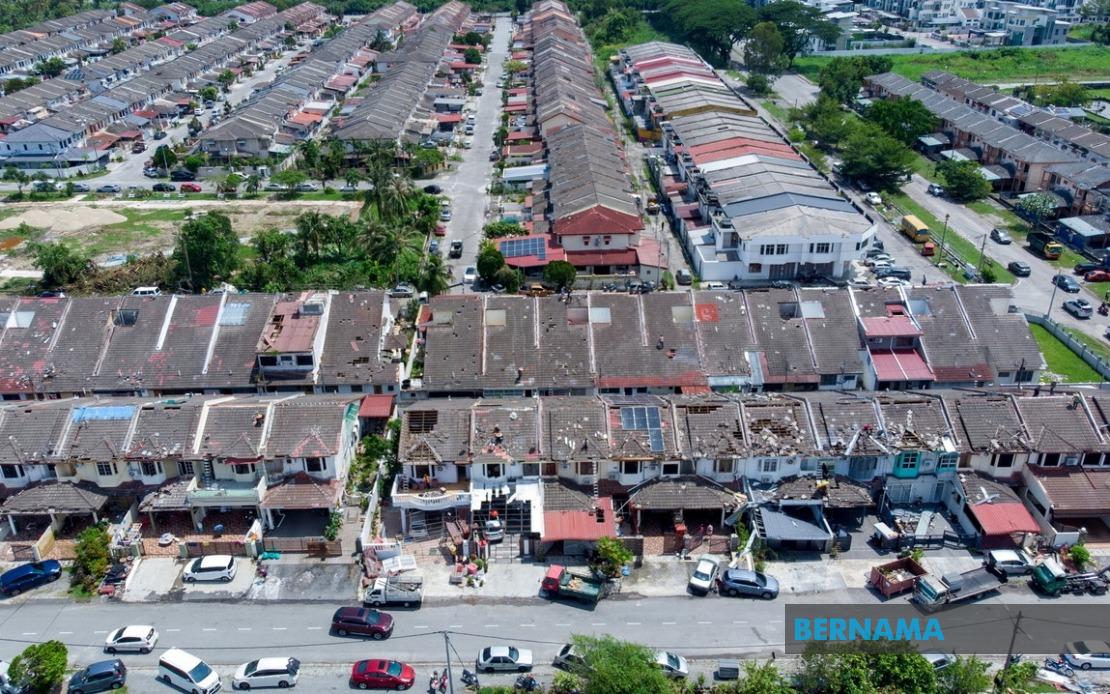
The storm's impact on the Ipoh community has been substantial. Across Bercham's residential zones, including Anjung Bercham Utara, Taman Mujur, Kampung Bercham, Kampung Tersusun Tasek, Taman Pusat Bercham, and Taman Indah Sakti, more than 200 houses sustained damage ranging from minor structural issues to severe destruction. By mid-morning on Friday, police had documented 492 storm-related reports through the Op Bencana emergency reporting system, though officials stressed that this figure represents only initial notifications and the actual scope of damage remains subject to ongoing assessment.
Ipoh Barat Member of Parliament M. Kulasegaran, who also serves as Deputy Minister in the Prime Minister's Department (Law and Institutional Reform), characterised the meteorological event as extraordinary and potentially unprecedented for the region. Preliminary analysis suggests the storm may have been caused by a landspout phenomenon—a rare weather occurrence distinct from typical tropical thunderstorms—which would explain the concentrated and intensive damage pattern observed across Bercham's residential districts.
The financial implications of the disaster remain unclear at this stage. Authorities have indicated that comprehensive damage assessments have not yet been completed, and final tallies of economic losses across residential and possibly commercial properties cannot be reliably estimated until structural engineers and insurance assessors complete their evaluations. Such assessments typically require several weeks, particularly when property damage is widespread and affects multiple jurisdictional boundaries.
The police's establishment of controlled access points reflects established protocols for post-disaster security management adopted across Malaysia following previous significant weather events and natural disasters. Experience has demonstrated that unrestricted access to damaged areas frequently results in secondary losses through theft, opportunistic burglary, and vandalism, which compound the primary damage already inflicted by the disaster itself. In some cases, theft following natural disasters has proven nearly as economically devastating as the original event.
For Malaysian readers and those elsewhere in Southeast Asia, the Bercham incident underscores the vulnerability of densely populated residential areas to severe weather phenomena that remain incompletely understood or predicted by current meteorological systems. The landspout explanation, if confirmed, would highlight an emerging climate pattern that warrants increased research and preparedness initiatives across the region's vulnerable communities.
Residents requiring access to their properties have been advised to cooperate with police verification procedures and to provide documentation confirming their residence or property ownership. The police department has indicated that no deadline has been imposed for victims to lodge official reports through Op Bencana, allowing affected families the flexibility to document losses according to their personal circumstances and repair schedules.
The comprehensive nature of this security response demonstrates the authorities' recognition that disaster recovery requires multifaceted interventions addressing not only immediate humanitarian relief but also the protection of property and the maintenance of public order during the vulnerable post-disaster period. For Bercham residents facing weeks or months of rebuilding, the temporary restrictions, while requiring adjustment to their movements and activities, aim to ensure that their recovery resources are devoted to genuine reconstruction rather than compensating for additional losses through criminal activity.