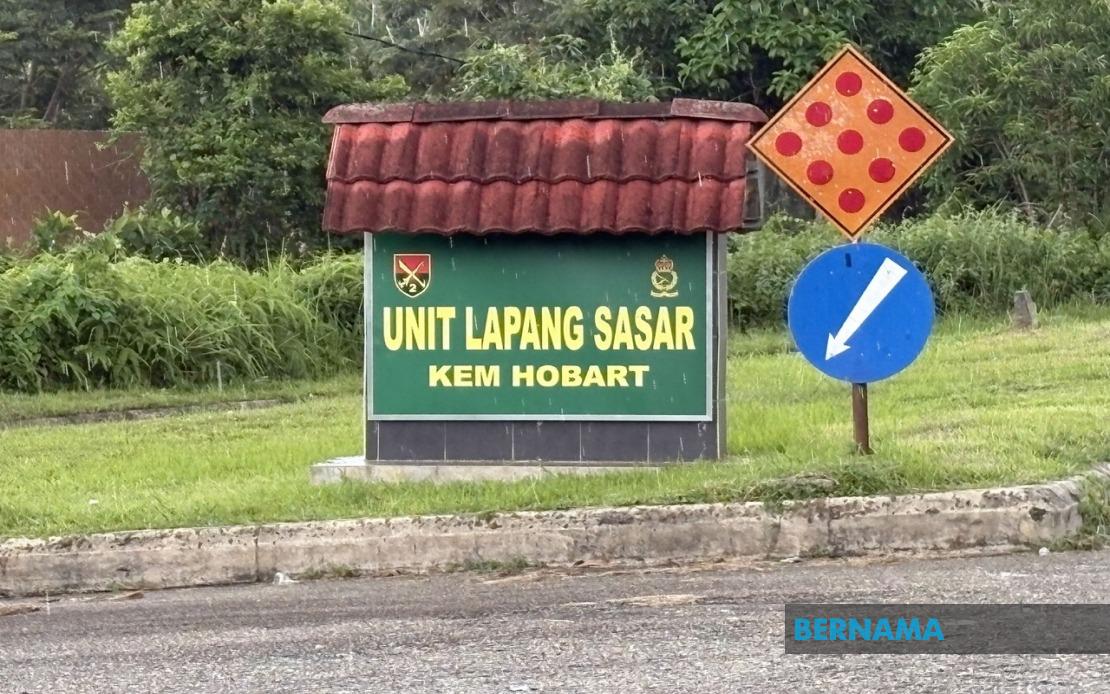
Two soldiers lost their lives in a training accident at Hobart Camp in Gurun on June 16 when a grenade detonated unexpectedly during a weapons exercise. The incident has prompted Kuala Muda police to initiate a comprehensive sudden death investigation, with officers committed to establishing the precise circumstances that led to the tragedy. Police chief ACP Hanyan Ramlan confirmed that authorities are actively pursuing cooperation from relevant agencies and will conduct an extensive scene examination to determine what went wrong.
The deceased have been identified as Corporal Norazmi Abu Bakar, attached to the Sixth Battalion of the Royal Malay Regiment, and Private Siti Khadijah Sungip, serving with the First Squadron of the Royal Malaysian Engineers Regiment. Both personnel were participating in a grenade-throwing exercise conducted under the Combat Enhancement Training programme of the First Squadron, Royal Malaysian Engineers Regiment, operating under the Second Infantry Division's command structure. The blast occurred at approximately 10.57 am during what should have been a routine training activity designed to enhance operational capabilities.
ACP Hanyan Ramlan outlined the investigative approach during a statement made at the Forensic Department of Sultan Abdul Halim Hospital in Sungai Petani. He emphasised that witness testimony will be crucial in reconstructing the sequence of events leading to the explosion. The police department plans to interview everyone present at the training ground to gather comprehensive accounts of the incident, including details about safety procedures, equipment condition, and any irregularities observed beforehand. Such statements will form the evidentiary foundation for determining whether procedural lapses, equipment failure, or other factors contributed to the fatality.
The victims were transported immediately to Sultan Abdul Halim Hospital following the blast, but both succumbed to their injuries before reaching the facility. Their remains were subsequently transferred to Sultanah Bahiyah Hospital in Alor Setar for post-mortem examination, a standard procedure in sudden death investigations. The forensic assessments will provide medical evidence regarding the nature and severity of injuries sustained, potentially offering insights into the blast's intensity and proximity to the soldiers when detonation occurred.
The incident raises significant questions about safety protocols within military training environments across Malaysia. Grenade-throwing exercises, while essential for combat readiness, carry inherent risks that demand rigorous adherence to safety standards, proper equipment maintenance, and strict supervision. The Malaysian military establishment will likely face scrutiny regarding whether current safeguards are sufficient and whether additional preventive measures should be implemented to protect personnel undergoing similar training nationwide. This tragedy highlights the human cost of military preparation and the absolute necessity of maintaining uncompromising safety standards during all combat-related activities.
For Malaysian military personnel and their families, such incidents underscore the genuine hazards associated with armed service beyond traditional conflict scenarios. Training exercises are designed to simulate combat conditions but should never result in preventable deaths. The sudden loss of life during what is ostensibly a controlled educational activity often prompts broader examination of institutional practices and risk management frameworks. Families of the deceased and their unit members will be seeking answers about how such a catastrophic event could occur during routine training operations.
The investigation's progression will be closely monitored given the military context and the involvement of personnel from different regimental units. The military's own internal review processes will likely run parallel to the police investigation, with defence officials examining whether the incident resulted from individual error, systemic failure, or structural deficiencies in equipment or procedures. The military will need to demonstrate accountability and a commitment to preventing recurrence through comprehensive safety audits and potential modifications to training protocols.
From a broader Southeast Asian perspective, military training fatalities periodically prompt regional reflection on defence force safety standards. Nations across the region operate sophisticated armed forces requiring rigorous training regimes, but the balance between realistic preparation and soldier protection remains a persistent challenge. Malaysia's response to this incident may influence how neighbouring countries evaluate their own training safety frameworks and potentially establish shared regional standards for hazardous military exercises.
As the investigation unfolds, the police department's cooperation with military authorities and medical specialists will be essential. The sudden death classification provides the framework for thorough investigation without predetermined conclusions about culpability. ACP Hanyan Ramlan's commitment to securing cooperation from all relevant quarters suggests a multi-agency approach that recognises the complexity of military incidents and the need for coordinated expertise spanning law enforcement, military command, and forensic professionals.
The families of Corporal Norazmi Abu Bakar and Private Siti Khadijah Sungip now await answers about how their loved ones died during what should have been survivable training. The investigation will determine whether the incident represents an isolated tragedy or symptoms of deeper systemic issues requiring institutional reform. Meanwhile, personnel across Malaysian military training facilities will be acutely aware that even controlled exercises carry consequences, and their colleagues in Gurun paid the ultimate price.