Transport Minister Anthony Loke has signalled that the long-anticipated Port Klang 3 development remains firmly within the government's timeline and could proceed to the construction phase within the current year, provided that outstanding property and land negotiations with the Selangor state administration are concluded. The minister's statement underscores the administration's determination to advance a project considered critical to Malaysia's port infrastructure and regional trade competitiveness.
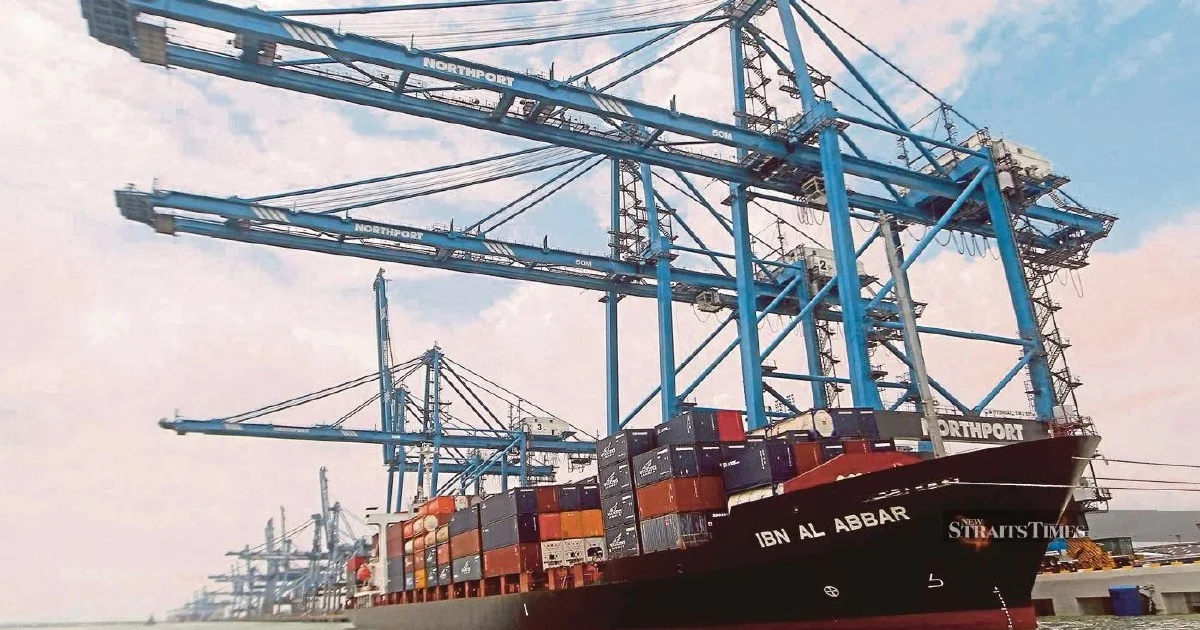
Port Klang 3 represents a substantial expansion of the nation's primary maritime gateway, which handles the majority of the country's containerised cargo and remains one of Southeast Asia's busiest transhipment hubs. The proposed facility is designed to augment capacity at the existing port complex and address the growing volume of international trade flowing through Malaysian waters. As global supply chains increasingly depend on efficient port operations, the project carries significance well beyond Klang Valley commerce.
The land question has emerged as a central constraint to project advancement. Negotiations between federal authorities and the Selangor state government have centred on securing and clarifying tenure of the sites required for the Port Klang 3 development. Such disputes are not uncommon in Malaysia's federal-state relationship, where land falls under state jurisdiction while national infrastructure projects often require federal coordination. The resolution process typically involves identifying alternative sites, securing formal agreements, or negotiating compensation arrangements that satisfy both levels of government.
The timing of Loke's announcement carries commercial implications. Stakeholders including shipping lines, freight forwarders, and logistics operators have been watching the project's progress closely, as additional port capacity directly affects shipping costs and service reliability across the region. Delays in port expansion can push vessels to use alternative facilities in Singapore, Penang, or other regional ports, affecting Malaysia's share of container traffic and associated revenue.
Port Klang currently operates three terminals and handles approximately 60 per cent of Malaysia's total container traffic. Despite its dominance, capacity constraints have become more apparent as containerised trade volumes have expanded. The port's strategic position along major East-West shipping lanes makes efficiency improvements valuable not only to Malaysia but to the broader regional maritime sector relying on reliable transhipment options.
The resolution of land matters will likely involve engagement with private stakeholders holding property interests in potential development zones. Port development in heavily urbanised areas like Klang invariably requires coordination with residential communities, industrial operators, and existing port users. Such consultations can extend timelines significantly but are necessary to manage social and environmental concerns.
Loke's optimism about proceeding this year reflects confidence that negotiations are advancing constructively. The minister's public commitment also signals to investors and international partners that Malaysia remains committed to enhancing its port infrastructure despite administrative complexities. For companies with operations throughout Southeast Asia, Malaysian port reliability directly influences their supply chain economics.
The broader context matters here. Regional ports in Singapore, Thailand, and Vietnam have invested substantially in expansion and digitalisation in recent years. Malaysia's port infrastructure, while significant, faces competitive pressure to modernise and increase throughput capacity. Port Klang 3 represents an opportunity to maintain Malaysia's relevance as a regional logistics hub and to capture greater value from the maritime trade transiting through Southeast Asian waters.
If construction does commence this year, the project would likely span several years to completion. Port development requires substantial lead times for procurement of specialised equipment, environmental clearances, and construction sequencing that minimises disruption to existing operations. The investment required will be considerable, potentially drawing on financing partnerships between government bodies, port operators, and private investors.
The economic implications extend beyond Port Klang itself. Enhanced port capacity supports related industries including shipping agencies, terminal services, cargo handling, warehousing, and customs logistics. Regions throughout Malaysia and neighbouring countries benefit from improved efficiency in moving goods to and from markets. For traders competing in global markets, the difference between a port with adequate capacity and one with constraints can determine profitability margins.
Loke's statement, while conditional on resolving land issues, represents a meaningful signal that the administration views Port Klang 3 as a priority within its infrastructure development agenda. The minister's willingness to provide a specific timeline, even with caveats, suggests that federal and state officials are engaged seriously in finding solutions. Success in this project would demonstrate Malaysia's ability to deliver transformational infrastructure despite the complexity of coordinating between governmental levels.
The coming months will be crucial. How quickly the land matters are resolved will determine whether Port Klang 3 actually commences construction in 2024 or faces further postponement. For Malaysia's maritime sector and the broader regional economy, completion of this project would represent a meaningful competitive advantage in managing the increasingly sophisticated requirements of modern international commerce.