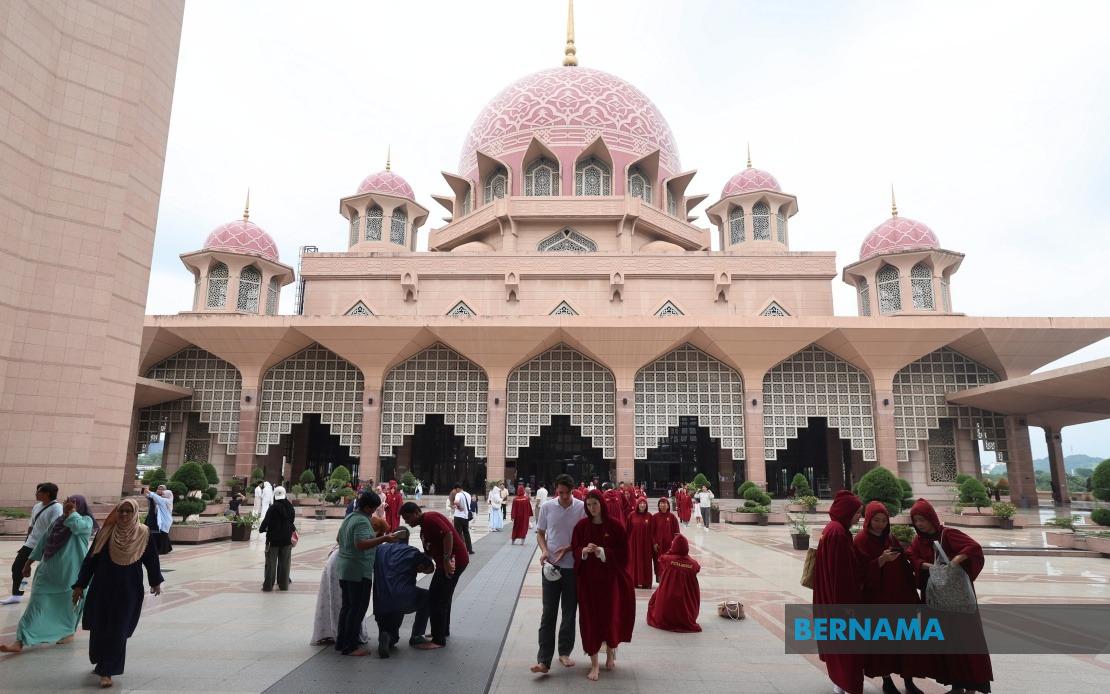
Putrajaya's iconic Putra Mosque will serve as the venue for Malaysia's National Maal Hijrah celebration this year, drawing approximately 5,000 attendees from across the country and abroad. The observance of Maal Hijrah, which marks the Islamic New Year and commemorates Prophet Muhammad's migration from Mecca to Medina, represents one of the nation's key religious occasions. Sultan Nazrin Shah of Perak will preside over the event and deliver remarks, lending royal significance to the gathering that reflects Islam's deep cultural roots within Malaysia's constitutional monarchy framework.
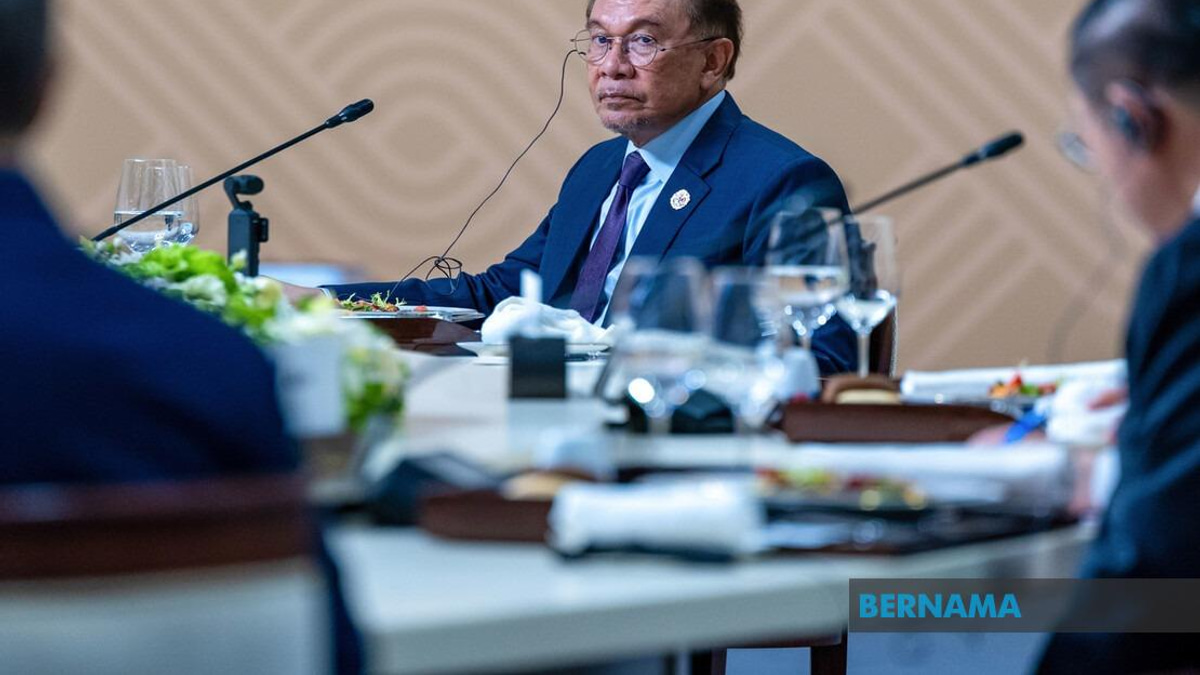
The ceremonial proceedings will attract considerable political and diplomatic representation. Both Deputy Prime Ministers Datuk Seri Ahmad Zahid Hamidi and Datuk Seri Fadillah Yusof are confirmed attendees, alongside multiple Cabinet ministers, foreign envoys, departmental heads and ranking civil servants. This breadth of participation underscores how Malaysia's government employs religious observances as occasions for fostering national unity and reaffirming the state's commitment to Islam's advancement within a multicultural context. The presence of international dignitaries equally signals Malaysia's role in promoting Islamic civilisation on the global stage.
Central to the day's agenda is the presentation of the National and International Tokoh Maal Hijrah Awards, honouring individuals who embody exceptional scholarly knowledge, moral character and meaningful service to Islam's development worldwide. These accolades recognise not merely theoretical expertise but practical contributions demonstrating how Islamic principles translate into tangible societal benefit. Recipients span diverse sectors including education, healthcare, social welfare and interfaith dialogue, reflecting a holistic understanding of Islamic engagement beyond purely religious domains.
The Department of Islamic Development Malaysia (JAKIM) deliberately selected this year's commemorative theme to reconnect Malaysian Muslims with the philosophical essence underlying the Hijrah narrative. Rather than treating the historical event as distant memory, JAKIM positioned it as an ongoing spiritual principle encouraging believers to embrace transformative change aligned with Islamic values. This interpretative approach resonates particularly in contemporary Malaysia, where Muslims navigate rapid modernisation while maintaining religious identity and ethical grounding.
Innovatively, organisers introduced the Tausiyyah @ Maal Hijrah programme during the preceding day's proceedings at the same venue. This reflective session centred on tadabbur, the Islamic practice of contemplating Quranic meanings rather than merely reciting text phonetically. Participants heard accomplished qari perform classical renditions while religious scholars unpacked the contextual wisdom embedded within specific verses. This pedagogical model encourages Muslims to transition from passive consumption of religious content to active intellectual and spiritual engagement, applying scriptural guidance to concrete life circumstances.
The integration of Quranic reflection into Maal Hijrah commemorations addresses a recognised gap in contemporary Islamic practice across Southeast Asia. Many Muslims, particularly younger generations, encounter the Quran through memorisation programmes or ritual recitation without necessarily internalising its message architecture. By pairing aesthetic quranic performance with interpretive lectures, the Tausiyyah programme bridges this divide, appealing to both heart and intellect. Such initiatives strengthen the resilience of Islamic identity against superficial or transactional engagement.
Following the main celebration, JAKIM has scheduled the National and International Tokoh Maal Hijrah Lecture for the subsequent day at Putrajaya Islamic Complex Auditorium. This continuation allows award recipients direct platforms to distil and transmit their accumulated wisdom to assembled audiences. Rather than awards functioning as terminal recognition, they catalyse knowledge-sharing and mentorship opportunities. For Malaysian audiences, witnessing laureates articulate how Islamic principles informed their life trajectories provides concrete models beyond purely theoretical instruction.
From a regional perspective, Malaysia's orchestration of Maal Hijrah celebrations carries subtle diplomatic implications. By bringing together international guests alongside domestic participants, the nation positions itself as custodian of moderately progressive Islamic thought. Malaysia's constitutional arrangement safeguards Islam's institutional prominence while guaranteeing non-Muslim minorities religious freedom—a balance few Muslim-majority nations achieve. Events like this Maal Hijrah commemoration internationally demonstrate this framework's viability, potentially influencing policy conversations elsewhere in Southeast Asia and the Islamic world.
The choice of Putra Mosque amplifies these symbolic dimensions. As Putrajaya's architectural centrepiece and a structure representing post-independence Malaysia's aspirations, the venue embodies how the nation's leadership has institutionalised Islam within a modern nation-state framework. The mosque's iconic status transcends purely religious function, functioning as cultural landmark and tourist attraction that normalises Islam's presence within Malaysia's official landscape. Hosting 5,000 guests within its precincts transforms the structure from administrative backdrop into animated space of collective religious and national identity affirmation.
For Malaysian Muslims navigating questions about authenticity in an interconnected world, such celebrations offer reassurance that traditional Islamic learning and practice remain valued and vibrant. JAKIM's programming deliberately counters narratives suggesting Islam faces inevitable tension with modernity by demonstrating how sophisticated theological engagement flourishes alongside contemporary concerns. Award recipients embodying excellence across diverse fields exemplify this compatibility thesis, providing aspirational models for younger generations considering their own paths.
The Maal Hijrah occasion simultaneously serves statecraft functions. By assembling political, religious and diplomatic elites around shared Islamic heritage, the government reinforces its legitimacy as custodian of national Muslim interests—a claim essential to maintaining coalition stability within Malaysia's plural democracy. International media coverage of such events subtly positions Malaysia as region's Islamic intellectual hub, potentially attracting scholarly exchange and investment in Islamic education infrastructure.
Ultimately, this year's National Maal Hijrah celebration synthesises Malaysia's distinctive approach to religious governance: state-facilitated but community-rooted, internationally engaged yet domestically grounded, ceremonially formal yet spiritually substantive. As Malaysia continues navigating demographic change, economic transformation and evolving regional power dynamics, occasions like these remain crucial anchors for collective identity and national cohesion.