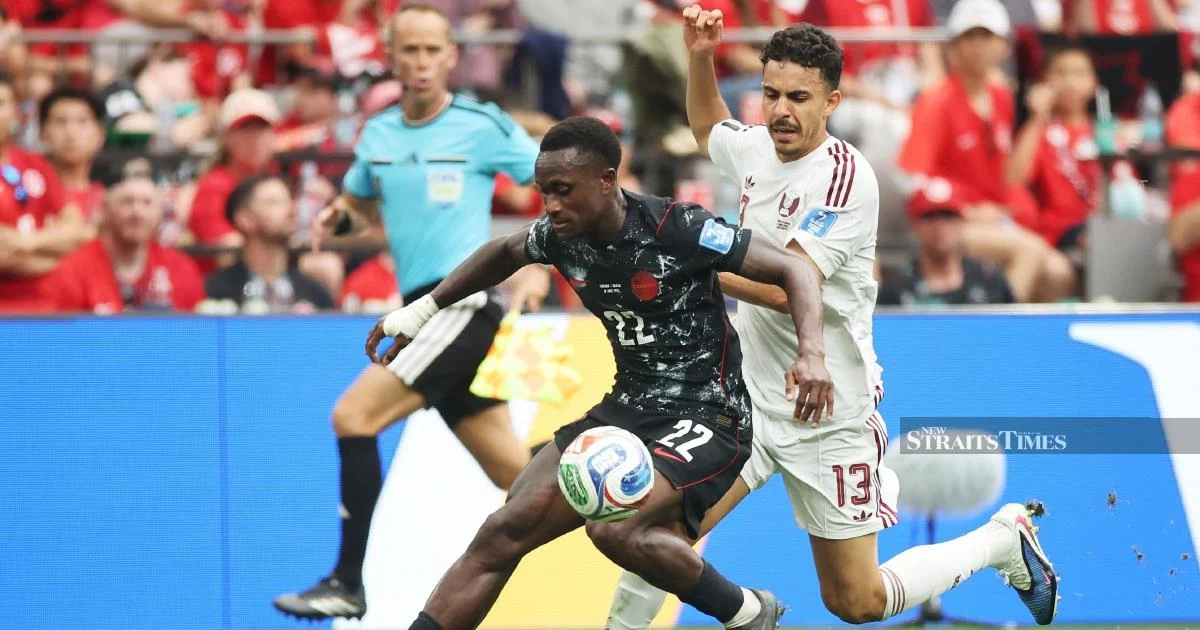
Qatar entered the 2022 FIFA World Cup as host nation with enormous financial resources and years of preparation, yet crumbled spectacularly in a 6-0 rout by Canada that became a defining moment of their campaign. The scale of the defeat resonated far beyond the tournament, prompting football analysts to reassess fundamental assumptions about how wealth translates into competitive success on the pitch.
The demolition in Doha exposed what many observers had long suspected: that spending billions of dollars on stadium construction, player recruitment, and coaching infrastructure cannot substitute for deeper structural deficiencies in youth development and domestic football culture. Qatar's approach relied heavily on importing experienced foreign players and coaches, banking on the theory that assembling premium talent and state-of-the-art facilities would rapidly transform a modest football nation into a competitive force. The Canadian victory suggested this blueprint had fatal flaws.
Football experts point to a crucial disconnect between Qatar's investment strategy and the realities of competitive national team football. Unlike club-level competitions where money can more directly influence outcomes through player transfers and facility quality, international tournaments depend on generations of player development, institutional experience, and deep-rooted football traditions. Qatar had attempted to leapfrog these organic processes through financial acceleration, an approach that ultimately proved inadequate against teams with more established football infrastructures.
The host nation's domestic league, despite lavish spending, had not developed a sustainable pipeline of homegrown talent capable of competing consistently at the highest levels. When the World Cup arrived, Qatar found itself with a squad lacking the collective experience and understanding that emerges from years of playing together in meaningful competitions. This exposed the limitations of constructing a national team primarily through the transfer market rather than building it from childhood football academies upward.
Canada's dominant performance demonstrated that competitive advantage comes from multiple sources beyond financial resources. The North American side possessed organizational coherence, tactical discipline, and a collective understanding forged through shared experiences in qualifying campaigns. Their systematic dismantling of Qatar highlighted how professional preparation and football intelligence can overcome any deficit in spending capacity.
For Southeast Asian nations observing from the sidelines, Qatar's experience offered a sobering lesson about football development strategy. Countries across the region have watched wealthier nations attempt to purchase their way to international success, often with disappointing results. Malaysia, Indonesia, Thailand, and Vietnam must recognise that sustainable football improvement requires commitment to youth systems, domestic league development, and patient institutional building rather than relying on sudden injections of capital.
The Qatar case study becomes particularly relevant as several Gulf nations continue investing heavily in football. Saudi Arabia, the United Arab Emirates, and others have undertaken massive spending initiatives, presumably hoping to replicate Qatar's World Cup hosting opportunity into broader footballing prominence. The Canadian victory suggested these nations should recalibrate expectations and timelines, understanding that competitive football requires cultural and institutional foundations that money cannot instantly create.
Furthermore, Qatar's humiliation raised questions about the sustainability of their football investments. While the nation had committed to long-term development programmes, the lack of immediate returns raised doubts about whether officials would maintain resolve and patience when results remained disappointing. Short-term political pressures often force governments to abandon carefully planned development strategies when early outcomes prove frustrating, a pattern familiar across Asia and the Gulf.
Analysts also noted that Qatar's importing strategy had inadvertently weakened domestic football institutions. By concentrating resources on the national team and world-class stadiums, the country's local league and grassroots systems remained underdeveloped. Players had less competitive domestic football to sharpen their skills, creating a hollow structure where expensive international facilities existed alongside weak foundational football development.
The broader implications extended to governance and sporting philosophy. Qatar's approach reflected a belief that football outcomes could be engineered through capital deployment, much like their general economic strategy of using oil wealth to transform society rapidly. Yet football resists such top-down manipulation more stubbornly than other sectors. The sport's competitive nature means that sustained success emerges from organic development, cultural commitment, and institutional depth—qualities that cannot be purchased regardless of available wealth.
Moving forward, Qatar's defeat suggested that sustainable football progress requires reimagining investment priorities. Rather than continuing with expensive foreign players and coaches, more emphasis should have been placed on youth academies, developing competitive domestic leagues, and establishing football culture within schools and communities. These unglamorous, long-term initiatives produce better results than headline-grabbing international signings but require patience and sustained commitment.
For Malaysia and fellow Southeast Asian nations, the message was clear: financial resources represent only one component of football development. Institutional commitment, youth development infrastructure, and cultural investment in the sport often matter more than spending power. The Canadian victory vindicated a patient, systematic approach over Qatar's shortcut strategy, offering valuable lessons for any nation serious about building genuine football competitiveness.


%22%2F%3E%3C%2Fpattern%3E%3C%2Fdefs%3E%3Crect%20width%3D%22100%25%22%20height%3D%22100%25%22%20fill%3D%22url(%23ph2xpp4g)%22%2F%3E%3Crect%20width%3D%22100%25%22%20height%3D%22100%25%22%20fill%3D%22url(%23ph2xpp4p)%22%2F%3E%3Ctext%20x%3D%2250%25%22%20y%3D%2250%25%22%20text-anchor%3D%22middle%22%20dominant-baseline%3D%22central%22%20fill%3D%22rgba(255%2C255%2C255%2C0.95)%22%20font-family%3D%22Georgia%2C%20'Times%20New%20Roman'%2C%20serif%22%20font-weight%3D%22700%22%20font-size%3D%22136%22%20letter-spacing%3D%22-0.02em%22%3EPAS-Bersa%E2%80%A6%3C%2Ftext%3E%3C%2Fsvg%3E)