An investigation into a suspected honour killing has been launched in Rajasthan's Dholpur district after two young women were allegedly murdered by members of their own family. Police say the sisters were thrown into a river near Sagarpada Bridge on the evening of June 11, with their father and several other relatives now named as suspects in the case. The tragedy underscores the persistent threat of honour-related violence in parts of India, where family members have historically resorted to extreme measures to control or punish perceived transgressions against social norms and family honour.
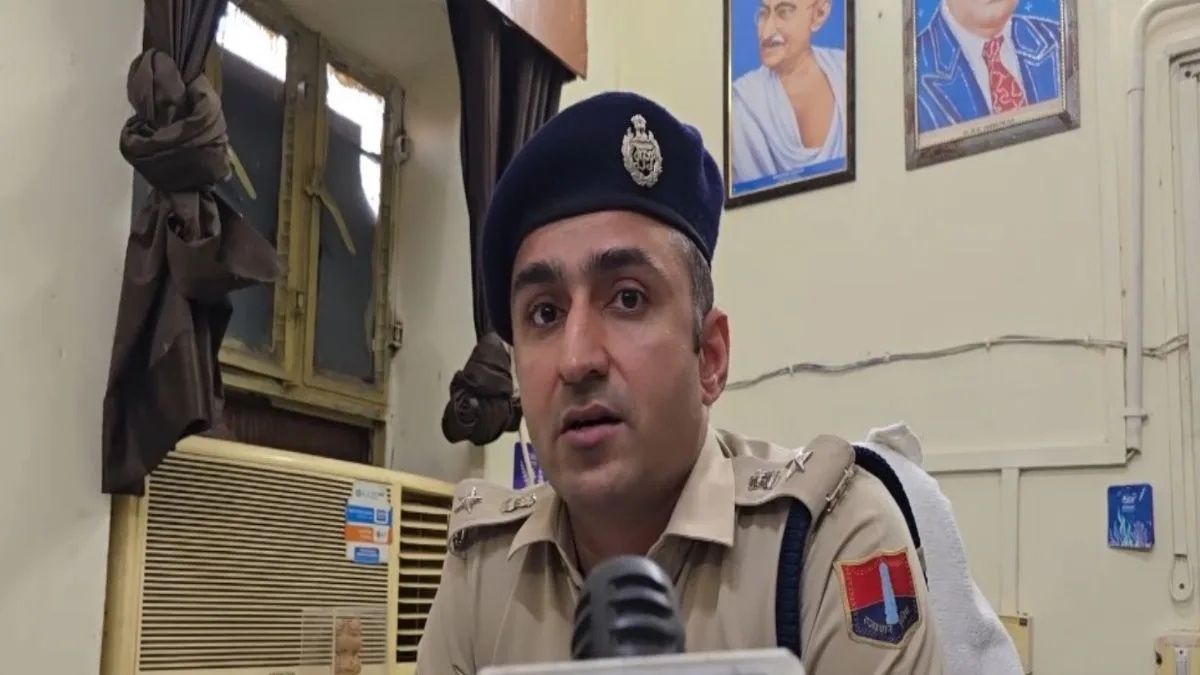
Superintendent of Police Vikas Sangwan disclosed that authorities received a report naming Bharat Lodha, a resident of Pharakpur village and father of four children, as the principal suspect in the deaths of his two daughters. Following this information, police teams immediately mobilised and travelled to the location to conduct preliminary examinations of the scene and surrounding areas. The swift response reflected the gravity with which authorities treated the allegations, recognising the potential criminality and urgency of the matter at hand.
Early enquiries point to a deeply troubling motive behind the alleged crime. Police believe that the victims were targeted specifically because they had entered into romantic relationships that their family members disapproved of and actively opposed. This revelation is consistent with documented patterns of honour killings in India, where family members, particularly fathers and male relatives, have historically sought to enforce strict control over women's personal choices, particularly regarding marriage and romantic partners. The apparent willingness of the family to resort to lethal violence in response to such relationships speaks to the extreme nature of the ideology driving the alleged crime.
According to Sangwan's statement, the incident is believed to have occurred between 9 and 10 o'clock in the evening on June 11, placing it at a time when the area would have been relatively secluded and less likely to attract witnesses. The location near Sagarpada Bridge provided what the perpetrators may have viewed as an isolated setting conducive to committing such an act without immediate detection. Police suspect that the two women were forcibly taken to the bridge and pushed into the river below, though investigators emphasised that they are still verifying the precise sequence of events.
The investigation currently focuses on reconstructing the chain of events leading up to the alleged murders and establishing the exact circumstances surrounding the crime. Police are actively seeking to determine how the victims were transported to Sagarpada Bridge, which family members or associates may have been involved in moving them, what mode of transport was utilised, and the precise route taken to the location. These logistical details are crucial to establishing criminal intent, planning, and the involvement of multiple conspirators in what authorities increasingly view as a premeditated act.
Sangwan acknowledged that while investigators have gathered preliminary information suggesting family involvement and a link to the unapproved romantic relationships, numerous aspects of the case remain unverified and subject to ongoing scrutiny. This measured approach reflects the investigative team's recognition that early conclusions must be tested rigorously before proceeding with formal charges. The superintendent noted that police teams continue to examine physical evidence from the site while conducting interviews with individuals connected to the case, including relatives and potential witnesses who may have knowledge of events leading to the tragedy.
The pursuit of an honour killing classification in this investigation carries significant legal and social implications. Under Indian law, honour killings can attract enhanced penalties and are treated as particularly heinous crimes that target fundamental human rights. By formally examining this angle, investigators signal their determination to prosecute not merely the physical act of murder, but the ideological motivation and premeditation that characterise such crimes. This approach reflects evolving jurisprudence in India that treats honour-related homicides with the seriousness they demand.
For Malaysian and Southeast Asian observers, this incident serves as a sobering reminder of violence dynamics that persist across the region, though expressed differently in various jurisdictions. While Malaysia has not witnessed honour killings on the scale documented in parts of India, the underlying issues of family control, restrictions on women's autonomy, and violence rooted in patriarchal ideology remain relevant concerns. The case illustrates how extreme manifestations of patriarchal violence can occur even in contexts where women technically possess legal rights and protections, underscoring the gap between written law and lived reality in many communities.
The investigation also highlights the critical role of community reporting and police responsiveness in combating honour-related crimes. The fact that authorities received information about the alleged murders suggests that someone in the community—perhaps a relative, neighbour, or acquaintance—came forward with details, enabling rapid police mobilisation. This cooperative dynamic between citizens and law enforcement is essential for disrupting patterns of honour-related violence that often occur within family units and might otherwise remain hidden from external scrutiny.
Police authorities have stated that formal legal action will be initiated once the ongoing investigation reaches its conclusions and sufficient evidence has been gathered to support charges. Given the seriousness of the allegations and the apparent involvement of multiple family members, prosecutors will likely pursue charges of murder under various sections of India's Penal Code, potentially including provisions that address conspiracy, premeditation, and culpable homicide. The outcome of this investigation will have implications not only for the families involved but also for how courts approach honour-related violence cases in Rajasthan and beyond.
The case raises urgent questions about the effectiveness of current protective mechanisms for vulnerable individuals, particularly young women whose romantic choices put them at odds with family expectations. Women's rights advocates across India and South Asia have long argued that legal frameworks protecting women from honour-related violence remain inadequate and that community-level interventions are essential. This investigation will likely contribute to broader discussions about how societies can better protect individuals—especially women and girls—from violence perpetrated by those closest to them, even as it brings a measure of justice to the families affected by this tragedy.