The Royal Malaysian Air Force is moving ahead with a comprehensive radar modernization programme, positioning new air defence and surveillance systems at four strategically important locations nationwide. The development underscores the service's determination to maintain operational effectiveness across the country's vast and complex airspace, addressing long-standing gaps in early warning capability that have constrained its ability to monitor and respond to aerial activity in real time.
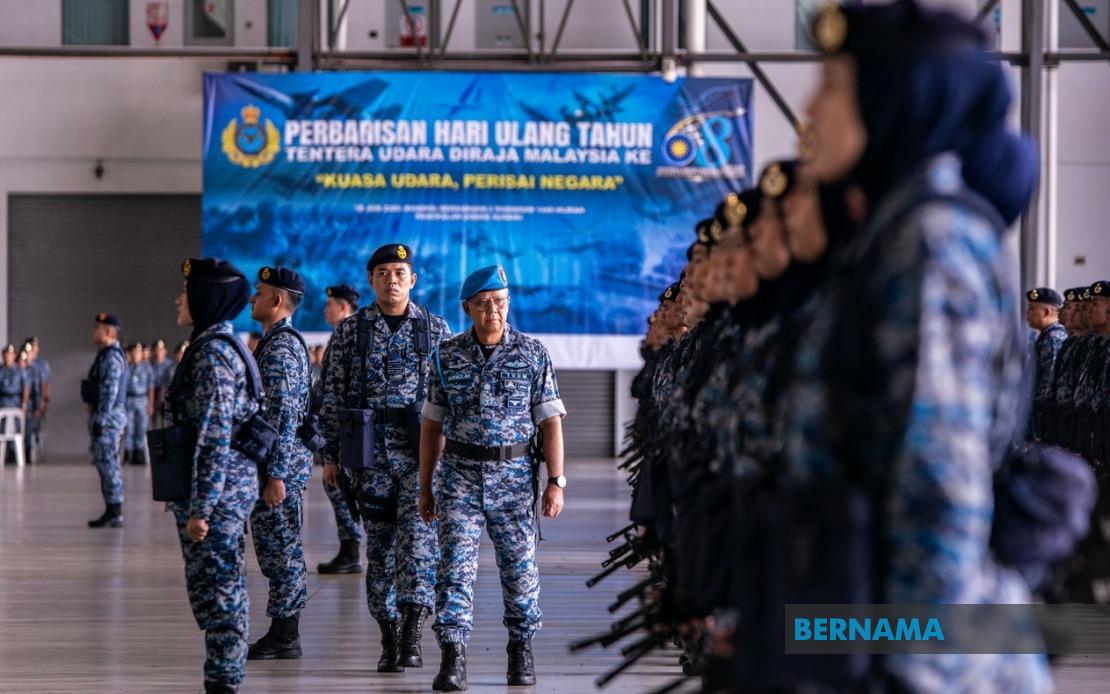
General Tan Sri Muhamad Norazlan Aris, who leads the air force, outlined the initiative during the RMAF's 68th Anniversary Parade in Subang on June 18. The deployment encompasses air defence radar installations at Bintulu in Sarawak, Bukit Puteri in Terengganu, and Bukit Lunchu in Johor, complemented by an air surveillance radar on Pulau Layang-Layang, the lone inhabited Malaysian island in the South China Sea. Together, these systems represent a significant leap forward in the force's ability to detect, track, and respond to potential threats across Malaysia's maritime and terrestrial domains.
The radar initiative forms the opening phase of the RMAF Capability Development Plan 2055, an ambitious roadmap designed to ensure the service remains aligned with emerging technologies and the shifting character of regional security threats. By extending detection capability to previously under-monitored zones, the air force aims to eliminate blind spots that adversaries or unauthorised actors might exploit. The timing reflects growing regional complexity, where conventional military competition intersects with non-traditional security concerns ranging from unmanned systems to sophisticated surveillance operations.
General Muhamad Norazlan framed the radar programme within a broader context of international volatility. The ongoing conflict in West Asia serves as a stark reminder of the speed and severity with which geopolitical tensions can destabilize global systems that Malaysia depends upon. Disruptions to Sea Lines of Communication through the Strait of Hormuz cascade through energy markets and supply chains worldwide, with direct implications for Malaysian importers, exporters, and consumers. The general highlighted how such distant conflicts have tangible consequences for a trade-dependent economy like Malaysia, reinforcing the case for robust air and maritime defence postures.
Malaysia's position as a maritime trading nation makes the security of its chokepoints—particularly the Strait of Malacca and the South China Sea—a matter of existential economic importance. These waterways funnel trillions of dollars in annual trade and remain critical to regional stability. The radar network expansion reflects official recognition that maintaining sovereign control over Malaysia's airspace, and sustaining the security environment necessary for unimpeded commerce, requires investment in detection and response capability. Without reliable early warning systems, the air force would operate largely blind to intrusions, making deterrence and rapid response impossible.
The South China Sea placement of a surveillance radar on Pulau Layang-Layang carries particular significance given the waters' contested status and the competing claims of multiple nations. Establishing Malaysian surveillance infrastructure on a populated island demonstrates active administrative presence and reinforces Malaysia's claim to the territory. It also extends Malaysia's ability to monitor activities—both military and commercial—across a strategically vital region where geopolitical tensions remain elevated despite occasional periods of apparent calm.
Beyond the technical dimensions, the radar programme exemplifies how long-term military planning must balance immediate budgetary pressures against future operational requirements. The CAP55 framework signals that the air force leadership recognises Malaysia cannot afford to fall behind in air defence technology if it wishes to maintain deterrent credibility and protect national interests. Competing defence priorities across the Malaysian security establishment make such multi-year commitments politically challenging, yet the air force has secured approval to proceed.
The implementation of CAP55's first phase also reflects lessons drawn from regional air forces that have invested in modern radar networks. Countries like Singapore, Thailand, and Indonesia have modernized their surveillance capabilities, partly in response to the same regional dynamics that concern Malaysian planners. Malaysia's expansion follows a similar strategic logic: early detection of aerial incursions buys time for scrambling interceptors and coordinating responses, while providing intelligence that informs policy decisions during crises.
During the parade ceremony, General Muhamad Norazlan presented service medals and commendation certificates to 17 personnel, acknowledging individual contributions to the force's operations. The event, themed 'Kuasa Udara, Perisai Negara'—which translates to 'Air Power, National Shield'—featured 16 officers and 272 personnel organized into four composite flights representing specialised units including the RMAF Special Forces, the ground-based air defence element, women's personnel, and multi-trade support functions. The parade composition reflected the air force's increasingly joint and integrated operational approach, emphasizing that modern air defence is not merely a matter of fighter jets but encompasses ground operations, logistics, and specialized capabilities.
The radar deployment timeline remains undisclosed, though the characterization of these installations as phase one of CAP55 suggests additional infrastructure projects will follow. Funding arrangements and potential foreign partnerships for system integration and training have not been publicly detailed, areas that Malaysian defence observers will monitor closely. The initiative demonstrates that despite budgetary constraints facing Malaysia's defence sector, the air force continues to advance modernization priorities it deems operationally essential.
For Malaysia and other Southeast Asian nations, the RMAF radar programme exemplifies a broader regional trend toward strengthened air surveillance and maritime domain awareness. As great power competition intensifies in Asia-Pacific waters and airspace, smaller nations like Malaysia seek to enhance their own capability to monitor activities within their jurisdictions, resist coercion, and maintain freedom of action. The radar network does not resolve underlying strategic dilemmas facing Malaysia, but it meaningfully improves the air force's operational foundation for defending the country's airspace and supporting broader national security objectives in an era of multiplying threats and rising geopolitical complexity.