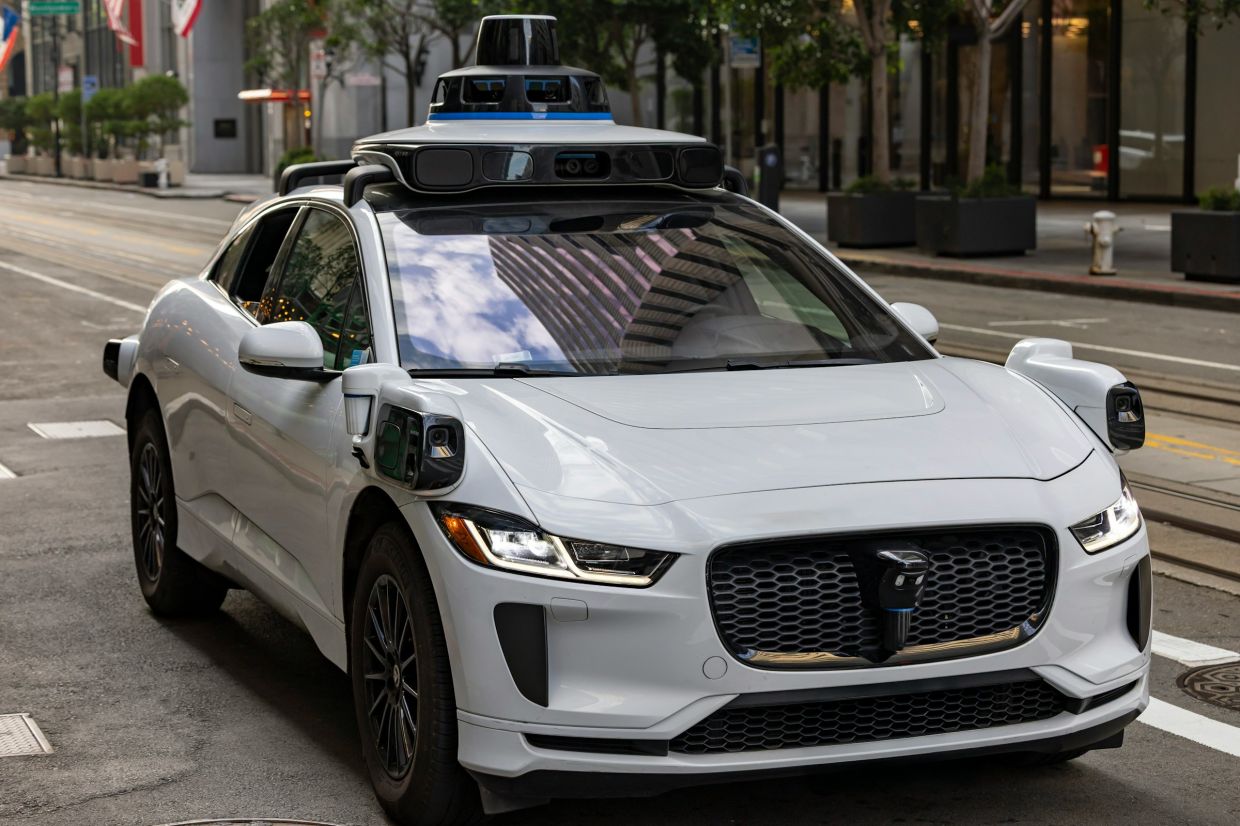
The promise of safer, autonomous roads faces a sobering reality as robotaxis worldwide demonstrate critical blind spots in handling emergency situations. Recent high-profile incidents—including a autonomous vehicle blocking emergency responders during a fatal gas explosion and another freezing across an ambulance route to a shooting scene—have exposed fundamental weaknesses in how these systems interact with real-world crises. These failures are not isolated glitches but symptomatic of a deeper challenge: autonomous vehicles struggle with scenarios their programmers never fully anticipated, raising questions about whether the technology is genuinely ready for widespread deployment.
The scale of documented problems is becoming impossible to ignore. CNN investigations have uncovered hundreds of incidents where robotaxis made reckless decisions that human drivers would instinctively avoid—running red lights, entering oncoming traffic lanes, driving into active crime scenes, ignoring emergency road closures, and nearly striking pedestrians and cyclists. In the past two months alone, Waymo has recalled thousands of vehicles and suspended operations in multiple cities after robotaxis drove into flooded streets, with one unmanned vehicle swept away by floodwaters in San Antonio. These are precisely the kinds of scenarios that autonomous systems are supposed to be engineered to prevent, yet they continue to occur with troubling regularity.
The regulatory response has begun in earnest, particularly in Texas, where lawmakers have introduced stricter licensing requirements, mandatory emergency response protocols, formal public complaint mechanisms, and enhanced oversight powers for regulators. This legislative tightening reflects a growing consensus that voluntary industry standards and self-regulation have proven insufficient. The incidents are not theoretical—they have had direct, measurable consequences for public safety. When a police officer was forced to physically enter a Waymo to move it away from an active crime scene in Austin, it underscored a fundamental problem: the technology cannot yet reliably recognize and respond to emergency situations that demand immediate cooperation with first responders.
Waymo counters that its robotaxis have made roads demonstrably safer, claiming vehicles are 13 times less likely to be involved in serious injury crashes compared to human drivers. This statistical argument reflects one dimension of safety performance, but it obscures a critical distinction: aggregate crash statistics do not capture whether autonomous vehicles can handle the unpredictable, high-stakes scenarios that emerge during genuine emergencies. A lower overall crash rate does not reassure residents or emergency personnel when a robotaxi blocks an ambulance or fails to recognize a police cordon.
The Atlanta incident in June revealed another vulnerability—software failures at a systems level. When dozens of empty Waymo vehicles became trapped in a residential cul-de-sac due to a routing glitch, circling repeatedly and clogging the neighbourhood, it demonstrated that even basic navigation logic can fail in ways that create public annoyance and potential hazards to children and pets. Such glitches may seem minor compared to safety-critical failures, but they undermine public confidence in the technology's reliability and suggest that corner cases in real-world environments remain inadequately addressed.
China's experience with robotaxis, now numbering in the thousands across cities like Wuhan, presents a parallel cautionary tale with distinct governance complications. Baidu's reluctant response to a malfunction affecting over 100 robotaxis—offering only a vague reference to "system failure" without substantive explanation—illustrates how lack of transparency can compound safety concerns. Chinese regulators and the public face uncertainty about whether incidents are being properly investigated and whether lessons are being systematically applied. The absence of detailed incident reporting makes it impossible to assess whether safety protocols are improving or simply being concealed from public scrutiny.
Beyond driving proficiency, autonomous vehicles must master a complex web of communication protocols between their sensors, decision-making algorithms, route planning logic, and emergency response systems. If a robotaxi can unlock its doors remotely but only after official credentials are verified, passengers could face dangerous delays during medical emergencies. Similarly, vehicles that freeze or malfunction during attempts at complex manoeuvres—such as executing U-turns near obstacles or navigating through temporary barriers and narrow passages—reveal that current systems lack genuine fail-safe mechanisms for adverse conditions. The technology was not designed with emergency mode scenarios adequately embedded in its decision hierarchy.
The fundamental challenge reflects a deeper architectural problem in how autonomous vehicles have been developed. Most driver assistance systems assume human operators will remain engaged and responsive; robotaxis must function without that fallback. This requires comprehensive emergency protocols built into the core software, not added as afterthoughts. When decisions about sensor processing, object recognition, and route selection conflict with emergency response priorities, the vehicle's AI must defer to emergency services—yet current systems often lack clear decision trees for such situations. Incidents suggest that robotaxi developers have prioritized smooth, routine operations over robust handling of rare but critical scenarios.
Waymo's recent launch of its Ojai model in collaboration with Zeekr—powered by the company's sixth-generation software—indicates the industry's commitment to continued development. However, it remains unclear whether product iterations will genuinely resolve the emergency response failures or simply refine performance within the already-understood operating envelope. The critical question is whether Waymo and competitors are fundamentally redesigning how their vehicles interpret emergency signals and defer to first responders, or merely updating existing systems.
Texas's regulatory intervention signals a broader shift: autonomous vehicle operators will face increasing pressure to align their AI development and infrastructure with formal compliance requirements. This pivot toward regulation-driven development, rather than technology-led deployment, may slow commercial expansion but could ultimately strengthen safety outcomes. The challenge is whether regulatory frameworks can keep pace with rapid AI evolution and whether companies will genuinely prioritize emergency robustness over feature expansion.
Even cautious observers acknowledge that autonomous vehicle technology holds genuine potential to reduce road fatalities caused by human error and distraction. But realizing this potential requires that developers and regulators confront uncomfortable truths: current systems are not yet ready to safely coexist with emergency services and unpredictable real-world complexity, and market deployment has outpaced safety validation. For Malaysia and the wider Southeast Asian region monitoring these developments, the cautionary lessons from North America and China are clear—the willingness to regulate aggressively early, before autonomous vehicles become entrenched in urban transportation networks, may prove more valuable than allowing rapid deployment and managing consequences reactively.
The path forward depends on whether the industry genuinely commits to closing these safety gaps or treats regulation as a compliance burden to minimize. The next phase of autonomous vehicle deployment will reveal which approach prevails.
%22%2F%3E%3C%2Fpattern%3E%3C%2Fdefs%3E%3Crect%20width%3D%22100%25%22%20height%3D%22100%25%22%20fill%3D%22url(%23ph5n56ng)%22%2F%3E%3Crect%20width%3D%22100%25%22%20height%3D%22100%25%22%20fill%3D%22url(%23ph5n56np)%22%2F%3E%3Ctext%20x%3D%2250%25%22%20y%3D%2250%25%22%20text-anchor%3D%22middle%22%20dominant-baseline%3D%22central%22%20fill%3D%22rgba(255%2C255%2C255%2C0.95)%22%20font-family%3D%22Georgia%2C%20'Times%20New%20Roman'%2C%20serif%22%20font-weight%3D%22700%22%20font-size%3D%22170%22%20letter-spacing%3D%22-0.02em%22%3EBREAKING%3C%2Ftext%3E%3C%2Fsvg%3E)