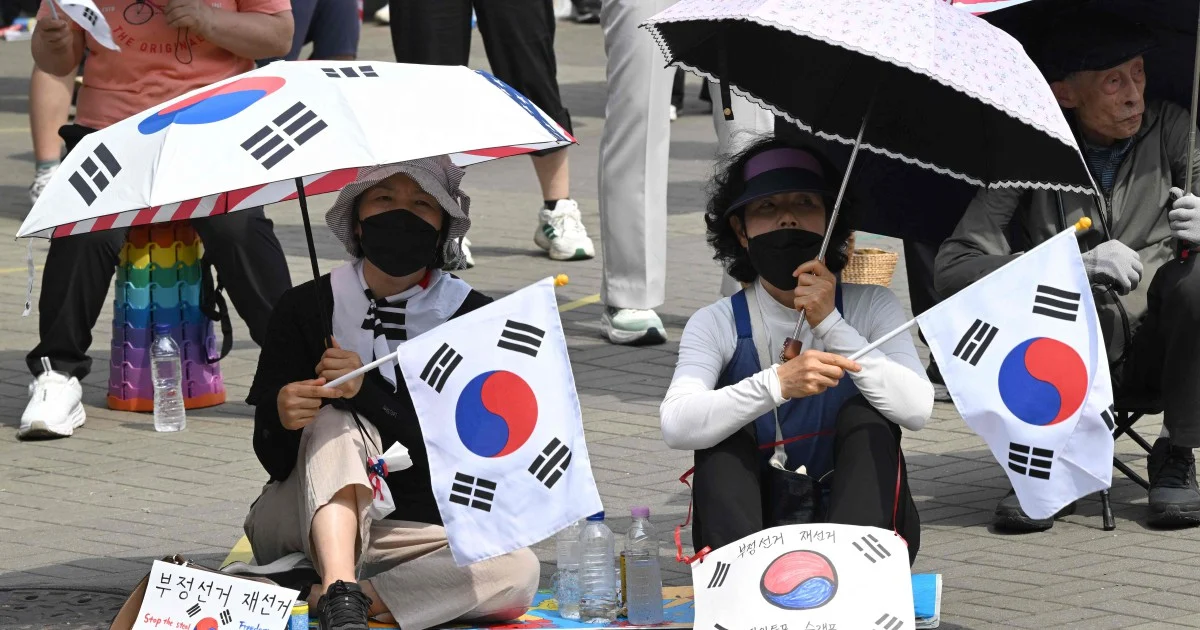
South Korea's legislature has formally commenced a 45-day parliamentary investigation into the National Election Commission, moving forward with the decision at a plenary session on Thursday. The inquiry was triggered by significant ballot-paper shortages that created disruptions during the June 3 local elections, an outcome that raised serious questions about the election management body's operational capacity and preparedness.
The ballot shortage during South Korea's local elections represents more than a procedural hiccup—it struck at the heart of the democratic process by potentially complicating voter participation and raising concerns about the integrity of the electoral administration. When voters arrive at polling stations to find insufficient ballots, the fundamental right to vote becomes compromised, either through delays, confusion, or in some cases, voters being turned away. Such incidents inevitably damage public confidence in electoral systems, particularly in a nation with South Korea's strong democratic traditions and competitive political landscape.
Parliamentary investigations of this nature are standard mechanisms in democracies for holding executive agencies accountable. The 45-day timeframe reflects the parliament's determination to conduct a thorough examination while maintaining momentum on the issue. During this period, investigators will likely examine the National Election Commission's planning processes, resource allocation, communication protocols, and contingency arrangements to determine where the system failed and why adequate ballot supplies were not available across all polling stations.
The National Election Commission, as South Korea's principal electoral authority, bears responsibility for administering fair, transparent, and efficient elections across the country. Any failure in their core functions—such as ensuring sufficient balloting materials are available—calls into question their capacity to manage the complex logistics required for nationwide voting. Such scrutiny is particularly important given that local elections determine leadership at provincial, city, and district levels, making their integrity consequential for millions of citizens.
For Malaysia and other Southeast Asian democracies, South Korea's parliamentary response to electoral administration failures offers instructive precedent. Election management bodies across the region face similar challenges in scaling operations for nationwide voting while maintaining consistency and reliability. The investigation will likely generate findings applicable to how electoral commissions in this region can strengthen their planning, forecasting, and supply-chain management.
The June 3 local elections themselves represented a significant political moment in South Korea. These elections serve as barometers of public sentiment toward the incumbent administration and shape the political landscape for upcoming national contests. When ballot shortages mar the voting process, they risk casting shadows over the legitimacy of results, even if the shortages did not ultimately determine electoral outcomes. This dynamic creates urgency for parliament to understand precisely what went wrong.
Logistical failures in election administration often stem from miscalculation of voter turnout, underestimation of demand, or poor coordination between central election authorities and regional polling stations. Some voters may require multiple ballots when voting on several measures or offices simultaneously. Seasonal factors, unexpected surges in voter participation, or printing delays can all contribute to shortages. The investigation will need to examine whether the National Election Commission's demand forecasting was inadequate, whether manufacturing or distribution timelines were misjudged, or whether coordination breakdowns occurred at the regional level.
Public accountability mechanisms, such as parliamentary investigations, serve to document what occurred, identify systemic vulnerabilities, and recommend corrective measures. Once parliament completes its 45-day review, it will likely issue findings and recommendations that the National Election Commission must address before the next major electoral event. This iterative process strengthens democratic institutions by forcing continuous improvement in electoral processes.
The investigation also carries implications for administrative reform more broadly in South Korea. If the National Election Commission is found to have significant capacity gaps, parliament may need to consider whether additional resources, personnel, or structural changes are warranted. Such decisions often influence broader debates about government efficiency and public sector investment in election management infrastructure.
For voters and civil society organizations in South Korea, the parliamentary investigation represents an opportunity to engage with electoral reform discussions. Many countries have found that robust stakeholder input—from election observers, voter advocacy groups, and academic experts—yields more comprehensive reviews and better-informed policy solutions. The outcome of this investigation will likely shape electoral administration practices for years to come.
The South Korean parliament's swift action demonstrates institutional responsiveness to democratic concerns. Rather than treating ballot shortages as an isolated incident to be explained away, lawmakers recognized the need for systematic inquiry. This approach reinforces democratic accountability and sends a clear signal to electoral authorities that operational failures will be subject to rigorous examination.
As the 45-day investigation proceeds, South Korea's National Election Commission will face detailed scrutiny of its June 3 performance and will need to demonstrate concrete steps to prevent recurrence. The final recommendations emerging from parliament will not only address the immediate ballot shortage problem but may reshape how the commission approaches election planning, staffing, resource allocation, and communication with regional authorities in future electoral cycles.