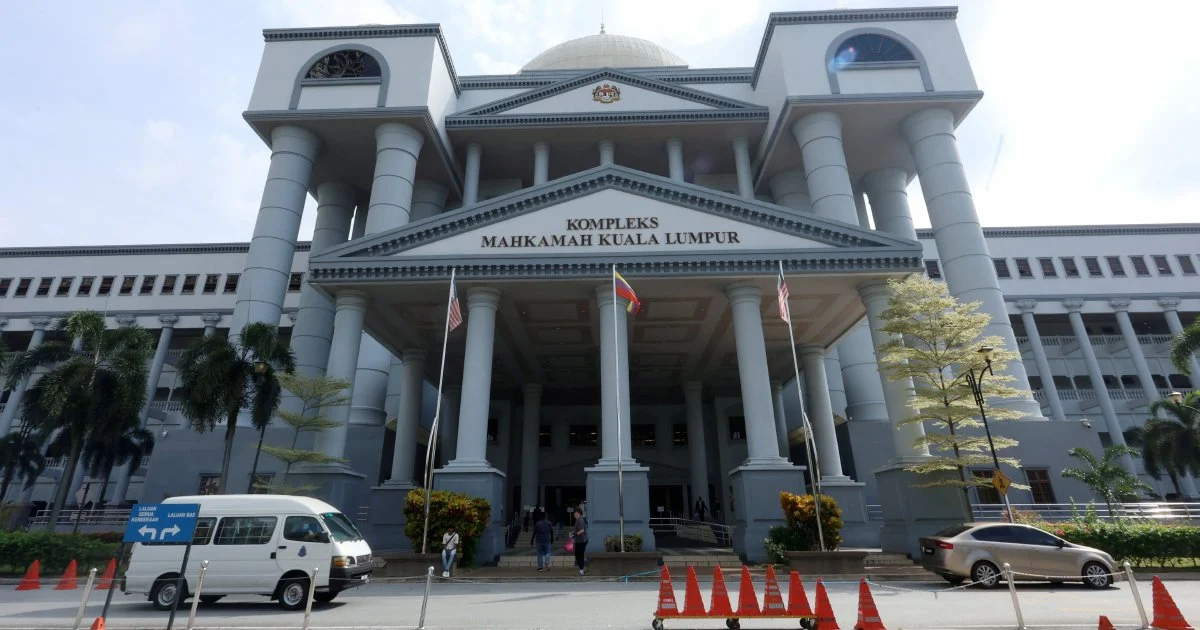
A chief executive officer of a major statutory body is facing seven corruption charges in Sessions Court, accused of soliciting and accepting bribes totalling more than RM1 million in connection with sports facility contracts. The charges represent a significant escalation in Malaysia's ongoing anti-corruption campaign, which has increasingly targeted senior officials within government-linked institutions responsible for public procurement and infrastructure development.
The case underscores persistent vulnerabilities within statutory bodies, quasi-governmental agencies that manage substantial public funds and oversee major capital projects across the nation. These institutions typically operate with considerable autonomy in procurement decisions, making them potential targets for corrupt practices if oversight mechanisms prove inadequate. The alleged offences span multiple transactions, indicating a pattern of misconduct rather than isolated incidents—a distinction that often carries heavier sentencing implications under Malaysian law.
Statutory bodies in Malaysia administer critical functions ranging from sports development and infrastructure management to social services and economic regulation. When leadership within these organisations becomes compromised by corrupt dealings, the ripple effects extend beyond financial losses to legitimate contractors. Communities expecting quality sports facilities face delayed or substandard projects, while honest businesses are undercut by competitors willing to pay bribes for lucrative government contracts. This dynamic erodes public trust in both government institutions and the broader procurement ecosystem.
The RM1 million threshold is particularly significant in Malaysian anti-corruption jurisprudence, as it typically qualifies for enhanced penalties and more intensive prosecution resources. The Malaysian Anti-Corruption Commission has demonstrated increased willingness to pursue high-profile cases involving senior civil servants and statutory body executives, partly responding to domestic anti-corruption movements and international pressure to strengthen institutional accountability. This prosecution reflects that commitment, though observers note that securing convictions against powerful officials remains challenging without ironclad evidence and cooperative witnesses.
Sports facility procurement has emerged as a recurring focus of corruption investigations across Southeast Asia. These projects involve substantial contracts, often feature discretionary decision-making, and may involve state actors, private developers, and construction firms—creating multiple opportunities for corrupt practices. In Malaysia's context, sports facility projects connected to major events, university development, or municipal initiatives frequently exceed hundreds of millions of ringgit, making them attractive targets for those seeking illicit gains through contract steering and inflated quotations.
The statutory body framework itself warrants examination. These organisations occupy an ambiguous space between public and private governance, sometimes enjoying commercial operational flexibility alongside public accountability expectations. When audit mechanisms prove insufficient or oversight boards lack independence, opportunities for misconduct multiply. The charges suggest that internal controls either failed to detect the alleged bribery or proved ineffective at preventing it, raising questions about governance standards across the statutory body sector generally.
For Malaysian businesses and contractors, cases of this magnitude serve as cautionary tales about the risks of attempting to win government work through corrupt channels. Firms discovered to have paid bribes face not merely criminal exposure but commercial devastation—debarment from government contracts, reputational destruction, and civil asset recovery actions. This chilling effect increasingly encourages legitimate competition, though surveys consistently show that contract transparency and competitive bidding remain imperfect in practice across Malaysian procurement.
Regionally, Malaysia's anti-corruption prosecutions of senior officials carry significance beyond national borders. Southeast Asian investors monitoring governance quality in the region pay attention to whether governments credibly pursue their own officials, and enforcement actions against statutory body leaders signal institutional commitment to accountability. Conversely, high-profile acquittals or case dismissals reinforce perceptions of selective prosecution or weak institutional capacity, potentially deterring investment in countries perceived as institutionally fragile.
The coming trial will likely illuminate how bribery schemes operate within statutory bodies, revealing payment channels, intermediaries, and decision-making processes that enabled misconduct. Court testimony may expose whether colleagues or supervisory boards displayed awareness of suspicious transactions, and whether existing audit trails and financial controls proved adequate. These details carry implications for how other statutory bodies structure their internal controls and governance frameworks going forward.
Malaysia's broader anti-corruption agenda depends substantially on public confidence that enforcement treats all officials equally regardless of rank or position. Prosecutions of statutory body CEOs demonstrate that agencies are willing to pursue powerful figures, yet critics argue that genuine accountability requires similar energy applied to political figures and their associates. The outcome of this trial may therefore influence perceptions of whether Malaysia's anti-corruption apparatus represents genuine institutional commitment or selective targeting of bureaucratic opponents of ruling coalitions.
The specific statutory body involved and the nature of the sports facilities at issue remain central to understanding the broader context of these charges. Whether the bribes related to facility construction quality, contract awards for maintenance and operation, or capital project management will shape the public perception of how widespread such corrupt practices may be. The prosecution's ability to demonstrate clear links between bribes paid and specific contract decisions will prove crucial in securing convictions and establishing precedent for future cases involving similar procurement scenarios.