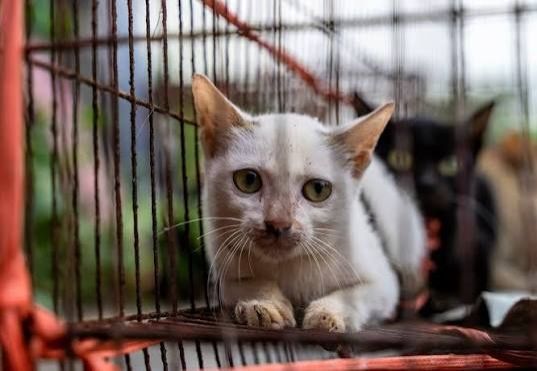
Vietnamese authorities have dealt a significant blow to a sophisticated cat-theft operation in Ho Chi Minh City, arresting nine suspects and rescuing more than 400 living cats alongside 80 preserved carcasses discovered during raids last week. The breakthrough came after police responded to persistent complaints from residents about missing pets across the southern region, leading investigators to dismantle what prosecutors describe as an organised criminal enterprise dedicated to systematic animal abduction. Already, more than 40 of the rescued felines have been successfully returned to their grateful owners, according to animal welfare organisation Humane World for Animals, which credited law enforcement with taking swift and decisive action.
The scale of the operation underscores a troubling reality in Vietnam's pet-owning communities. According to the official newspaper of the Ho Chi Minh City police, the arrested individuals had spent three years methodically luring and trapping cats throughout southern Vietnam, building an extensive supply network apparently designed to serve the animal meat trade. Beyond the primary facility where authorities recovered the bulk of the animals, investigators located a separate location containing an additional 21 cats, suggesting the criminal group operated multiple distribution points. The sheer volume of animals involved—exceeding 500 across all sites—points to an enterprise far more sophisticated than opportunistic theft, instead indicating a commercialised operation with established collection and storage infrastructure.
While Vietnam's legal framework technically permits the consumption of dog and cat meat, regulatory requirements exist to prevent exactly the kind of abuses this bust exposed. Vietnamese law mandates that vendors obtain proper documentation certifying the legitimate origin of any animals sold for consumption, a requirement designed to prevent stolen pets from entering the food supply. The apparent disregard for these regulations by the arrested suspects transformed what might have appeared as a legal activity under Vietnamese law into a criminal matter centred on theft and trafficking. This distinction matters significantly for regional animal welfare advocates, as it demonstrates that even in jurisdictions where such consumption is permitted, there remain legal mechanisms to prevent organised criminal networks from exploiting beloved household pets.
The aftermath of the operation, however, reveals the genuine human and animal cost of such criminal enterprises. Humane World for Animals reported that approximately 100 of the rescued cats subsequently died, a grim testament to the trauma and poor conditions they endured during captivity and transportation. These deaths represent not merely statistics but individual animals subjected to fear, abuse, and neglect before ultimately succumbing to their ordeals. The trauma experienced by surviving animals extends beyond physical injuries to psychological suffering, as stolen pets torn from familiar homes face unfamiliar environments, inadequate care, and the terror of confinement. For the owners of these animals, the reunion with their pets carries bittersweet emotion—joy mixed with profound relief that their companions escaped a far grimmer fate.
Current concerns focus on the remaining rescued animals, which continue to be held at police facilities as evidence during the prosecution of the nine arrested suspects. This legal necessity, while essential for building a strong criminal case, creates ongoing welfare challenges that require immediate attention. Karanvir Kukreja of Humane World for Animals has raised concerns about the adequacy of accommodations for the detained animals, particularly regarding their vulnerability to heat stress in Vietnam's tropical climate. The animal welfare organisation has already deployed resources to address these gaps, donating food supplies and coordinating the delivery of cooling fans to prevent the cats from overheating during their continued confinement.
The operation reflects broader Southeast Asian challenges regarding animal trafficking and pet theft networks. Similar criminal enterprises operate across the region, exploiting gaps in enforcement and the profitability of capturing free-roaming animals for commercial purposes. For Malaysian readers, the case serves as a cautionary tale about the organised nature of such crimes and the need for vigilant pet ownership practices. Microchipping, secure housing, and community awareness have proven effective in other jurisdictions at reducing theft rates and facilitating the identification and return of stolen animals. The Vietnamese police success demonstrates that when resources are committed and investigations are pursued seriously, even entrenched criminal networks can be dismantled.
The arrest and prosecution of the nine suspects represents a significant enforcement victory, yet the animal welfare community recognises that achieving lasting change requires sustained commitment beyond individual operations. Humane World for Animals' continued engagement with Vietnamese authorities, providing both resources and expertise to improve animal care at police facilities, exemplifies how international organisations can support local enforcement efforts. This collaborative approach proves more effective than adversarial approaches in jurisdictions where animal welfare infrastructure remains underdeveloped. As the criminal case proceeds through Vietnam's legal system, the outcomes will likely influence how authorities prioritise animal trafficking investigations in future cases.
For pet owners throughout Southeast Asia, this incident underscores the vulnerability of beloved companions to organised crime. The three-year span of the Vietnamese operation suggests that such criminal activity can persist undetected for extended periods before authorities intervene. Community vigilance, rapid reporting of missing pets to both local authorities and animal welfare organisations, and participation in information-sharing networks can help identify patterns that might otherwise escape notice. The successful identification and prosecution of this case depended partly on the cumulative reporting of multiple pet thefts rather than isolated incidents, highlighting how community engagement creates the intelligence foundation upon which law enforcement can build investigations.
Looking forward, the case raises important questions about balancing legal food production practices with animal welfare and crime prevention. While Vietnam's laws permit cat and dog meat consumption, the requirement for origin certification creates an enforcement mechanism that could theoretically prevent stolen animals from entering commercial supply chains. However, the apparent ease with which the arrested suspects operated suggests that oversight of origin documentation remains inadequate. Strengthening verification procedures, increasing penalties for violations, and improving coordination between animal welfare authorities and law enforcement could reduce opportunities for such operations to flourish. For other Southeast Asian nations considering their own animal welfare frameworks, the Vietnamese experience provides useful lessons about the importance of comprehensive regulatory systems rather than incomplete prohibition approaches.