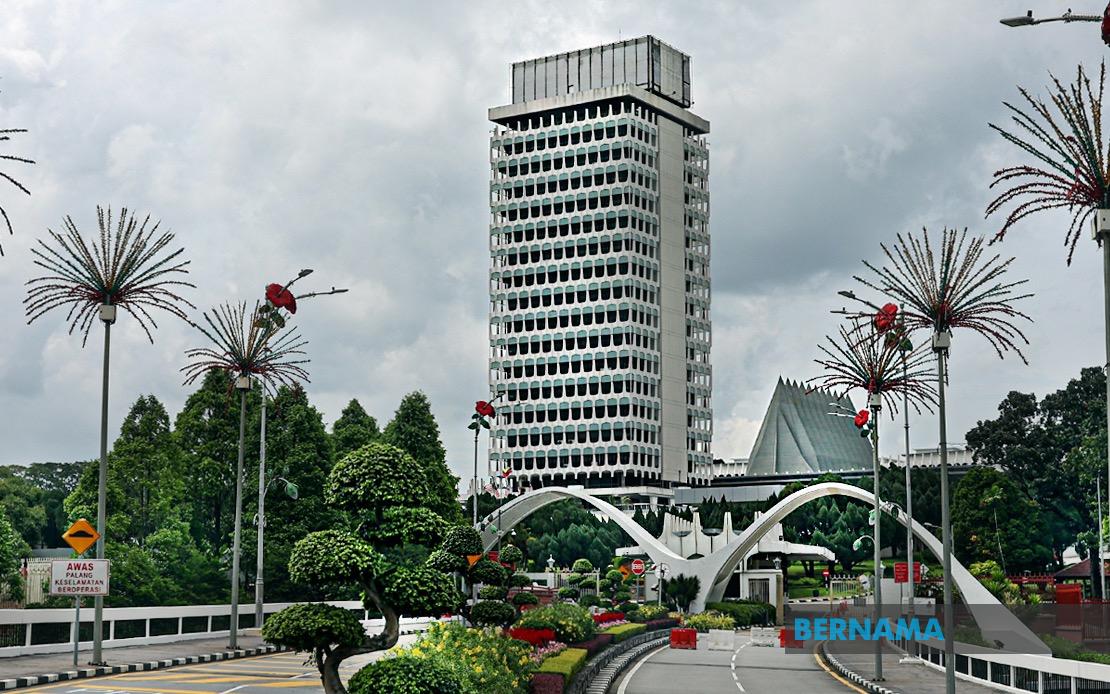
The Malaysian Parliament commenced its Second Meeting of the Fifth Session today, with economic vulnerability emerging as a central concern among legislators. Datuk Dr Richard Rapu @ Aman anak Begri from GPS-Betong placed the Strait of Hormuz at the forefront of parliamentary debate, seeking the Economy Minister's assessment of how trade disruptions in this critical waterway have reverberated through domestic industries. The question reflects growing anxiety about the exposure of Malaysian manufacturers and exporters to supply chain volatility in one of the world's most strategically important shipping lanes.
The Strait of Hormuz, which channels roughly one-third of global seaborne petroleum trade, represents a perpetual chokepoint for nations dependent on Gulf energy supplies and the efficient movement of goods through Asian markets. Malaysia, as both an energy importer and a major trading nation, faces dual exposure to disruptions in this corridor. Rapu's inquiry specifically targeted operating costs faced by local enterprises, signalling parliamentary concern that elevated logistics expenses are cascading through the economy and contributing to inflationary pressures. This concern gained additional weight as he requested the second-quarter 2026 national inflation data, suggesting lawmakers want concrete evidence of how external shocks translate into domestic price pressures affecting Malaysian households and businesses.
The questioning also extended to Malaysia's macroeconomic resilience frameworks. Rapu sought details on contingency strategies embedded within the 13th Malaysia Plan, probing whether growth targets can withstand a prolonged global economic downturn. This line of questioning underscores recognition within Parliament that the Strait of Hormuz disruption represents merely one element of a broader global economic fragmentation. Policymakers are evidently grappling with scenarios where multiple headwinds—geopolitical tensions, supply chain fragmentation, and recessionary pressures—converge simultaneously, threatening the nation's development agenda.
Beyond trade and inflation concerns, Parliament's agenda reflected the government's commitment to reforming pilgrimage management. Onn Abu Bakar from PH-Batu Pahat directed a question to the Prime Minister regarding enhancements to the haj management system scheduled for 2027. The inquiry focused on three interconnected dimensions: the cost burden on Malaysian pilgrims, the extended waiting periods that have plagued Malaysia's haj queue for decades, and safeguards for pilgrim welfare and health during the sacred journey. These concerns resonate deeply in Malaysia, where the haj pilgrimage holds profound spiritual significance and where thousands wait years for their turn to undertake the obligation.
The haj question carries political and social dimensions extending beyond administrative efficiency. Cost pressures on pilgrims reflect Malaysia's evolving economic challenges, particularly as household budgets tighten amid inflationary pressures and rising living expenses. Extended waiting periods, meanwhile, represent a systemic inefficiency that has frustrated Malaysian Muslim communities for years, with some pilgrims waiting a decade or more to fulfil this Islamic obligation. The government's commitment to reform signals recognition that improvements to the haj system constitute not merely a bureaucratic upgrade but a measure of governance responsiveness to public welfare and religious observance.
Technology and security governance also featured prominently on Parliament's opening day agenda. Wong Shu Qi from PH-Kluang raised concerns about the pending Artificial Intelligence Governance Bill, specifically questioning whether it would adequately address AI misuse scenarios including deepfake creation, identity spoofing, and non-consensual dissemination of explicit content. These concerns reflect global anxieties about AI's dual-use potential and the vulnerability of citizens, particularly women and children, to technology-enabled exploitation and defamation. Malaysia's approach to AI governance will significantly influence the digital economy's trajectory and cybersecurity posture across Southeast Asia.
Food security emerged as another critical parliamentary concern amid geopolitical tensions. Datuk Dr Radzi Jidin from PN-Putrajaya pressed the Agriculture and Food Security Minister on government interventions addressing the Middle East conflict's spillover effects on national food supplies. This questioning acknowledges Malaysia's structural vulnerability to disruptions in food supply chains originating from conflict zones. The government's multi-layered response—encompassing short-term stabilization, medium-term supply diversification, and long-term strategic development—requires transparent parliamentary scrutiny to ensure vulnerability is systematically reduced.
Parallel to these oral questions, Parliament's legislative agenda advanced significantly. The Cybercrime Bill 2026 and amendments to the Road Transport Act 1987 were scheduled for tabling, indicating the government's broad-ranging legislative programme addressing contemporary challenges from digital security to road safety. These measures demonstrate Parliament's engagement with modernisation imperatives while managing traditional governance domains.
The sitting schedule through July 16 provides a 16-day window for comprehensive parliamentary engagement with these multifaceted challenges. For Malaysian stakeholders—from manufacturers navigating global supply chains to pilgrims awaiting haj opportunities to citizens concerned about digital security—Parliament's deliberations carry tangible implications. The questions posed on the opening day establish a framework within which the government must articulate its vision for economic resilience, social welfare, and technological governance in an increasingly complex geopolitical environment. How effectively the administration addresses these concerns will influence investor confidence, public trust, and Malaysia's capacity to navigate the structural uncertainties defining the contemporary global order.
%22%2F%3E%3C%2Fpattern%3E%3C%2Fdefs%3E%3Crect%20width%3D%22100%25%22%20height%3D%22100%25%22%20fill%3D%22url(%23ph2ktr9g)%22%2F%3E%3Crect%20width%3D%22100%25%22%20height%3D%22100%25%22%20fill%3D%22url(%23ph2ktr9p)%22%2F%3E%3Ctext%20x%3D%2250%25%22%20y%3D%2250%25%22%20text-anchor%3D%22middle%22%20dominant-baseline%3D%22central%22%20fill%3D%22rgba(255%2C255%2C255%2C0.95)%22%20font-family%3D%22Georgia%2C%20'Times%20New%20Roman'%2C%20serif%22%20font-weight%3D%22700%22%20font-size%3D%22320%22%20letter-spacing%3D%22-0.02em%22%3EMuda%3C%2Ftext%3E%3C%2Fsvg%3E)