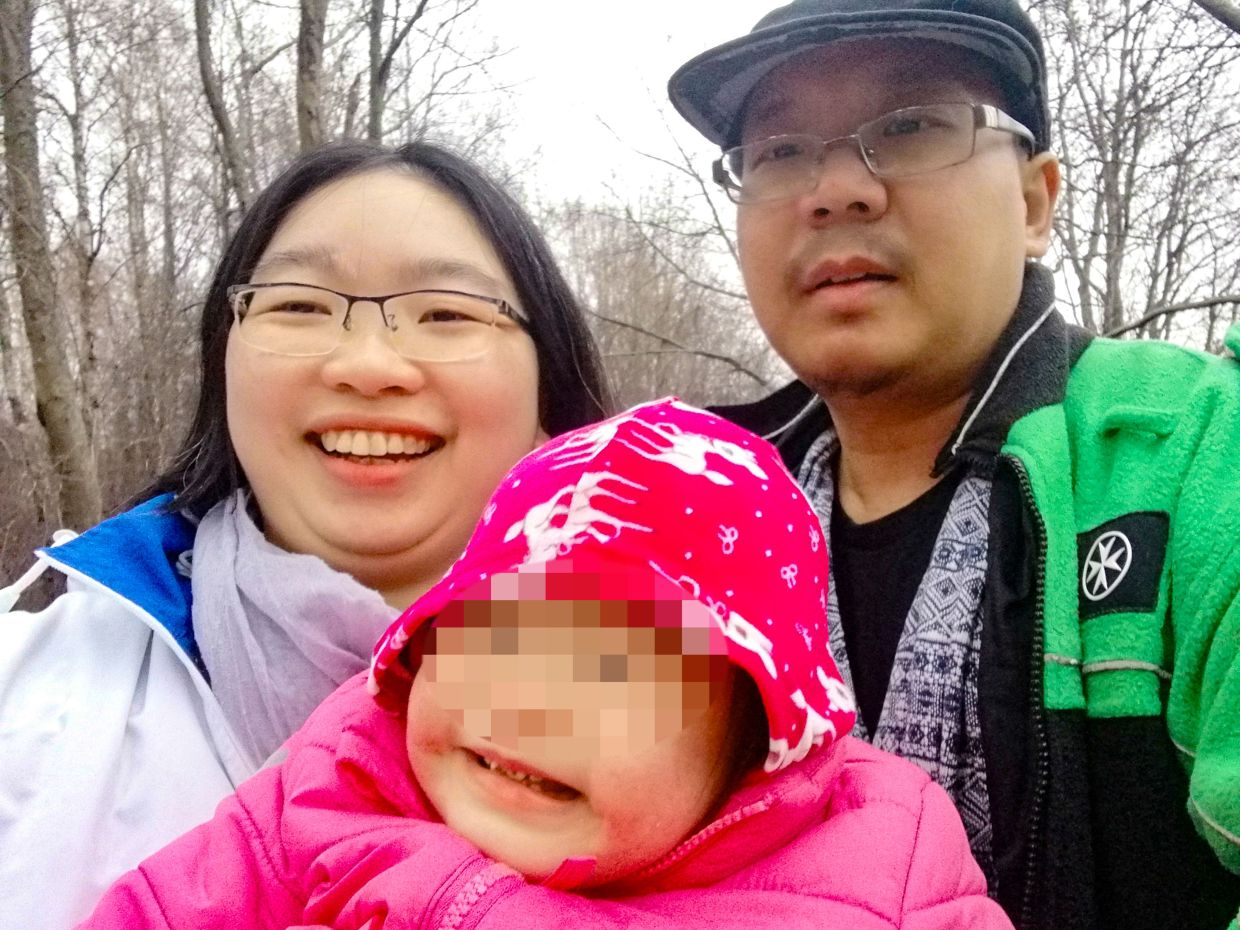
A Swedish court has dealt another setback to a Hong Kong couple's prolonged custody battle, rejecting their legal challenge against the country's social welfare authorities' decision to appoint foster parents as their daughter's legal guardians. The June 10 ruling marks the latest chapter in a complex cross-border family dispute that has drawn the attention of the couple's supporters through the "Save Lily" social media campaign, and raises difficult questions about parental rights, child welfare standards, and the challenges immigrant families face navigating different jurisdictional systems.
The Swedish Social Welfare Committee determined in an official report dated June 3 that the four-year-old girl, referred to as Lily, required protection from what it termed a "rootless and insecure existence" under her parents' care. The committee's assessment concluded that the child's best interests lay in remaining with the foster family who have provided her with consistent care since May 2024. In its formal statement, the welfare authority emphasised that every child deserves to grow up in an environment characterised by warmth, predictable daily routines, and a sense of safety—conditions the committee argued the parents had failed to provide.
The Swedish court's June 10 decision functioned as a procedural barrier rather than a substantive judgment on the merits of the case. The court determined that social welfare administrative reviews do not constitute matters subject to direct judicial challenge, effectively removing one avenue of legal recourse available to Tsang and Kwan. Instead, the court instructed the parents to await a formal guardianship decision from Swedish authorities before pursuing further legal action. This procedural ruling frustrated the couple's immediate hopes of overturning the welfare committee's recommendation before it became formally binding.
Tsang expressed deep frustration with the court's decision, telling the South China Morning Post that he was dismayed the judicial system "did not even allow us the opportunity to challenge its irrationality." His statement reflects the emotional toll this protracted dispute has inflicted on the family and their broader support network, who have channelled their efforts into the "Save Lily" campaign, documenting family photographs and legal documents on social media in hopes of mobilising public opinion toward the child's return.
The roots of this conflict extend back several years and across multiple Scandinavian countries. Lily was born in October 2021 at the couple's home in Finland, their second child. Their first daughter, also born at home, had died at one month old in 2019. When Finnish authorities declined to register Lily's birth—citing the parents' Hong Kong address and concerns about the earlier death—the family relocated to Sweden. Within months of arriving in Sweden, both parents were arrested on suspicion of money laundering, and Lily was placed under the care of Swedish social welfare authorities in December 2023. Although Swedish prosecutors eventually dropped the money laundering charges, the custody dispute continued independently of that criminal investigation.
The couple's situation has grown more complicated since their return to Hong Kong. Earlier this year, Tsang and Kwan welcomed a son, named Danny, through another home birth. However, their refusal to submit DNA testing as proof of paternity has prevented them from registering the newborn with Hong Kong's Birth Registry. This administrative impasse has triggered fresh intervention from Hong Kong's Social Welfare Department, which has assumed care of the three-month-old infant. The child's future custody hinges on assessments of the parents' parenting capabilities conducted by government social workers and decisions by the Hong Kong courts.
The couple has made efforts to demonstrate their commitment to proper childcare standards in Hong Kong. On Monday, Tsang reported that he and Kwan, working under the supervision of government social workers, brought Danny to a Department of Health maternal and child health centre for medical examination. The assessment revealed no health irregularities, suggesting at minimum that the infant's physical wellbeing has not been compromised. The Hong Kong court is scheduled to hear arguments in their case late this month, which could determine whether they retain any prospect of regaining custody of their son.
For Southeast Asian readers, this case illustrates the significant jurisdictional complexities that can arise when families with international connections encounter child welfare systems in different countries. The Swedish authorities' insistence on what they characterise as stable, predictable home environments reflects Scandinavian welfare philosophy, which prioritises institutional safeguards and professional oversight. The clash between this approach and the couple's apparent preference for home-based childbirth and private family arrangements underscores how cultural and institutional differences in child protection can create profound family separation across borders.
The prolonged nature of this dispute—stretching across Finland, Sweden, and now Hong Kong—raises questions about the adequacy of international mechanisms for resolving family law matters when parents and children are scattered across different jurisdictions. The couple's lack of success in Swedish courts, combined with their current entanglement with Hong Kong's welfare system, suggests they face formidable institutional barriers. Their reliance on social media advocacy reflects a broader pattern among families experiencing child welfare interventions: attempting to shift public opinion when formal legal channels prove ineffective.
The case also highlights the precarious position of immigrant families, particularly those without stable permanent residency. The couple's Hong Kong nationality meant they held no legal anchoring in either Finland or Sweden, making them vulnerable to systemic scrutiny and limiting their ability to establish the kinds of institutional legitimacy that welfare authorities value. Their subsequent return to Hong Kong has not resolved these underlying vulnerabilities, but rather transplanted them into a different regulatory environment with its own stringent requirements around birth registration and parental documentation.
As this family navigates separate legal systems in pursuit of custody, observers across the region will be watching to see whether Hong Kong's courts reach different conclusions from their Swedish counterparts. The cases of both Lily and Danny remain unresolved, with the couple's capacity to reunify their family depending heavily on assessments and judicial decisions currently in progress. The "Save Lily" campaign continues to circulate on social media, keeping international attention on a family separated by borders and institutional decisions.