Timor-Leste President Jose Ramos-Horta departed Malaysia early on June 17 after completing a five-day special visit aimed at reinforcing bilateral relations and deepening regional cooperation between the two Southeast Asian nations. The Nobel Peace Prize laureate and his delegation made their way to Kuala Lumpur International Airport Terminal 1 to board a Batik Air flight scheduled to depart at 2.15 am, concluding a series of high-level engagements with Malaysian political and business leaders.
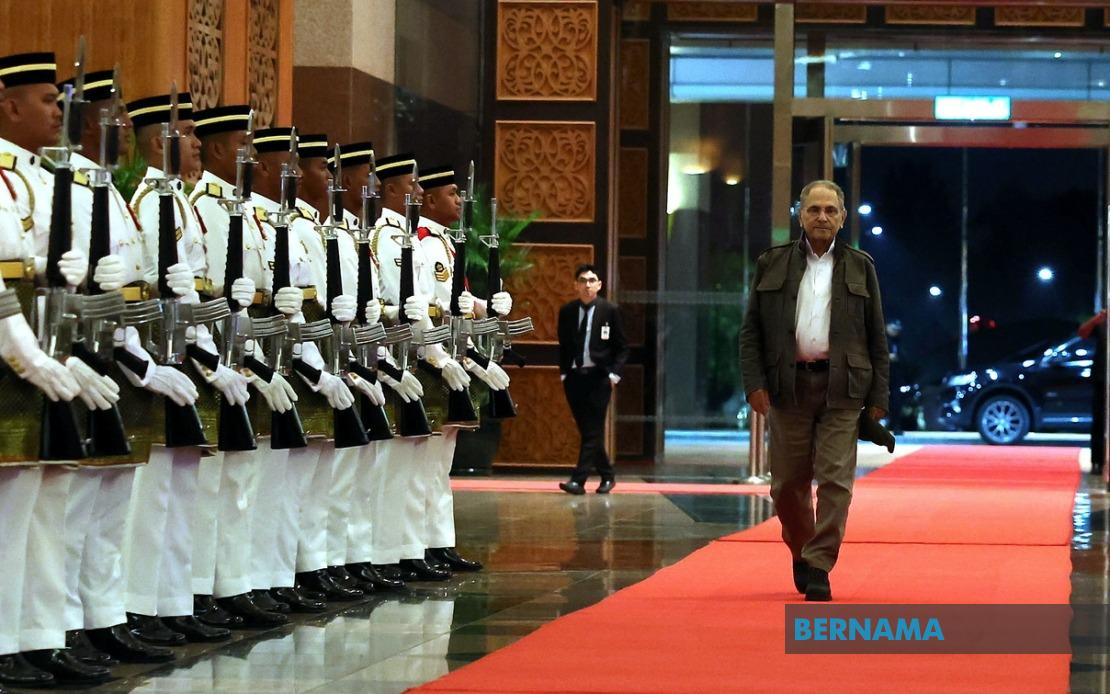
Upon arrival at the Bunga Raya Complex at KLIA at 1.33 am, Ramos-Horta was formally received with a static Guard of Honour mounted by officers and personnel from the First Battalion Royal Ranger Regiment, reflecting the diplomatic significance of the visit. The ceremonial send-off underscored Malaysia's commitment to honouring the visiting dignitary and the importance both nations place on their relationship.
During his time in Malaysia, Ramos-Horta participated in a dialogue session titled "A Changing World, Enduring Values" on June 15, where he offered an assessment of relations between Timor-Leste and Malaysia that went beyond conventional diplomatic platitudes. He characterised the bilateral relationship as "exceptionally good" and praised Malaysia's demonstrated success in maintaining security, sustaining democratic institutions, and achieving economic development—qualities that Timor-Leste itself aspires to replicate as it consolidates its position as a sovereign nation.
The Timorese leader also took the opportunity to acknowledge Malaysia's historical role in supporting Timor-Leste's independence journey, extending his gratitude for Malaysia's peacekeeping contributions during the 1999 crisis, a turbulent period that saw international intervention to stabilise the newly liberated territory. This recognition of Malaysia's past diplomatic and military commitment signalled appreciation for a relationship that predates Timor-Leste's formal independence in 2002.
Particular emphasis was placed on Malaysia's instrumental backing for Timor-Leste's path to full ASEAN membership, which reached fruition on October 26, 2025, when Timor-Leste officially became the bloc's 11th member. Ramos-Horta's gratitude for this support highlighted how Malaysia's ASEAN chairmanship played a crucial role in facilitating Timor-Leste's integration into the regional organisation, a milestone that opens new avenues for economic and security cooperation across Southeast Asia.
Looking ahead, Ramos-Horta expressed confidence in Timor-Leste's readiness to assume the ASEAN chairmanship in 2029, signalling that his government is actively expediting infrastructure and facility development to meet the hosting requirements of the regional summit. This projection underscores Timor-Leste's ambitions to play a more prominent role within ASEAN and its determination to demonstrate organisational capability on the regional stage.
Economic cooperation featured prominently in the discussions, with Ramos-Horta directly appealing to Malaysian investors to consider opportunities in Timor-Leste's infrastructure development sector. His pitch emphasised the country's favourable macroeconomic conditions, including a relatively low national debt burden and a robust sovereign wealth fund that provides financial flexibility for large-scale projects. He also highlighted the willingness of multilateral financing institutions to support development initiatives, creating a supportive ecosystem for foreign investment.
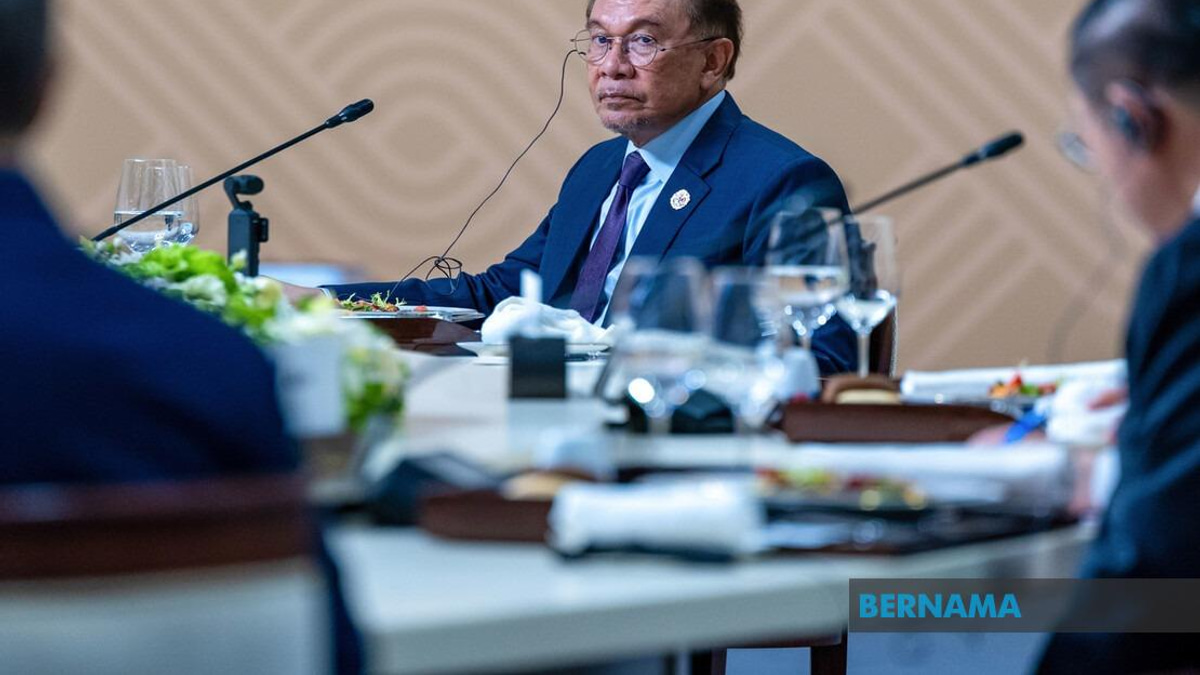
Prime Minister Datuk Seri Anwar Ibrahim hosted an official luncheon honouring Ramos-Horta at the Seri Perdana Complex, during which both leaders engaged in substantive discussions on expanding cooperation across multiple sectors. The agenda encompassed trade expansion, investment facilitation, human capital development, education collaboration, and technical training programmes—all areas where Malaysia's more developed economy and technical expertise could complement Timor-Leste's development objectives.
Current bilateral trade figures reveal an imbalanced relationship typical of exchanges between nations at different development stages. In 2024, total trade between Malaysia and Timor-Leste reached USD18.72 million, equivalent to approximately RM85.68 million. Malaysian exports to Timor-Leste accounted for USD18.37 million or RM84.06 million of this total, while Timorese exports to Malaysia stood at a modest USD0.35 million or RM1.62 million. The disparity reflects Timor-Leste's current limited manufacturing and export capacity, but the infrastructure investment push outlined during Ramos-Horta's visit could eventually broaden the basis for more balanced two-way trade.
For Malaysian policymakers and businesses, Timor-Leste presents both immediate and long-term strategic interests. In the immediate term, the country's infrastructure development needs create potential export and services opportunities for Malaysian construction firms, engineering consultants, and technical service providers. Over the longer term, as Timor-Leste develops its resource sectors and builds domestic industrial capacity, the potential for deeper economic integration within ASEAN expands considerably.
The visit also carries significance for broader ASEAN dynamics. Timor-Leste's integration as the newest member has heightened regional attention to Southeast Asian maritime boundaries and resource development in the Timor Sea, areas where Malaysia has strategic interests. By deepening ties with Timor-Leste now, Malaysia positions itself to influence the emerging nation's approach to regional maritime cooperation and resource management, while establishing itself as a trusted development partner.
Ramos-Horta's emphasis on Malaysia's security achievements and democratic stability also hints at an implicit plea for Malaysia's continued mentorship as Timor-Leste navigates the complexities of consolidating democratic governance and maintaining territorial security. The five-day visit thus functioned not merely as a courtesy call but as a substantive engagement designed to set the trajectory for Malaysia-Timor-Leste relations across the coming years, with concrete implications for regional stability and economic development across Southeast Asia.