%22%2F%3E%3C%2Fpattern%3E%3C%2Fdefs%3E%3Crect%20width%3D%22100%25%22%20height%3D%22100%25%22%20fill%3D%22url(%23ph5iv51g)%22%2F%3E%3Crect%20width%3D%22100%25%22%20height%3D%22100%25%22%20fill%3D%22url(%23ph5iv51p)%22%2F%3E%3Ctext%20x%3D%2250%25%22%20y%3D%2250%25%22%20text-anchor%3D%22middle%22%20dominant-baseline%3D%22central%22%20fill%3D%22rgba(255%2C255%2C255%2C0.95)%22%20font-family%3D%22Georgia%2C%20'Times%20New%20Roman'%2C%20serif%22%20font-weight%3D%22700%22%20font-size%3D%22320%22%20letter-spacing%3D%22-0.02em%22%3E24%3C%2Ftext%3E%3C%2Fsvg%3E)
President Ferdinand R. Marcos Jr's diplomatic efforts have yielded concrete results, with 24 Filipino citizens who spent nine months in Russian detention now back on Philippine soil. The group touched down at Ninoy Aquino International Airport in two separate batches on Sunday morning, having transited through Bangkok, Thailand, with Foreign Affairs Secretary Maria Theresa Lazaro and Migrant Workers Secretary Hans Cacdac present to receive them. The first contingent of six arrived aboard Philippine Airlines Flight PR737 just after midnight, followed by the remaining 18 passengers on PAL Flight PR733 hours later, marking a significant victory in the government's efforts to safeguard its citizens abroad.
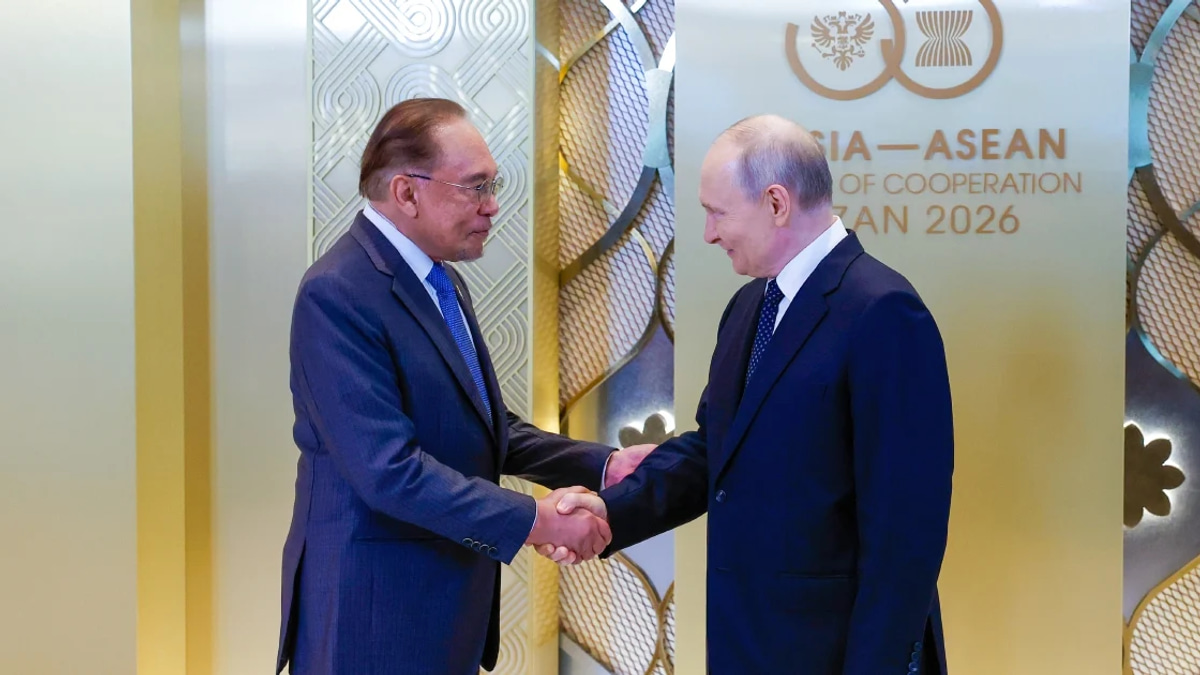
The return represents the successful outcome of high-level diplomatic negotiations conducted during the ASEAN-Russia Commemorative Summit held in Kazan. Marcos raised the detainees' plight during his bilateral meeting with Russian President Vladimir Putin, personally appealing to the Russian leader for their release. The president subsequently expressed his gratitude to Putin and the Russian government for their cooperation in resolving what had become a prolonged consular crisis affecting 24 families awaiting news of their relatives' fates. This diplomatic channel proved effective where other avenues may have stalled, underscoring the importance of presidential-level engagement in cases involving detained citizens.
The circumstances surrounding the Filipinos' detention painted a troubling picture of vulnerabilities in overseas recruitment. The 24 individuals had been held in Irkutsk, a city in southeastern Siberia, without facing formal charges for the duration of their confinement. Philippine government officials revealed that preliminary investigations suggested the workers had likely fallen victim to illegal recruitment schemes, deceived about the nature and legality of employment opportunities awaiting them in Russia. They were subsequently taken into custody on grounds related to potential immigration violations, leaving them in a legal limbo that persisted for nearly a year while authorities worked toward their release.
The case underscores persistent challenges within the overseas employment sector, where Filipino workers remain vulnerable to recruitment fraud despite government initiatives designed to protect them. Unscrupulous agents operating within networks spanning Southeast Asia continue to lure desperate job seekers with falsified documentation and misleading promises of legitimate employment abroad. Once workers arrive in destination countries under false pretences, they often find themselves in precarious legal positions, separated from support systems and unable to navigate foreign bureaucratic processes. The Irkutsk incident mirrors patterns documented in previous cases involving Filipino workers caught in immigration predicaments in various countries across the globe.
The repatriation operation itself involved coordinated efforts among multiple Philippine government agencies, demonstrating institutional capacity to execute complex consular operations. The Department of Foreign Affairs worked closely with the Department of Migrant Workers and the Overseas Workers Welfare Administration to coordinate logistics, documentation requirements, and safe passage arrangements with Russian counterparts. This inter-agency collaboration proved essential in securing the necessary clearances and ensuring smooth transit for the detainees. The coordination reflects lessons learned from previous mass repatriation operations and represents a functional model for handling similar future situations.
For the returning workers and their families, immediate challenges lie ahead despite their physical return to the Philippines. The government has committed to providing comprehensive reintegration and assistance programmes designed to address the trauma and dislocation experienced during their lengthy detention. Psychological counselling, medical evaluations, and livelihood support will form components of the support framework extended to the returnees. Many will require guidance navigating labour dispute mechanisms or civil claims against recruitment agents who facilitated their transport under false pretences. The Department of Migrant Workers has indicated that investigations into the recruitment circumstances will continue, potentially leading to prosecutions against the agents and networks involved.
The incident carries broader implications for Southeast Asian regional cooperation on labour migration issues. The ASEAN member states collectively send millions of workers abroad annually, with many destined for Russia and former Soviet republics seeking employment in construction, manufacturing, and service sectors. The vulnerability of workers in these markets remains insufficiently addressed through existing bilateral arrangements. Kazan's proximity to the Central Asian labour markets and historical ties to Southeast Asian communities make the region particularly relevant for Philippine interests, yet consular resources and safety monitoring in these areas remain limited compared to traditional destinations in the Middle East or East Asia.
The diplomatic success in Kazan also reflects shifting dynamics in Philippines-Russia relations, which have experienced fluctuations based on various geopolitical considerations. Under the Marcos administration, the Philippines has sought to maintain pragmatic engagement with diverse international partners while navigating great power competition in the region. The willingness of Russian authorities to cooperate on this humanitarian matter, despite broader international tensions, suggests compartmentalisation of diplomatic issues and recognition that consular matters transcend political disagreements. This approach may provide a template for resolving other cases involving Filipino nationals facing difficulties in countries where political relationships have grown complicated.
Moving forward, the case raises questions about strengthening pre-departure protocols and worker education programs designed to inoculate Filipinos against recruitment fraud schemes. Enhanced vetting of recruitment agencies, mandatory safety briefings emphasizing red flags in employment offers, and accessible emergency contact networks could reduce vulnerability. The success in securing the Irkutsk detainees' release, while significant, should not obscure the reality that prevention remains more effective than rescue operations after workers are already trapped in foreign detention. Investment in labour inspection mechanisms, training for migrant worker advocates, and intelligence-sharing among ASEAN states regarding recruitment networks could yield measurable improvements in worker protection across the region.