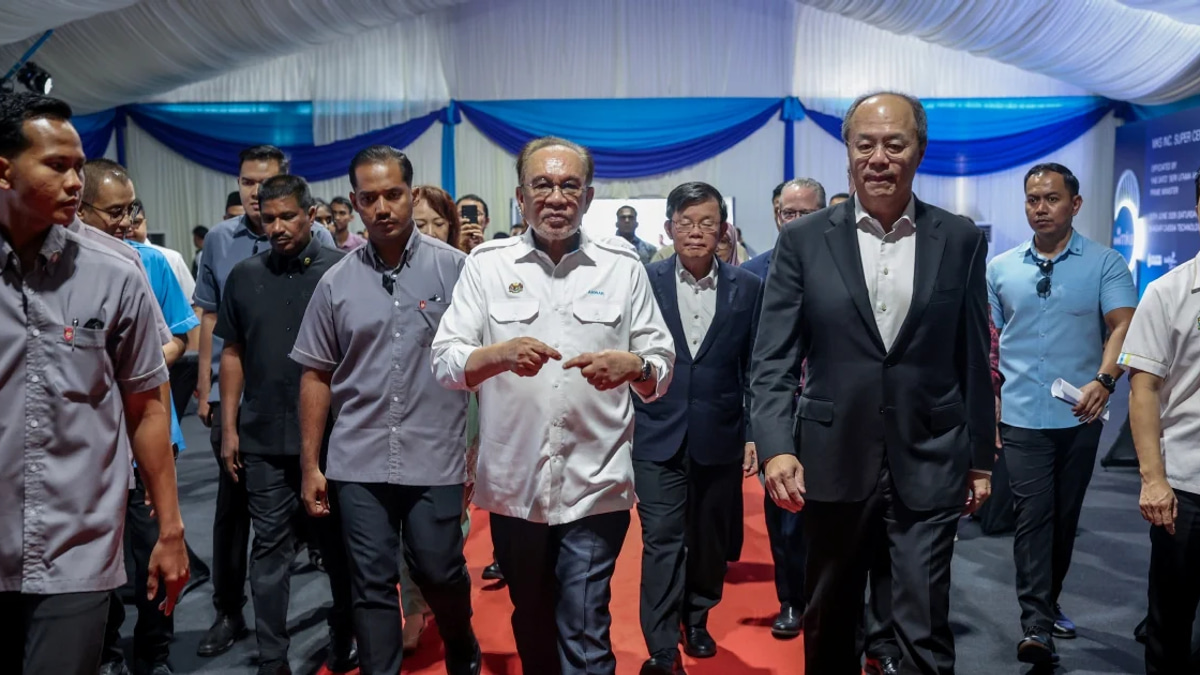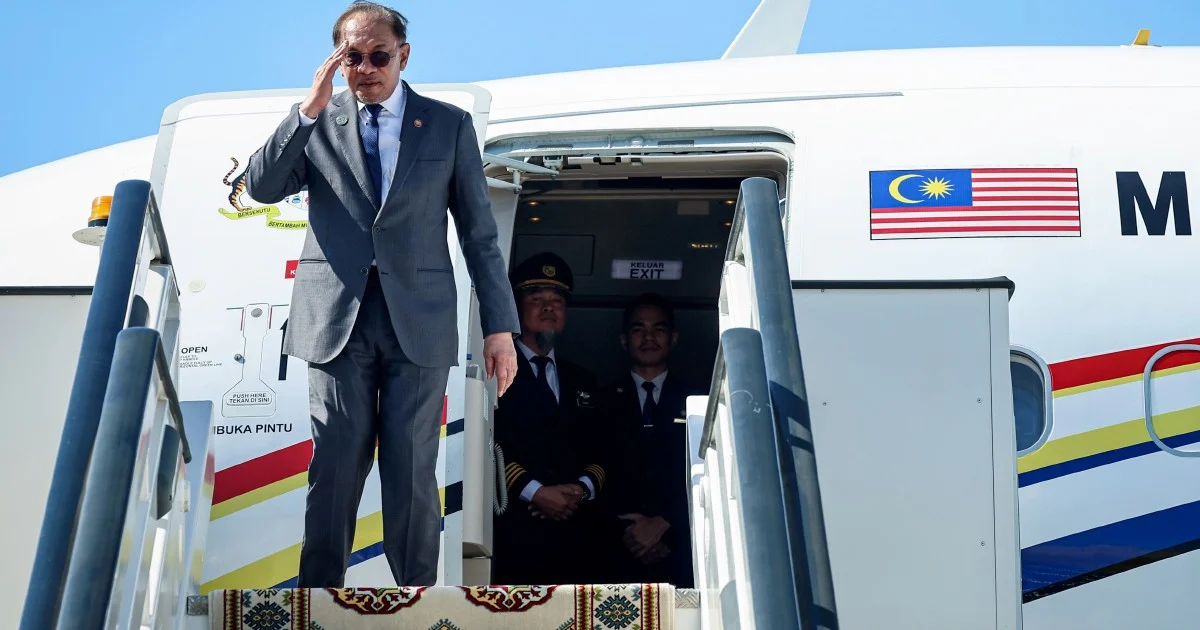
Prime Minister Datuk Seri Anwar Ibrahim touched down in Penang today, transitioning directly from his official engagement in Turkmenistan to take charge of a series of high-profile events scheduled in Malaysia's second-largest city. The immediate succession of these diplomatic and domestic commitments underscores the administration's strategy of maintaining momentum across multiple fronts—sustaining bilateral relations in Central Asia while keeping focus on domestic initiatives and investor engagement at home.
The centrepiece of Anwar's Penang agenda is the grand finale of Hawana 2026, the biennial celebration of Malaysia's media landscape and journalistic profession. This national observance carries particular significance for the government's relationship with the press corps, serving as a platform to acknowledge the role of journalists in the nation's democratic discourse and institutional functioning. As prime minister, Anwar's presence at the event signals official recognition of the media's contribution to public life, a gesture that carries weight given the sometimes-strained dynamics between government and newsrooms in the regional context.
The National Journalists' Day has evolved beyond ceremonial significance over the years, functioning as a venue where policy-makers, editorial leadership, and practitioners converge to discuss industry challenges, regulatory frameworks, and the evolving nature of information dissemination in an increasingly digital landscape. For Malaysia, where media ownership structures and editorial independence remain subjects of ongoing debate, such platforms offer opportunities for substantive dialogue about the profession's future trajectory.
Beyond the journalism celebration, Anwar's agenda encompasses several investment-oriented functions, reflecting the government's continued emphasis on attracting foreign capital and facilitating domestic business expansion. The sequencing of these events in Penang is deliberate—the state has positioned itself as a secondary economic hub to Kuala Lumpur, particularly through its manufacturing and technology sectors centred around the Bayan Lepas Free Trade Zone and newer digital innovation clusters. By hosting investment forums in Penang, the federal administration demonstrates commitment to distributing economic opportunities across the country rather than concentrating developmental focus solely in the capital region.
The Prime Minister's transition from Turkmenistan to Penang highlights the demanding schedule inherent to the office, where international diplomatic obligations must be balanced against domestic governance and economic promotion responsibilities. Turkmenistan, though geographically remote from Southeast Asia, represents an important node in Malaysia's broader Central Asian engagement strategy. This region has historically been less prioritized than Southeast Asia or China in Malaysian foreign policy, but growing interest in diversifying trade partnerships and exploring energy cooperation has elevated the significance of bilateral contacts with nations across the former Soviet republics.
Penang, as the chosen location for these events, carries its own strategic meaning. The state government and business community have actively campaigned to raise the city's international profile as a destination for investment and tourism. Hosting national-scale events involving the Prime Minister enhances this positioning and demonstrates that significant federal-level activity occurs beyond Kuala Lumpur. This geographic distribution of ministerial engagement also serves to reinforce federalism's practical operation and ensure that regional economies receive adequate attention and resources from central government.
The timing of Anwar's arrival also reflects the government's calendar of national observances and business convocations. With Hawana 2026 reaching its culminating ceremonies, the presence of the highest executive authority lends gravitas to the proceedings and ensures substantial media coverage of the event itself. This creates a feedback loop where major news outlets, represented by their leadership and senior journalists, gather to celebrate their profession while simultaneously covering the Prime Minister's participation—a dynamic that underscores the symbiotic relationship between political leadership and media institutions.
Investment forums conducted under prime ministerial patronage typically feature presentations from government officials, development agencies, and business associations outlining opportunities across various economic sectors. These gatherings serve both domestic and international audiences, with foreign investors and Malaysian firms seeking expansion capital utilizing such platforms to understand regulatory landscapes, incentive structures, and infrastructure capabilities. The presence of the Prime Minister signals government commitment to facilitating investments and can catalyse deals by providing direct access to senior policy-makers.
For Malaysia's broader economic strategy, Penang remains a critical component of the country's efforts to maintain its position as an attractive destination for manufacturing and technology investments amid regional competition from Vietnam, Thailand, and Indonesia. The state's historical strengths in electronics manufacturing have been supplemented by growing emphasis on semiconductor design, renewable energy, and digital services. By conducting investment forums in Penang with prime ministerial endorsement, the government reinforces messaging about the state's viability as a cornerstone of industrial diversification efforts.
Anwar's packed schedule across international and domestic spheres reflects the multifaceted nature of contemporary prime ministerial duties. While maintaining Malaysia's diplomatic relationships and exploring new economic partnerships abroad, he simultaneously must remain engaged with domestic constituencies, media relations, and investor confidence-building at home. The seamless transition from Turkmenistan to Penang exemplifies how these obligations intersect and demand constant presidential attention across vastly different contexts and stakeholder groups.