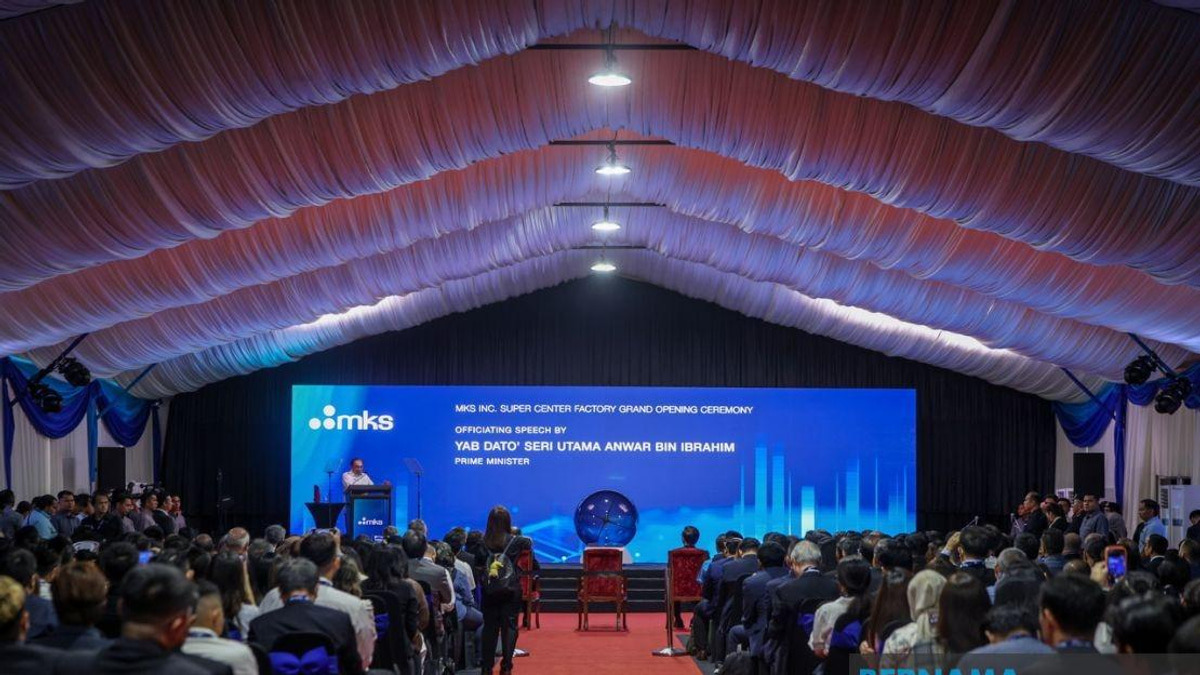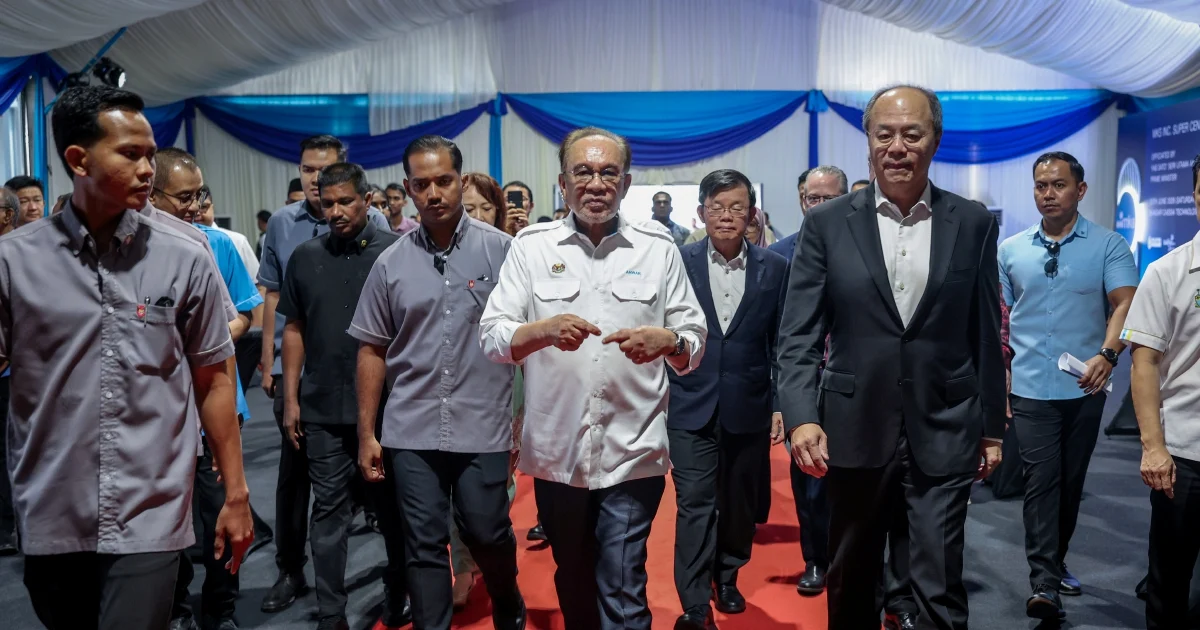
Prime Minister Datuk Seri Anwar Ibrahim has positioned Malaysia's diplomatic strategy as a significant competitive advantage in attracting foreign investment and sustaining economic growth. Speaking in Batu Kawan, Anwar emphasized that the nation's approach to conducting relations with all countries while steadfastly preserving its neutrality and independence stands as a cornerstone of business confidence in Malaysia.
This positioning reflects a deliberate effort by the Malaysian government to distinguish itself in an increasingly fractious geopolitical landscape. As global powers compete for influence across Asia and tensions between major economies create uncertainty for international investors, Malaysia's unwavering commitment to non-alignment offers a stability that multinational corporations find attractive. The emphasis on maintaining balanced relations with all nations, regardless of their geopolitical alignment, signals to investors that the country will not become entangled in great-power rivalries that could disrupt business operations or create economic sanctions.
The strategic value of Malaysia's neutral stance becomes particularly apparent when considering the country's position at the crossroads of global trade routes and its role as a critical hub for manufacturing, technology, and financial services. Companies seeking to establish or expand regional operations increasingly prefer locations that maintain cordial relationships across the geopolitical spectrum. A nation that tilts too heavily toward one power bloc risks alienating partners and creating complications for enterprises with global supply chains that traverse multiple jurisdictions.
Anwar's framing of neutrality as an economic asset reflects broader Malaysian thinking about how the country can maximize its prosperity amid competition between the United States, China, and other influential actors. This philosophy extends beyond diplomatic rhetoric—it shapes real investment decisions as international firms evaluate which Southeast Asian nations offer the most predictable and accessible environments for long-term operations. Malaysia's refusal to choose sides in contemporary great-power contests distinguishes it from some regional neighbors who have moved toward clearer alignments.
The Prime Minister's remarks also underscore Malaysia's commitment to being a reliable partner to all trading nations. This approach facilitates the flow of foreign direct investment across sectors from technology and renewable energy to financial services and advanced manufacturing. When investors assess emerging markets, political stability and predictable foreign policy matter considerably. Nations with erratic foreign relations or sudden shifts in alliances create uncertainty that pushes capital toward safer alternatives.
Malaysia's engagement strategy includes deepening economic ties with established powers while simultaneously building relationships with rising economies. This multifaceted approach reflects recognition that the twenty-first-century global economy does not permit isolation, nor does it require subservience to any single power. The country's participation in frameworks like ASEAN, the Regional Comprehensive Economic Partnership, and bilateral trade relationships with major economies demonstrates the practical operationalization of this balanced philosophy.
The emphasis on independence carries particular significance for Malaysia given its historical experience and its role within ASEAN. As Southeast Asia's most successful traders and manufacturers navigate an increasingly complex international environment, the region's smaller and medium-sized economies require foreign policies that protect their interests without forcing harmful choices between major powers. Malaysia's consistent advocacy for ASEAN unity and centrality reflects this understanding that collective diplomatic strength amplifies individual members' leverage.
This policy framework addresses concerns that have troubled investors throughout the region. The prospect of escalating US-China tensions, potential supply-chain disruptions stemming from geopolitical friction, and uncertainty about which countries might face trade restrictions or sanctions have led many corporations to evaluate their Asia-Pacific strategies carefully. Nations perceived as strictly aligned with one side face elevated risks in this environment. Malaysia's commitment to balancing engagement with all powers provides reassurance that the operating environment will remain open to firms with genuinely global operations.
For Malaysia specifically, this neutral positioning supports the government's broader economic agenda of attracting high-value foreign investment while maintaining regional prominence. The strategy allows the country to host facilities and operations for firms from all major economies, creating employment, generating tax revenue, and building technological expertise. Malaysian workers benefit from the employment opportunities created by this openness, while the country accumulates the human capital necessary for sustained economic development.
Anwar's articulation of this policy also responds to international observations about regional shifts. Some analysts have suggested that countries must increasingly choose between competing power blocs, yet Malaysia's experience suggests that determined neutrality, coupled with active economic engagement, remains viable and valuable. This message will likely resonate with executives and boards evaluating where to invest capital in Southeast Asia, particularly those seeking to avoid unnecessary geopolitical entanglement.
The practical implications extend to specific investment sectors. Technology companies, for instance, benefit from Malaysia's relationships with both Western and non-Western nations. Manufacturing operations gain from supply chain flexibility. Financial institutions appreciate an environment where regulatory approaches remain pragmatic rather than ideologically driven by external pressures. These sector-specific advantages accumulate into a general investment climate that increasingly appeals to diversified multinational enterprises.
Looking forward, Malaysia's maintenance of this balanced approach will likely remain central to its economic strategy. As regional competition for investment intensifies and geopolitical pressures increase, the comparative advantage offered by genuine neutrality and consistent engagement with all trading partners will grow more valuable. The government's explicit framing of this policy as an investor confidence booster represents clear strategic communication aimed at sustaining Malaysia's attractiveness as a destination for the foreign capital that underpins modern economic growth.