Carlo Ancelotti has not yet resolved every tactical conundrum facing Brazil's Copa America campaign, but his side's 3-0 victory over Haiti in Philadelphia on June 19 provided the clearest indication yet of how his preferred diamond midfield system might finally deliver the fluency and creativity that eluded them in their opening 1-1 draw with Morocco. For supporters weary after that frustrating Group C opener, the performance against a limited Haiti outfit who carelessly abandoned defensive shape offered at least a roadmap toward the kind of balanced, possession-based football that Brazil's supporters have come to expect from the nation.
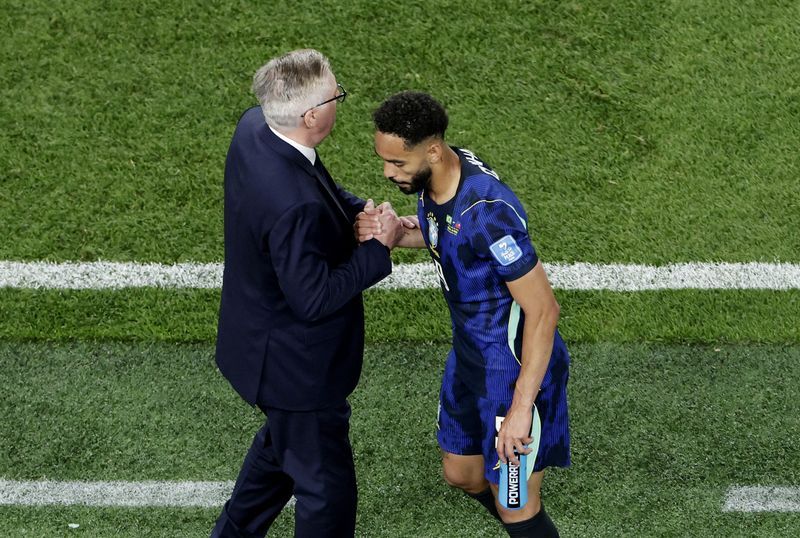
The tactical transformation hinged primarily on one personnel change: the introduction of Matheus Cunha in place of Igor Thiago in the attacking positions. This seemingly straightforward swap proved far more consequential than a simple substitution, as Cunha's movement and positioning fundamentally altered how Brazil connected their midfield to their forward players. Rather than isolated touches around the box, Ancelotti's system began to flow with recognizable patterns, particularly down the left flank where combinations gradually became sharper and more purposeful. The Haiti defence, perpetually stretched by Brazil's movement, offered minimal resistance to a side finally finding its rhythm.
Cunha's value transcended mere goalscoring, though his tireless running created the space for others to operate with greater freedom. Positioned as a drifting forward who naturally shifted between the lines, he provided Lucas Paqueta and Vinicius Jr with a platform for partnership that had been conspicuously absent since Neymar's serious injury sidelined the veteran winger. Paqueta, who faced considerable criticism for a laboured performance against Morocco, rediscovered confidence operating as the left-sided midfielder in the diamond formation. His positioning became sharper, his decision-making clearer, and his combinations with both Cunha and Vinicius exhibited the kind of natural chemistry that suggests this trio might form the foundation of Brazil's attacking play through the tournament.
Vinicius Jr himself appeared energized by having a functional bridge between the midfield and his position on the flank. Rather than operating in isolation as he sometimes did against Morocco, the Brazilian winger found himself receiving the ball in advanced positions with momentum and support already built in. This availability of options fundamentally changes how attacking players approach each touch, transforming reactive football into proactive sequences. It was telling that the most dangerous moments for Haiti consistently originated down this left flank, where the three players seemed to develop an almost intuitive understanding of positioning and timing.
Yet the positive developments on one flank have simultaneously highlighted concerning weaknesses on the opposite side. Raphanha's performance against Haiti marked the second consecutive match where the Barcelona winger failed to impose himself on proceedings. A mid-week absence due to blisters had already suggested fitness concerns, but more troubling was his apparent discomfort with the tactical role Ancelotti has assigned him. Pinned wide on the right wing in a more traditional position, Raphanha mislaid passes, fumbled routine possession, and lacked the sharpness expected from a player of his calibre. The contrast with his usual Barcelona role—where he operates more centrally and fluidly, much as Cunha did against Haiti—raises questions about whether Ancelotti's preferred formation can properly utilize this talent.
Raphanha's underperformance becomes more pressing given that solutions on the right remain underdeveloped. Rayan, introduced as his replacement, similarly struggled to gain traction in the match, suggesting that Brazil currently lack a natural right-sided option who complements the diamond's requirements. Luiz Henrique appears a more likely candidate for future consideration, though his involvement at club level may limit match sharpness. This imbalance between Brazil's dominant left flank and their stuttering right side represents a vulnerability that stronger opponents will inevitably target. Against Haiti's disorganized defending, it mattered little; against Scotland or potential knockout opponents, it could prove catastrophic.
Ancellotti must also grapple with questions surrounding Casemiro's durability at the tournament's backend. At 34 years old, the veteran midfielder's ability to shield Brazil's backline against physically demanding opponents remains uncertain. This uncertainty opens the possibility of repositioning Bruno Guimaraes from his right-midfield position in the diamond down to a deeper defensive role, allowing him to provide additional steel and distribution from the back. Such an adjustment would require finding an alternative right-sided midfielder, compounding the existing concerns about that flank's potency.
Brazil's performance against Haiti was decidedly not a statement of intent from a side aiming for continental supremacy. The opposition offered minimal resistance, making it difficult to assess how well the diamond formation might function against technically superior teams prepared to compress space and transition quickly. However, it represented tangible progress after the uncertainty of the Morocco match. The emergence of Cunha as an ideal tactical fit, combined with Paqueta's resurgence and Vinicius's renewed confidence, suggests that Ancelotti's strategic adjustments point in the right direction. Whether Brazil can maintain this trajectory while simultaneously resolving the persistent weaknesses on the right flank and at defensive midfield will largely determine their tournament prospects. Against Haiti, the encouraging signs outweighed the concerns; against stronger opposition, that balance will require careful management.