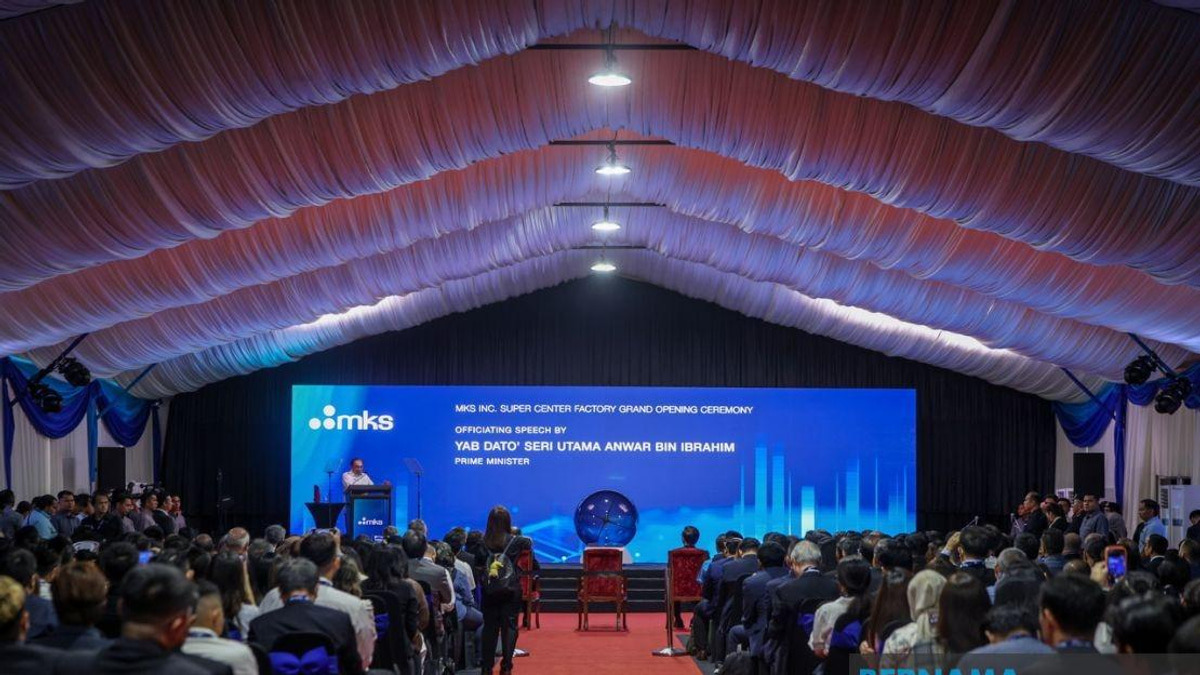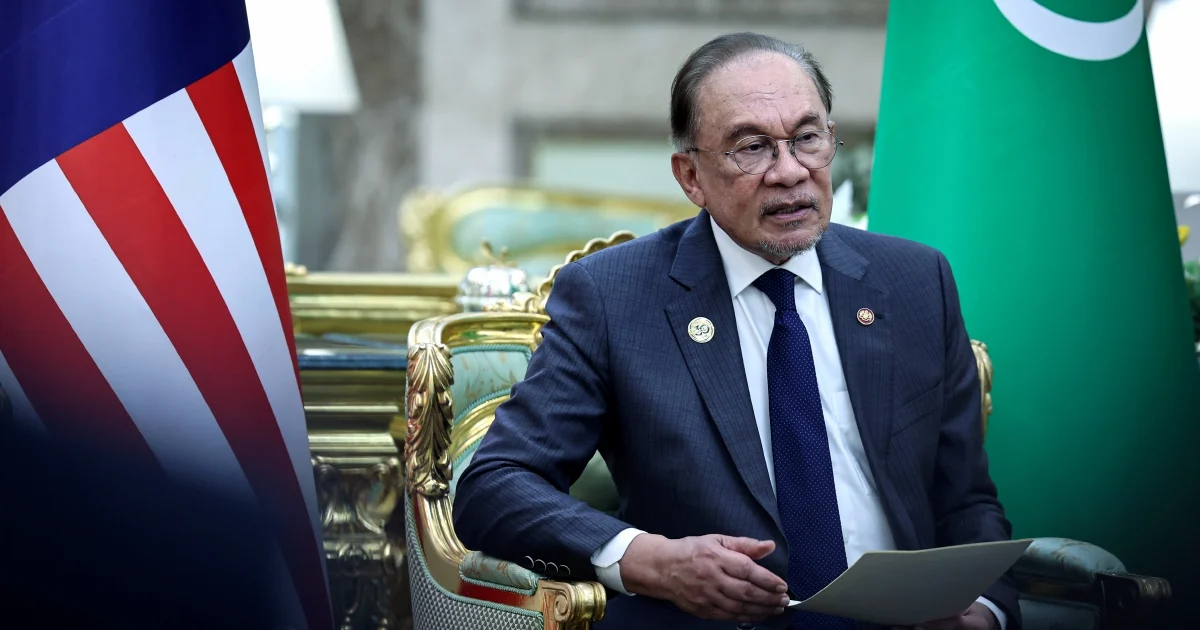
Prime Minister Datuk Seri Anwar Ibrahim has expressed his approval of emerging reports suggesting a breakthrough in negotiations between the United States and Iran, framing the development as encouraging news for international relations and global peace efforts. Speaking at Batu Kawan, Anwar characterised the reported accord as a constructive step that carries implications far beyond the two parties involved, reflecting Malaysia's broader commitment to supporting diplomatic solutions in an increasingly volatile geopolitical landscape.
The significance of this statement extends beyond routine diplomatic pleasantries. Malaysia, as a Muslim-majority nation with considerable regional influence and a permanent seat on the UN Economic and Social Council, occupies a unique position in international affairs. The country has consistently advocated for multilateralism and peaceful resolution of disputes, principles that guide its foreign policy approach across multiple jurisdictions and conflict zones. Anwar's public backing of the US-Iran initiative therefore signals Malaysia's willingness to support initiatives that reduce tensions between major powers, particularly those affecting Middle Eastern stability.
The United States and Iran have maintained fraught relations for decades, with tensions escalating significantly in recent years following the American withdrawal from the Joint Comprehensive Plan of Action in 2018. The fallout from that decision created substantial uncertainty across global markets and contributed to regional instability throughout the Middle East. Any progress toward renewed dialogue, even if incremental, represents a potential turning point in a relationship that has frequently threatened to spiral into military confrontation.
For Southeast Asia generally and Malaysia specifically, stability in the Middle East carries enormous practical weight. The region remains a critical source of energy supplies, with many ASEAN nations dependent on Middle Eastern oil and natural gas imports to fuel economic growth and industrial development. Disruptions to energy markets stemming from geopolitical tensions inevitably ripple through regional economies, affecting everything from manufacturing costs to consumer prices. A successful agreement between Washington and Tehran could help moderate volatile energy prices and provide greater predictability for Southeast Asian businesses and consumers.
Anwar's endorsement also reflects Malaysia's approach to the global South and its positioning as a voice advocating for the interests of developing nations. Throughout his tenure as Prime Minister, Anwar has emphasised the need for international frameworks that respect sovereignty and facilitate dialogue among nations with divergent interests. The US-Iran situation exemplifies precisely the kind of intractable dispute where patient diplomacy and genuine negotiation can yield dividends, even when decades of animosity suggest otherwise.
The timing of Anwar's comments carries additional weight given Malaysia's growing prominence in attempting to mediate regional disputes. The country has hosted various multilateral forums and diplomatic initiatives aimed at addressing Southeast Asian challenges. By publicly supporting the US-Iran breakthrough, Malaysia positions itself as a nation that values constructive engagement over confrontation, a stance that strengthens its credibility when attempting to facilitate discussions on regional matters affecting ASEAN members.
Furthermore, an improvement in US-Iran relations could have indirect benefits for international cooperation on other pressing issues affecting the region. Climate change, pandemic preparedness, and maritime security all require coordinated international responses that prove difficult to achieve when major powers remain locked in opposition. Reducing tensions between the United States and Iran might create space for broader cooperation on shared global challenges that transcend traditional geopolitical divisions.
Anwar's hope for lasting peace reflects the sober recognition that initial agreements, while important, do not guarantee sustained stability. The track record of US-Iran relations suggests that agreements can unravel if underlying interests diverge or if political circumstances shift. Malaysia's experience with regional disputes demonstrates that durable peace requires not merely signed documents but genuine commitment to addressing root causes of conflict and building institutional frameworks that encourage continued cooperation even when tensions resurface.
The Malaysian Prime Minister's statement carries particular resonance given the country's own experience navigating between major powers. Malaysia maintains relationships with both the United States and various Middle Eastern nations, balancing these connections while prioritising national interests and regional stability. This delicate balancing act informs Anwar's perspective on the US-Iran situation, where acknowledging the breakthrough represents a measured acknowledgement of progress without overcommitting to any particular power's agenda.
Looking forward, Malaysia's support for the US-Iran initiative suggests the nation will continue advocating for dialogue-based approaches to international disputes. This positioning reflects not naïveté but rather clear-eyed understanding that military solutions frequently generate cycles of retaliation and counterretaliation, ultimately leaving all parties worse off than sustained diplomatic engagement would have achieved. The breakthrough between Washington and Tehran, should it hold and develop into more comprehensive agreements, could establish precedents for resolving other seemingly intractable international conflicts.
Anwar's comments also underscore Malaysia's commitment to an international system based on law, negotiation, and mutual respect rather than coercion or unilateral action. As geopolitical competition intensifies and great powers manoeuvre for advantage, smaller nations like Malaysia derive considerable benefit from international norms that discourage military adventurism and encourage settlement of disputes through established mechanisms. By welcoming the US-Iran breakthrough, Malaysia reinforces its preference for such an order and contributes, however modestly, to international expectations favouring dialogue over confrontation.