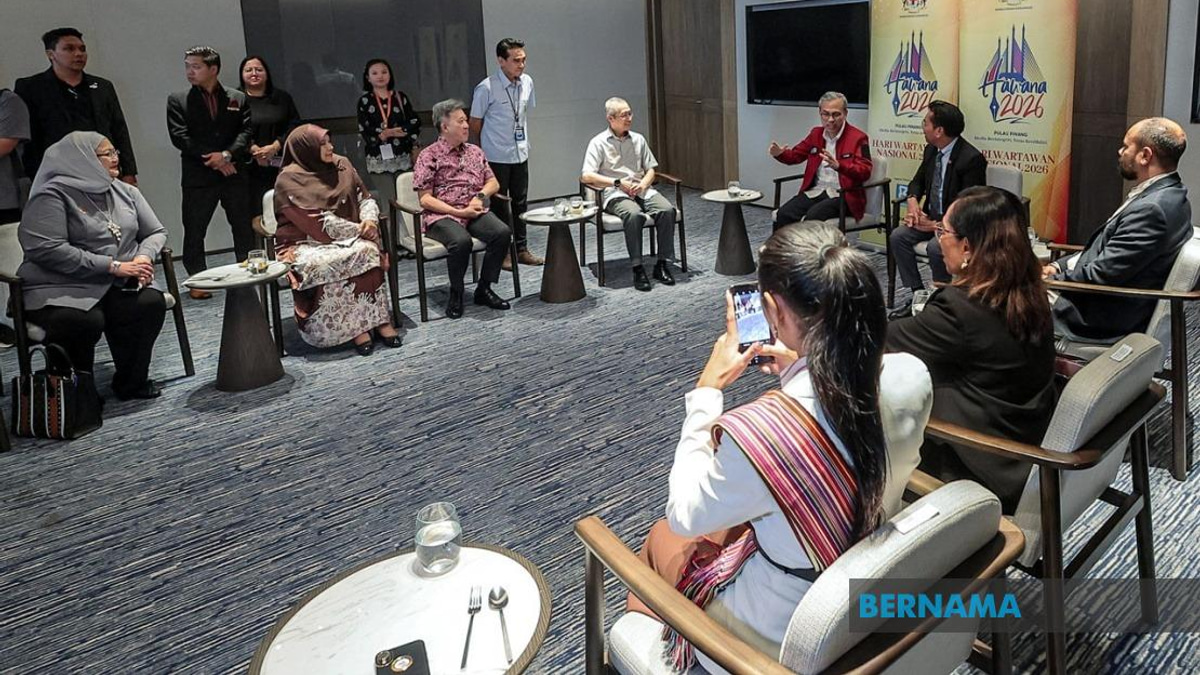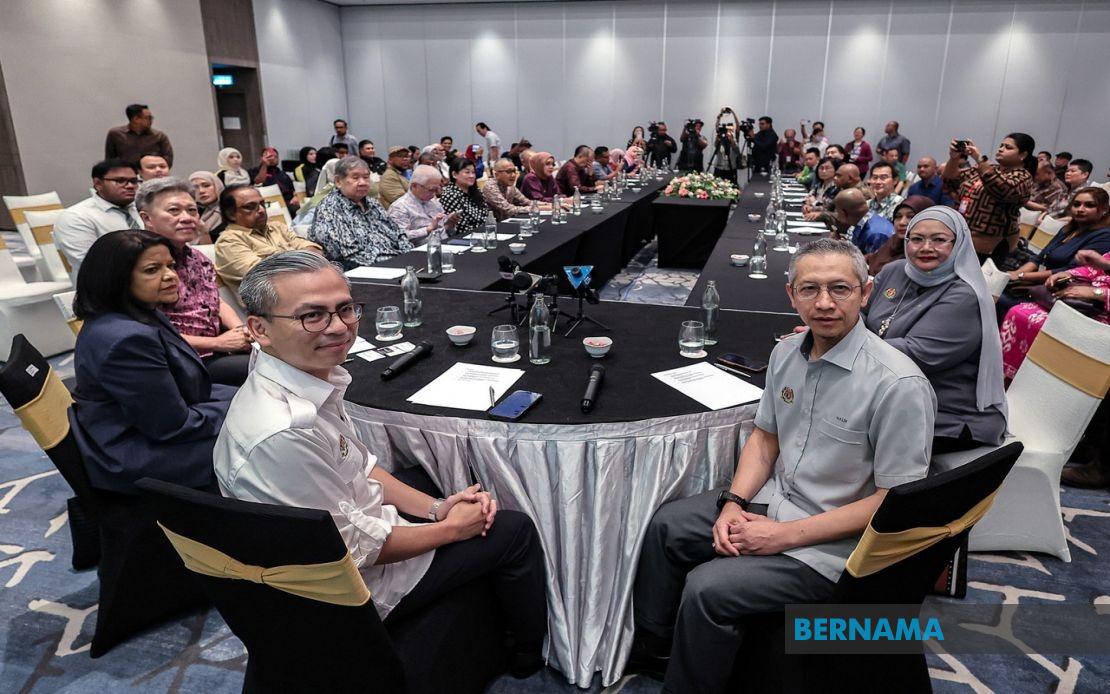
Communications Minister Datuk Fahmi Fadzil has unveiled an initiative to institutionalise dialogue between the government and Malaysia's media industry by proposing structured retreat sessions at all future editions of the National Journalists' Day, or HAWANA. The proposal emerged during a nearly two-hour dialogue session at HAWANA 2026 in Butterworth on June 20, where Fahmi engaged directly with senior media representatives and government officials to discuss pressing challenges facing the sector.
The retreat concept represents a strategic shift toward formalising consultation mechanisms between policymakers and journalists. Rather than sporadic engagements, Fahmi envisions these sessions becoming a permanent fixture of HAWANA celebrations, creating predictable forums where the media industry can articulate concerns and propose solutions directly to government. This structural approach reflects growing recognition that media sustainability requires sustained, organised dialogue rather than ad hoc responses to industry pressures.
Fahmi indicated that the Malaysian Media Council, the industry's self-regulatory body led by Tan Sri Nallini Pathmanathan, would coordinate the retreat organisation to ensure professional execution. By delegating coordination to the MMC rather than directly managing the process, the government aims to preserve the sessions' independence and credibility within the industry. This arrangement allows the council to shape the agenda and discussion parameters while maintaining its intermediary role between practitioners and authorities.
According to Fahmi, the retreat sessions would function as comprehensive feedback mechanisms. Media practitioners would have dedicated space to voice concerns, share insights, and submit formal proposals on matters ranging from specific policy reforms to amendments of existing legislation affecting the industry. Significantly, the scope extends beyond immediate operational concerns to encompass broader structural questions about media viability and long-term sustainability, suggesting the government recognises the sector faces systemic challenges beyond editorial discretion.
One critical issue Fahmi highlighted during the dialogue concerns the economic difficulties facing mainstream media outlets in the digital age. Content produced by professional journalists and published on social media platforms generates no direct revenue for news organisations, despite driving significant audience engagement and advertising value for the platforms themselves. This fundamental mismatch between content creation costs and financial return has squeezed traditional media revenues and forced newsrooms across Malaysia to reduce staff and editorial capacity, ultimately affecting news quality and coverage depth.
The minister signalled government willingness to intervene in ongoing discussions between the Malaysian Media Council and major social media platforms. While the private sector and regulatory bodies must take the lead in these negotiations, Fahmi indicated the Communications Ministry stands ready to provide technical support and facilitate dialogue. This positioning allows government to back industry advocacy without directly confronting global technology companies, a politically delicate balance given the economic importance of these platforms and their influence on digital commerce and communication across Southeast Asia.
The HAWANA 2026 dialogue brought together a substantial cross-section of Malaysia's media establishment, including Bernama chairman Datuk Seri Wong Chun Wai, MMC leadership, and senior executives from major news organisations. The attendance of Communications Ministry secretary-general Datuk Abdul Halim Hamzah and deputy secretary-general Datuk Bahria Mohd Tamil underscored the government's seriousness about engaging substantively with media concerns at senior administrative levels. Such high-level participation signals that media sustainability and government-press relations have been elevated within the ministry's strategic priorities.
For Malaysian and regional observers, this initiative reflects broader tensions between traditional journalism and digital disruption. The retreat model acknowledges that policymakers alone cannot resolve structural industry challenges; solutions require sustained consultation with practitioners who understand market realities, audience behaviour, and operational constraints. By creating formal channels for this exchange, the government potentially positions itself as a constructive partner in media evolution rather than an adversary or indifferent observer.
The proposal also carries implications for press freedom and journalistic independence. Regularised government-media dialogue can facilitate mutual understanding and reduce adversarial dynamics, but only if structured carefully. The involvement of the Malaysian Media Council as coordinator provides institutional buffers that could protect the sessions' integrity. However, practitioners will need to ensure that government participation does not subtly shape editorial agendas or create expectations of favourable coverage in exchange for policy assistance.
Looking forward, the retreat concept's success will depend on several factors. The Malaysian Media Council must demonstrate independence in determining agendas and participants. The government must honour commitments to consider industry proposals and report back on decisions. Media organisations themselves must approach these sessions with collective rather than purely individual interests, focusing on systemic sustainability rather than company-specific advantages. Without such discipline, the retreats risk becoming talking shops that generate goodwill but produce limited tangible policy change.
The initiative also reflects Malaysia's effort to position itself as a model for government-media cooperation within ASEAN. Other Southeast Asian nations wrestling with rapid digitalisation and media fragmentation may observe how these formal dialogue structures function. Success could influence regional approaches to media policy, while failures might reinforce perceptions that systematic engagement between governments and press remains difficult in the region.
Implementing the retreat programme requires substantial groundwork. The Malaysian Media Council will need to develop clear terms of reference, establish selection processes for participants ensuring diverse representation, create mechanisms for translating discussions into actionable proposals, and establish transparency about outcomes. Fahmi's willingness to request the MMC's coordination rather than imposing government-designed processes suggests an understanding of these requirements, though execution details remain to be clarified through ongoing consultations between the ministry and industry bodies.