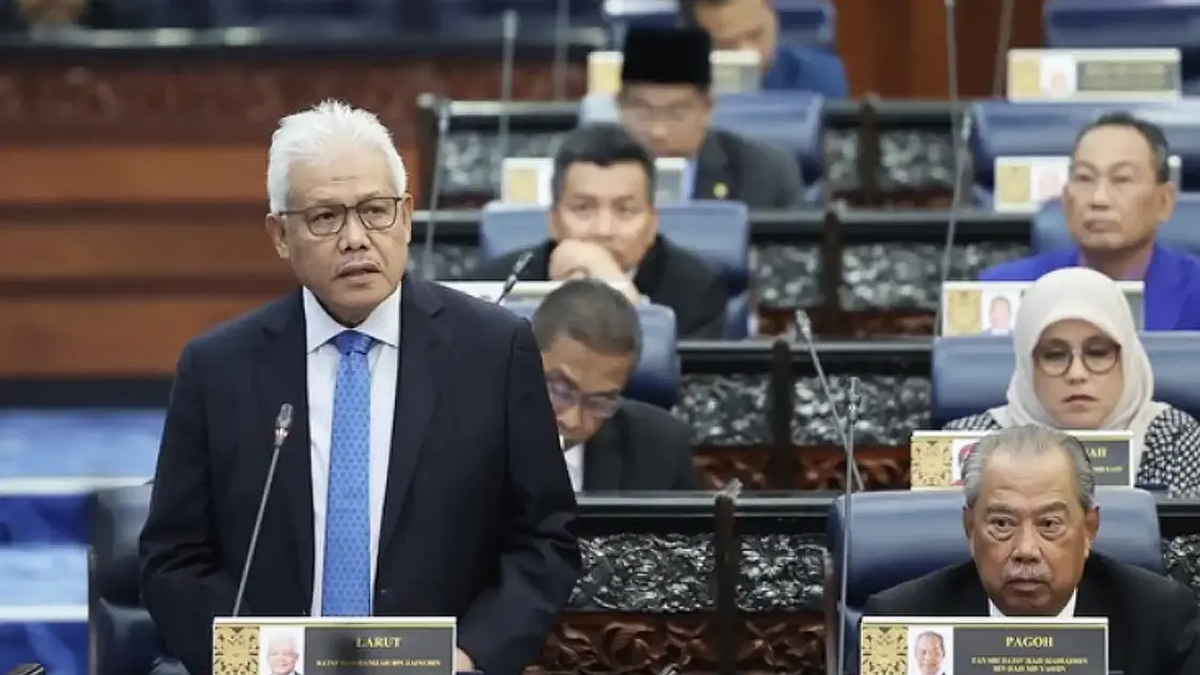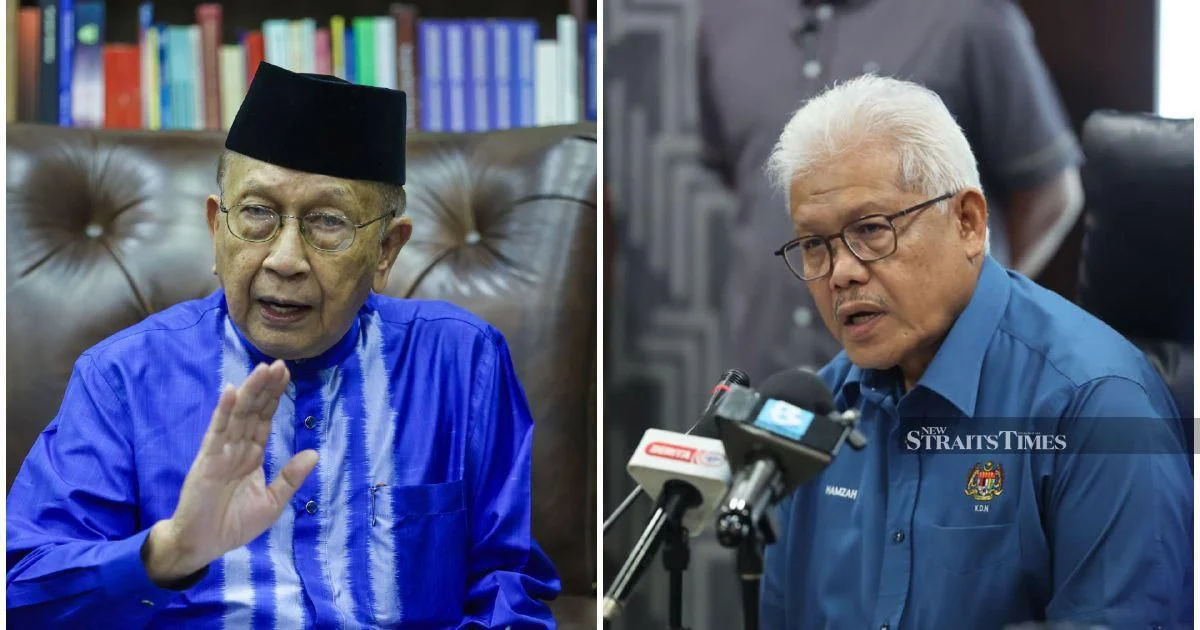
Parti Wawasan Negara has formally unveiled the complete roster of its central leadership, marking a significant milestone for the political newcomer as it seeks to establish itself as a credible force in Malaysian politics. The announcement reveals a deliberate strategy to anchor the party's credibility through seasoned political operatives and professionals, suggesting Wawasan is positioning itself as an alternative to Malaysia's traditional political establishment.
The party's decision to elevate Hamzah and former minister Rais Yatim to headline positions underscores its ambition to leverage experience and established networks. Both figures bring considerable parliamentary pedigree and policy expertise, signalling that Wawasan is not merely another splinter party but rather one attempting to bridge old guard politics with fresh organisational approaches. Their involvement lends institutional weight that newer parties typically struggle to acquire.
The inclusion of former parliamentarians in the leadership structure reflects a calculated approach to party-building. These individuals maintain existing relationships within the legislature and administrative apparatus, potentially facilitating legislative alliances and providing insider knowledge of how Malaysia's political machinery operates. For a nascent party seeking parliamentary seats, such connections represent tangible electoral assets.
The broader composition—blending veteran politicians, ex-ministers, sitting MPs and private sector professionals—suggests Wawasan is attempting to appeal simultaneously to different constituency segments. This diversified leadership approach aims to bridge the divide between establishment politics and aspirational middle-class professionals who may feel alienated by traditional parties. The inclusion of non-politician professionals also signals openness to technocratic governance models.
Within Malaysia's current political ecosystem, where coalition politics dominates and independent party survival remains precarious, Wawasan's announcement carries implications beyond mere internal organisation. The calibre of political figures willing to join suggests either dissatisfaction with existing parties or confidence that Wawasan represents a genuine third pathway. Either motivation could destabilise traditional voting patterns, particularly among floating voters in urban constituencies.
The timing of this formal leadership announcement likely reflects Wawasan's preparations for electoral competition, whether through local elections or eventual general polling. Parties typically make such announcements when transitioning from informal networking to serious electoral positioning. The fullness of the announced structure—encompassing central committee roles across likely portfolios—indicates the party is building institutional capacity for sustained operations.
For Malaysian politics specifically, Wawasan's emergence and formalisation as a structured entity with recognisable leadership adds complexity to coalition negotiations that may determine future government formations. Neither Barisan Nasional nor Pakatan Harapan can automatically assume Wawasan's allegiance, creating potential bargaining leverage that defies simple binary political arithmetic that has long characterised Malaysian electoral strategy.
The presence of former ministers within Wawasan's ranks also signals potentially uncomfortable questions for existing coalitions about their own institutional health. When experienced political figures opt to build new party vehicles rather than work within established frameworks, it reflects either philosophical disagreement or frustration with existing party cultures. Wawasan's attractiveness to such figures suggests genuine discontent within Malaysia's mainstream political formations.
From a Southeast Asian perspective, Wawasan represents a broader pattern of political fragmentation and reformation visible across the region—from Thailand's volatile coalition dynamics to Indonesia's proliferation of smaller parties. Malaysia's emergence of credible third-party alternatives, backed by substantial political figures, follows regional trends toward destabilised two-bloc systems. This fragmentation typically increases political volatility but may also force greater policy responsiveness from competing parties seeking coalition partners.
The announced leadership structure also carries significance for policy direction. The mix of veteran politicians and professionals suggests Wawasan may pursue pragmatic, technocratic positioning rather than ideological purity. This approach could appeal to economically literate voters concerned with governance quality over partisan identity, a growing demographic particularly in urban areas across Southeast Asia.
Wawasan's formalisation through this leadership announcement essentially marks its transition from exploratory phase to competitive participant in Malaysia's political marketplace. Whether the party can translate leadership credentials into electoral success remains uncertain, but the announcement confirms it possesses sufficient resources and political talent to merit serious consideration as a potential coalition partner or parliamentary force in coming electoral contests.
The structural maturity evident in this comprehensive leadership announcement suggests Wawasan is playing an extended political game rather than seeking immediate electoral disruption. This long-term orientation—building institutional capacity before testing electoral waters—mirrors successful third-party trajectories in other democracies and suggests Wawasan's proponents expect Malaysian politics to remain fragmentary and coalition-dependent for the foreseeable future.