The political landscape in Malaysia has shifted with the appointment of Hamzah Zainuddin to the presidency of Wawasan, marking a fresh chapter for the party as it undergoes substantial organisational changes. This leadership restructuring reflects the party's efforts to strengthen its position within the broader political ecosystem and redefine its strategic direction moving forward. The appointments signal a generational blend within the party's command structure, combining the experience of senior figures with emerging political voices.
Rais Yatim, a seasoned politician with extensive ministerial experience spanning several decades, has assumed the role of chairman under the new arrangement. His appointment brings considerable gravitas to the party's governance structure, leveraging his long career in Malaysian politics and deep understanding of the political machinery. Yatim's involvement at the chairmanship level provides institutional continuity while the party navigates evolving political dynamics in the country. His background in various ministerial portfolios positions him as a stabilising force during what appears to be a period of transformation for Wawasan.
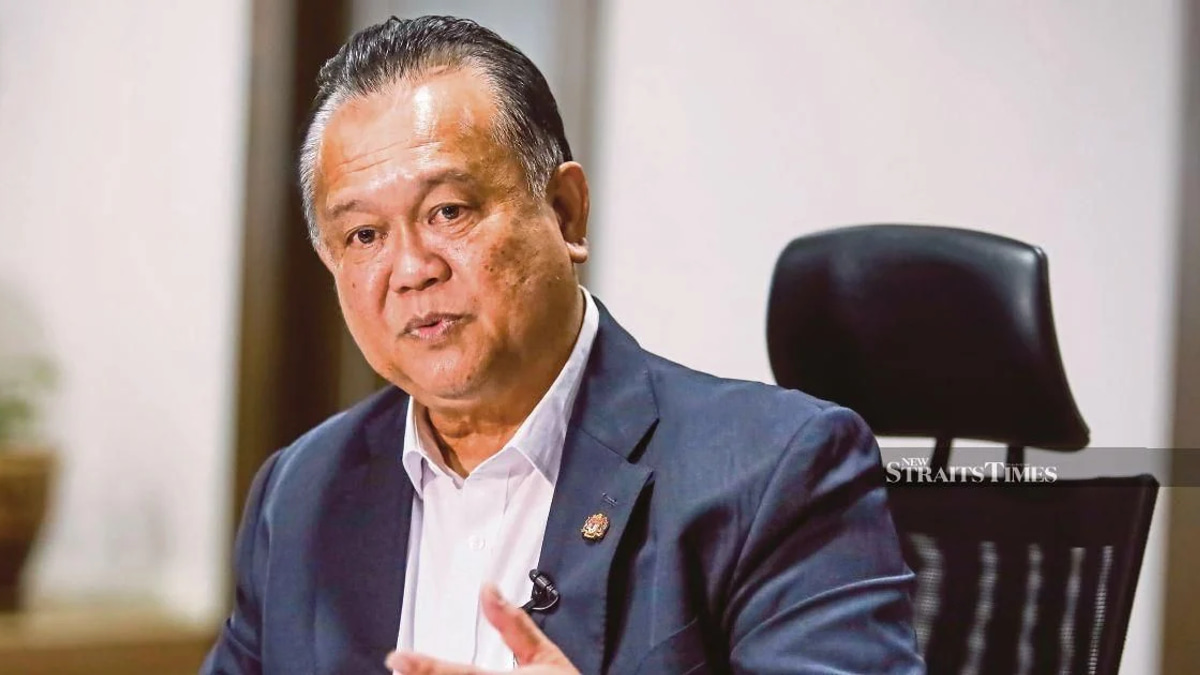
Complementing this leadership trio is Saifuddin Abdullah, the Member of Parliament for Indera Mahkota, who now assumes responsibility as secretary-general. His appointment reflects the party's determination to engage younger, active parliamentary representatives in its central administration. As the secretary-general, Abdullah will bear responsibility for party operations, coordination of internal mechanisms, and serving as a bridge between party leadership and grassroots membership. His position as a sitting MP provides him with firsthand insight into contemporary legislative challenges and constituent concerns that can inform party policy direction.
The timing of these appointments comes amid broader shifts in Malaysian politics, where political parties continuously reassess their structures to maintain relevance and electoral competitiveness. For Wawasan, these leadership changes represent an opportunity to recalibrate its approach and messaging as it seeks to expand its support base. The restructuring suggests that the party is investing in stronger institutional frameworks, recognising that effective governance requires clear delineation of responsibilities among its senior leadership.
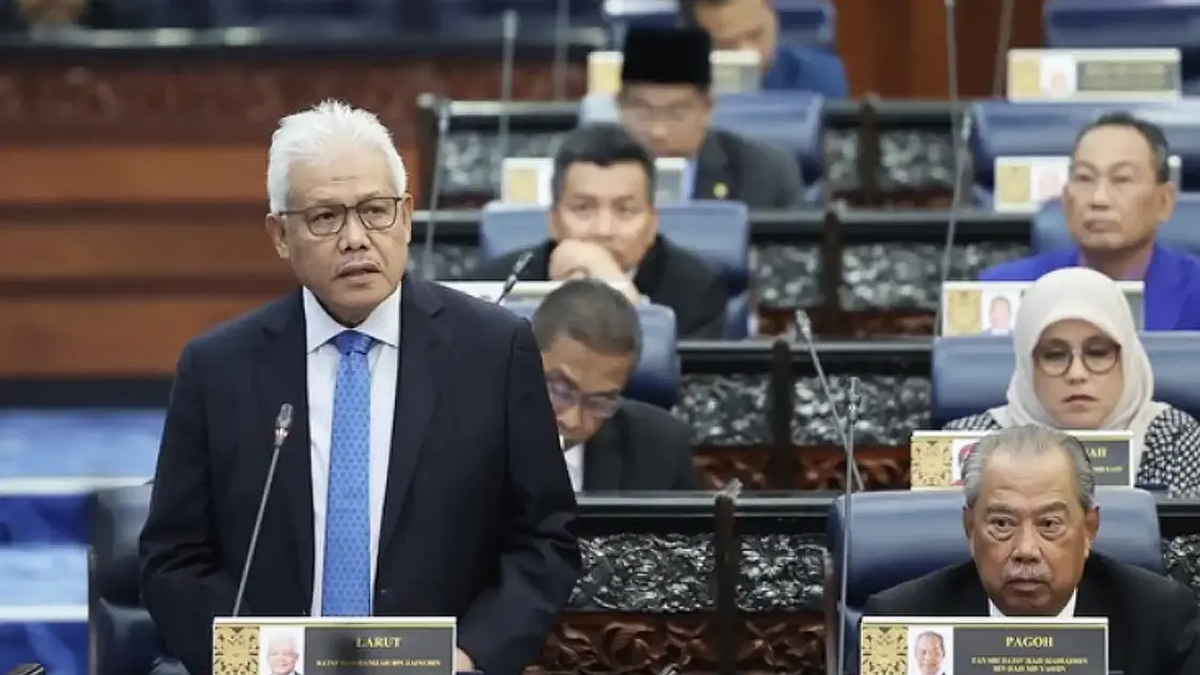
Hamzah Zainuddin's elevation to the presidency places him at the forefront of party decision-making and strategic planning. His presidency will encompass setting the overall direction of Wawasan, representing the party in national political discourse, and articulating the party's vision to both members and the broader electorate. The presidency is invariably the most visible and consequential position within a political party's hierarchy, making this appointment a clear signal of Hamzah's standing and influence within the organisation.
For Malaysian observers monitoring political developments, these appointments merit attention as indicators of how established political entities are adapting to the contemporary political environment. Political parties regularly undergo organisational restructuring as a means of addressing internal dynamics, preparing for electoral cycles, or responding to shifting political circumstances. Wawasan's moves suggest deliberate planning rather than reactive measures, indicating that the party leadership is proactively shaping the organisation's future trajectory.
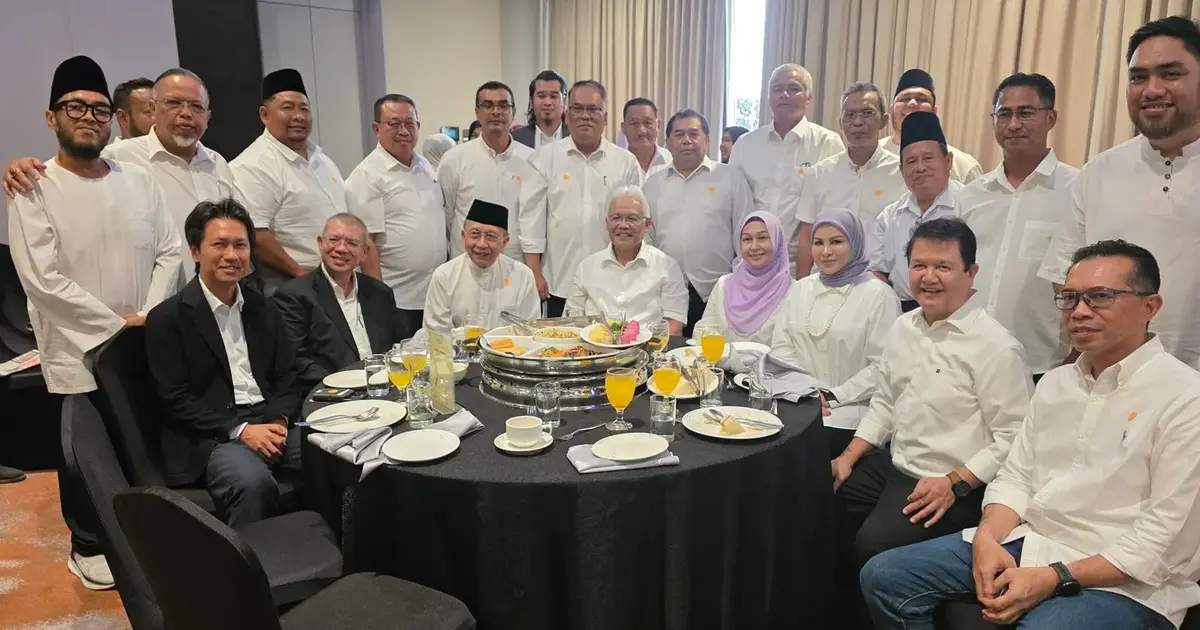
The tricephalous leadership structure—with distinct roles for president, chairman, and secretary-general—reflects modern governance thinking within Malaysian political parties. This arrangement permits differentiation of responsibilities, with the presidency focusing on strategic vision and external representation, the chairmanship providing oversight and institutional continuity, and the secretary-general managing administrative and operational matters. Such clarity in role definition can enhance organisational efficiency and accountability within party structures.
Saifuddin Abdullah's parliamentary role as Indera Mahkota's representative adds practical legislative experience to the party's central command. MPs bring invaluable intelligence about grassroots sentiment, electoral dynamics in their constituencies, and the interplay between local issues and national policy. By incorporating active parliamentarians into party leadership, Wawasan ensures that decision-making remains grounded in electoral realities and constituent concerns rather than operating in isolation from party members' on-the-ground experiences.
Rais Yatim's extensive background spanning multiple ministerial tenures and high-level government positions provides Wawasan with institutional memory and political credibility. His chairmanship suggests that the party values experience in navigating Malaysia's complex political system, managing governmental relationships, and understanding legislative processes. Such senior figures often serve as informal advisors and mediators within party structures, roles that transcend their formal titles and contribute significantly to party cohesion.
These leadership appointments occur within the context of Malaysian politics' fundamental fragmentation and coalition-building dynamics. Political parties must balance internal democracy, hierarchical efficiency, and external coalition positioning. Wawasan's new leadership arrangement appears calibrated to achieve this balance by combining experienced hands with active parliamentarians and a focused presidency. The success of these appointments will ultimately depend on how effectively the three leaders collaborate and whether their leadership yields electoral gains or improved party fortunes in future electoral cycles.
For regional observers, Wawasan's restructuring exemplifies how Southeast Asian political parties are modernising their internal governance structures while maintaining connections to experienced political figures. This hybrid approach—blending veteran politicians with contemporary parliamentarians—has become common across the region as parties seek to maintain institutional legitimacy while projecting renewed energy and relevance. The coming months will reveal whether Hamzah Zainuddin, Rais Yatim, and Saifuddin Abdullah can translate this new leadership arrangement into tangible political achievements and strengthened party performance.