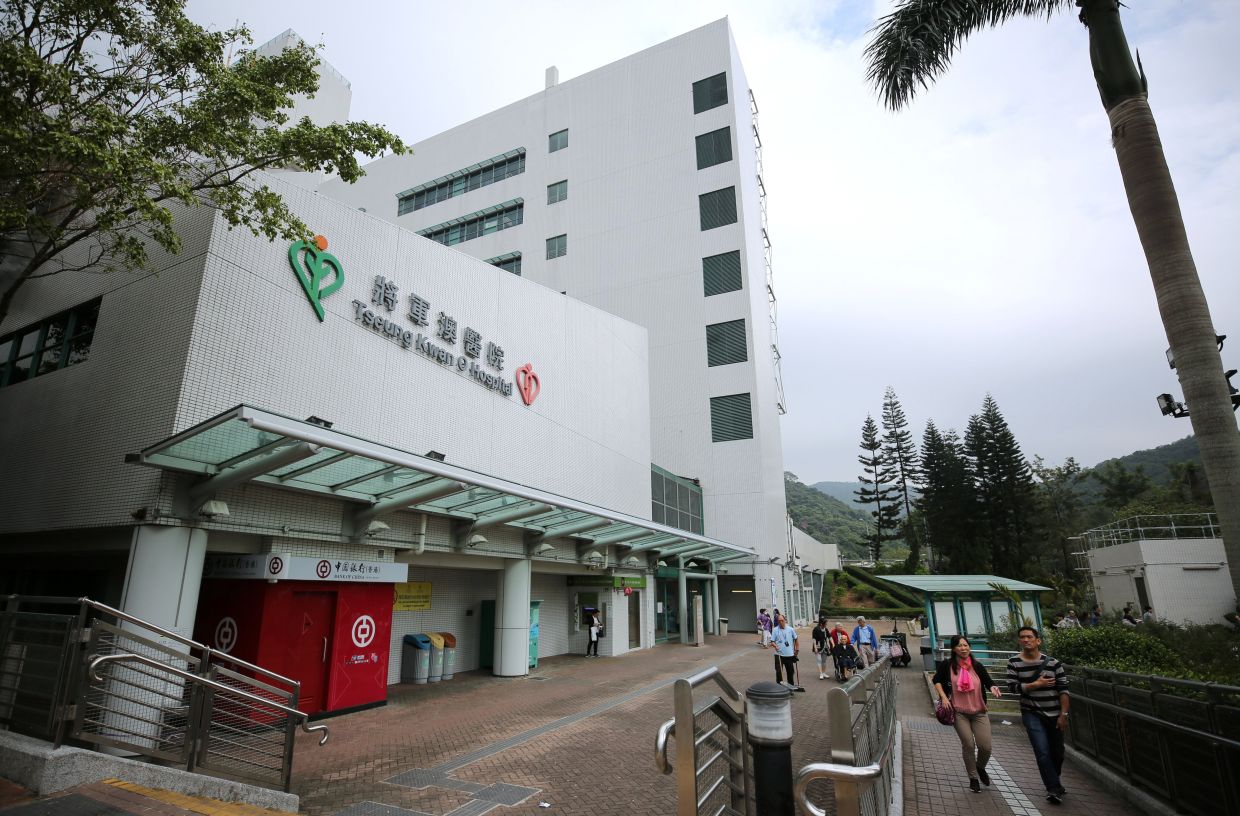
An 85-year-old woman's death following abdominal surgery at a Hong Kong public hospital has been attributed to a surgeon's failure to correctly identify organs during the operation, according to findings released this week by Tseung Kwan O Hospital. The medical probe into the February incident has concluded that the surgeon exhibited "confirmation bias"—a tendency to seek information that confirms preexisting beliefs—when performing what should have been a routine procedure to address an intestinal blockage in the cancer patient.
The woman had presented with obstructive sigmoid colon cancer and required a transverse colostomy, a surgical intervention designed to create an opening in the abdomen to bypass the blocked section of intestine. The procedure itself is a well-established treatment for such conditions and is performed regularly across Hong Kong's healthcare system. Initial post-operative assessments suggested stability, but medical staff noted unusually elevated output from the surgical opening, a warning sign that should have triggered closer scrutiny of the operation's execution.
The patient's condition began deteriorating on March 1 when she experienced a sudden drop in blood pressure and elevated heart rate. She was transferred back to Tseung Kwan O Hospital from Haven of Hope Hospital the following day for further evaluation. A computed tomography scan revealed the source of the emergency: the surgical opening had been created in the stomach rather than the intended section of the colon. This fundamental misidentification of anatomical structures meant the patient had undergone an entirely inappropriate operation, one that could not address her underlying intestinal blockage.
Within days of the discovery, the patient's clinical status continued its downward trajectory. By March 3, her condition had deteriorated beyond recovery, and her family consented to a do-not-attempt-resuscitation order. She died shortly thereafter. The hospital initially disclosed the incident following media inquiries in March, simultaneously announcing that it had commissioned an investigation and notified the Coroner's Court of the circumstances surrounding her death.
The hospital's formal investigation report, released on Thursday, painted a picture of systemic failures extending beyond the surgeon's cognitive error. The institution identified confirmation bias as the primary factor in the surgeon's misidentification of abdominal structures, but the analysis also highlighted inadequate verification procedures that might have caught the mistake before closure of the surgical site. The report noted that the surgeon failed to implement additional confirmation measures—standard safety protocols that serve as a safeguard when performing complex procedures in anatomically challenging locations.
Beyond the surgeon's individual performance, the hospital acknowledged broader weaknesses in its surgical team's oversight and communication. The investigation found that abnormally high stomal output—a clear indication that something was amiss—had not been adequately monitored or escalated through appropriate channels. Moreover, insufficient experience among the healthcare staff involved in post-operative care, combined with poor communication between the surgical team and the rehabilitation team, created a dangerous gap in patient oversight. This breakdown in interdepartmental coordination delayed both reassessment of the patient's condition and any potential intervention that might have salvaged the situation.
The findings have drawn criticism from Michael Tien Puk-sun, a former Hong Kong lawmaker, who has called for severe disciplinary action against the surgeon involved. Tien highlighted that the surgeon in question had a documented history of previous errors, making this incident part of a troubling pattern. He characterised the latest blunder as a "rookie mistake"—the kind of fundamental error that should not occur among experienced surgical professionals—and argued that it undermines Hong Kong's international reputation as a destination for medical tourism and healthcare excellence. His calls for demotion or termination reflect broader public concern about accountability in the healthcare system.
In response to the investigation's conclusions, Tseung Kwan O Hospital has committed to implementing a series of recommendations designed to prevent similar incidents. These include a comprehensive review of clinical governance structures within the surgery department, mandatory involvement of the surgical team in patient care assessments following transfer to other facilities, and requirements that stoma and wound care specialists conduct thorough post-operative evaluations with proper documentation and timely reporting to senior clinicians. The hospital has already begun restructuring the department of surgery under a cluster-based governance model intended to improve oversight and coordination.
The hospital has indicated that it will pursue follow-up action with the medical personnel involved through established human resources procedures and is considering referral of the case to the Medical Council, Hong Kong's regulatory body for medical professionals. This potential involvement of the Medical Council raises the possibility of formal disciplinary proceedings that could affect the surgeon's license to practice.
For Malaysian healthcare professionals and observers of the regional medical landscape, the case serves as a sobering reminder of how cognitive biases can undermine even routine surgical procedures and how systemic failures in communication and oversight can amplify individual errors into tragic outcomes. Confirmation bias—the unconscious tendency to interpret information in ways that support existing assumptions—poses particular risks in surgical settings where accurate identification of anatomical structures is fundamental. The incident underscores the importance of redundant safety protocols, clear communication channels between departments, and a culture of accountability that encourages team members to question assumptions and verify critical steps.
The Hong Kong case also raises questions about how healthcare institutions learn from critical incidents and whether procedural reforms genuinely translate into sustained improvement. The frequency with which hospital investigations conclude with promises of enhanced governance and better communication suggests that systemic problems often persist despite good intentions. For patients throughout Southeast Asia, the case highlights the importance of obtaining second opinions before elective surgery and maintaining vigilant oversight of one's own care within hospital systems, even in advanced healthcare economies.
%22%2F%3E%3C%2Fpattern%3E%3C%2Fdefs%3E%3Crect%20width%3D%22100%25%22%20height%3D%22100%25%22%20fill%3D%22url(%23ph3dyskg)%22%2F%3E%3Crect%20width%3D%22100%25%22%20height%3D%22100%25%22%20fill%3D%22url(%23ph3dyskp)%22%2F%3E%3Ctext%20x%3D%2250%25%22%20y%3D%2250%25%22%20text-anchor%3D%22middle%22%20dominant-baseline%3D%22central%22%20fill%3D%22rgba(255%2C255%2C255%2C0.95)%22%20font-family%3D%22Georgia%2C%20'Times%20New%20Roman'%2C%20serif%22%20font-weight%3D%22700%22%20font-size%3D%22194%22%20letter-spacing%3D%22-0.02em%22%3EUnusual%3C%2Ftext%3E%3C%2Fsvg%3E)
%22%2F%3E%3C%2Fpattern%3E%3C%2Fdefs%3E%3Crect%20width%3D%22100%25%22%20height%3D%22100%25%22%20fill%3D%22url(%23ph3nybjg)%22%2F%3E%3Crect%20width%3D%22100%25%22%20height%3D%22100%25%22%20fill%3D%22url(%23ph3nybjp)%22%2F%3E%3Ctext%20x%3D%2250%25%22%20y%3D%2250%25%22%20text-anchor%3D%22middle%22%20dominant-baseline%3D%22central%22%20fill%3D%22rgba(255%2C255%2C255%2C0.95)%22%20font-family%3D%22Georgia%2C%20'Times%20New%20Roman'%2C%20serif%22%20font-weight%3D%22700%22%20font-size%3D%22320%22%20letter-spacing%3D%22-0.02em%22%3EPM%3C%2Ftext%3E%3C%2Fsvg%3E)