The National Journalists' Day (HAWANA) 2026 summit will open tomorrow in Penang, representing a significant shift for Malaysia's flagship journalism conference as organisers prepare to welcome Prime Minister Datuk Seri Anwar Ibrahim as the chief guest. The three-day preparatory work at PICCA@Arena Butterworth Convention Centre has culminated in what organisers describe as an 80 per cent completion status, with multiple rehearsals conducted to guarantee seamless execution of the event centred on the theme 'Media Integrity Strengthens Credibility'.
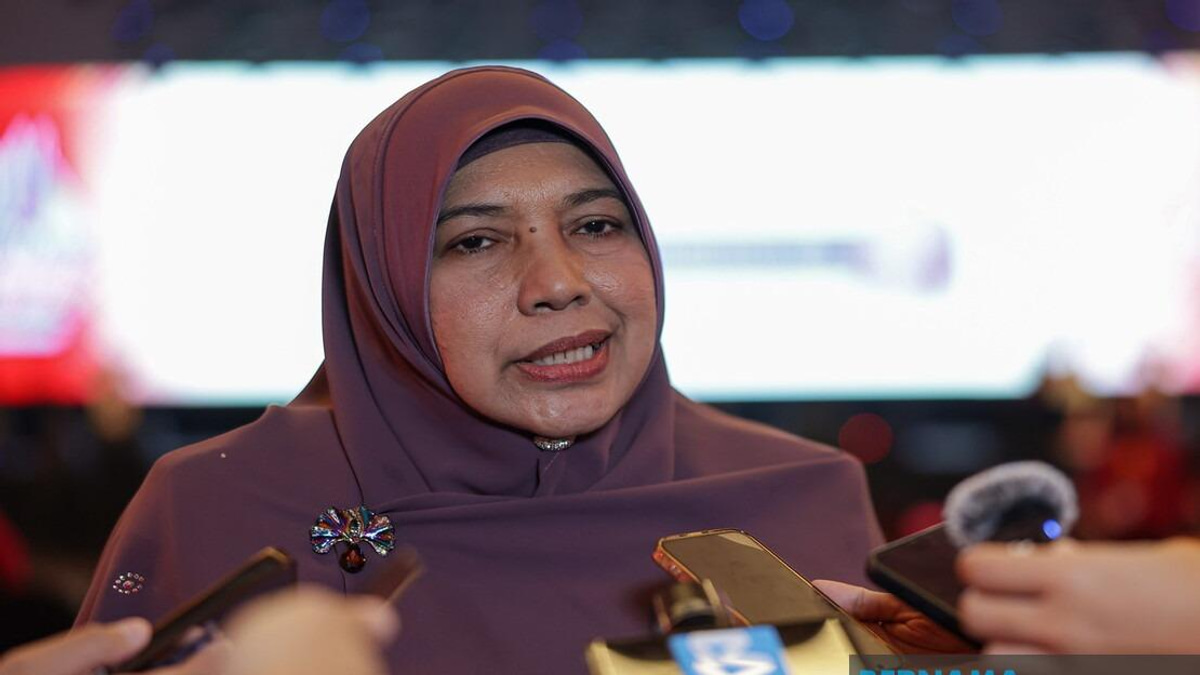
Datin Paduka Nur-ul Afida Kamaludin, chief executive officer of Bernama and chairman of the HAWANA 2026 Working Committee, has overseen the mobilisation of resources and coordination with local stakeholders. Her team's approach to hosting the event outside the capital reflects a conscious decision to broaden the summit's geographic footprint, though this geographical expansion presents novel challenges distinct from previous iterations held in Kuala Lumpur. The relocation to Penang required sophisticated logistical planning that extended beyond typical event management, encompassing accommodation procurement, ground transportation networks, and coordination with hospitality providers across the state to accommodate both the organising committee and visiting media professionals.
The decision to establish the summit in Penang underscores Malaysia's intention to decentralise major media industry gatherings and strengthen journalism networks beyond the capital region. However, Nur-ul Afida acknowledged that this shift may influence attendance patterns compared with previous editions. When HAWANA operates in Kuala Lumpur, accessibility enables broader participation from journalists and media executives across the country. The Penang venue, while strategically important for regional media development, may present barriers for some practitioners due to work obligations, scheduling conflicts, and competing professional responsibilities that could limit their capacity to travel northward.
The summit is poised to convene approximately 1,000 media practitioners spanning both domestic and international participants, establishing itself as a crucial forum for contemporary journalism discourse. This gathering transcends ceremonial recognition; it functions as a substantive platform where industry leaders engage in substantive dialogue regarding emerging media challenges, technological disruption, and professional standards. For Malaysian journalists and news organisations operating in an increasingly complex information environment, such assemblies provide opportunities to calibrate industry responses to evolving audience expectations and digital transformation pressures.
The Ministry of Communications has positioned HAWANA as the nation's premier institution for honouring the contributions, professionalism, and dedication demonstrated by Malaysia's journalism community. Bernama, as the implementing agency, has mobilised institutional resources to ensure the summit meets these aspirational benchmarks. The PM's presence at the opening ceremony at 3 pm tomorrow signals governmental recognition of journalism's role in Malaysia's broader democratic and institutional framework, lending political weight to discussions around media credibility and social responsibility.
Beyond the main summit programme, complementary events organised by the Malaysian Media Council, the Federation of Malaysian Media Clubs (GKMM), and the Malaysian Press Institute (MPI) will run concurrently. These satellite gatherings permit deeper exploration of specialised topics and enable journalists to participate in targeted professional development activities aligned with their sectoral interests. Such multi-track programming reflects growing sophistication in how Malaysia's media industry structures professional development and peer engagement.
The choice of 'Media Integrity Strengthens Credibility' as the summit's overarching theme carries particular resonance for Southeast Asia's media landscape, where trust in news institutions faces persistent pressure from misinformation campaigns, commercial pressures, and fragmented audience ecosystems. For Malaysian readers and news consumers, the deliberations emerging from HAWANA 2026 may influence editorial priorities, fact-checking protocols, and transparency standards adopted by domestic news organisations. The summit effectively becomes a venue where industry practitioners collectively assess their credibility challenges and recommit to professional norms.
Penang's positioning as the venue also reflects broader regional dynamics within Malaysia. The northern state has emerged as an important economic and cultural hub, yet media industry infrastructure and professional networking opportunities have historically remained concentrated in the Klang Valley. By hosting HAWANA in Butterworth, organisers acknowledge Penang's significance and create space for northern Malaysian journalists to participate without the burden of southbound travel. This decentralisation strategy may strengthen professional cohesion across Malaysia's distinct regional journalism ecosystems.
For Malaysian media practitioners attending the summit, the convergence of 1,000 professionals presents networking opportunities essential for career advancement, knowledge exchange, and the forging of collaborative relationships across different news organisations and media formats. The international participants attending will bring comparative perspectives on global journalism trends, regulatory environments, and technological innovations that Malaysian media houses are adopting or contemplating. This cross-pollination of ideas and experiences positions HAWANA as more than a domestic recognition ceremony—it functions as a window connecting Malaysian journalism to international standards and peer practices.
The logistical investments made across the past seventy-two hours underscore the organisational commitment to hosting a high-calibre event despite the complications introduced by relocating outside Kuala Lumpur. The cooperation secured from Penang-based accommodation providers and transportation operators demonstrates how HAWANA's institutional standing mobilises broad stakeholder support. For Malaysian journalism, the summit represents an opportunity to take stock of professional achievements, acknowledge emerging challenges, and collectively envision journalism's trajectory in an era characterised by technological disruption and evolving audience relationships.