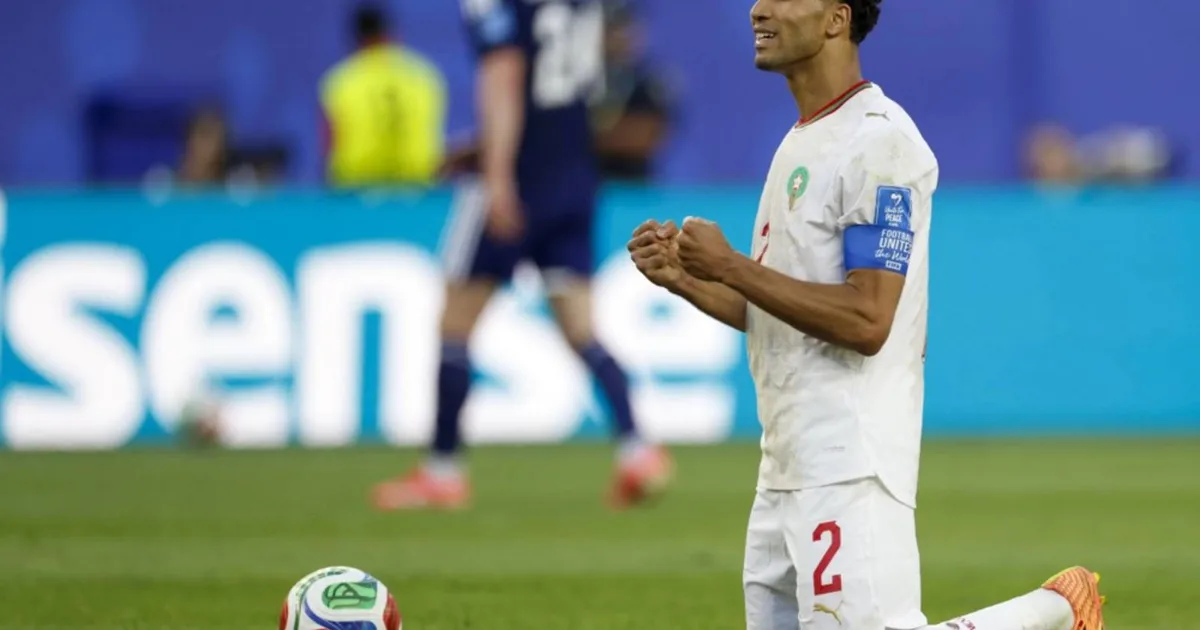
Achraf Hakimi, the Paris Saint-Germain right-back and Morocco international, confronts serious criminal allegations as he navigates a rape trial centring on claims made by a 24-year-old woman from the Paris region. The incident in question allegedly occurred in 2023, though Hakimi has categorically rejected the accusations. Despite the weight of legal proceedings, Morocco's national team coach has made a deliberate show of confidence in the player's mental fortitude, describing him as maintaining an emotionally balanced demeanor throughout the ordeal.
The case represents a significant challenge for one of European football's prominent defenders, whose career trajectory at PSG has positioned him among the continent's elite attacking fullbacks. The allegations emerged last year and have since escalated into formal judicial proceedings, thrusting both the player and his club into an uncomfortable spotlight. For Malaysian and Southeast Asian football enthusiasts who follow the French league and international competitions, the case underscores the intersection of professional sports and criminal justice systems in Western Europe, where high-profile athletes face public trials while maintaining their careers.
Morocco's coaching staff appears committed to maintaining continuity with Hakimi's international involvement, signalling that the footballer's contribution to the national team remains valued despite ongoing legal complications. The coach's public backing suggests a strategic decision to shield the player from additional psychological pressure while legal matters proceed through the courts. This measured response reflects a delicate balance between supporting a crucial player and acknowledging the seriousness of the allegations, a calculation that few sports organisations must navigate simultaneously.
Hakimi's situation reveals the complexity faced by modern professional footballers, particularly those operating at the elite level where commercial interests, sponsorships, and national team obligations intersect with personal legal challenges. PSG, as one of world football's wealthiest and most prominent institutions, must contend with reputational considerations whilst respecting due process and the legal principle of presumed innocence. The club's handling of the matter carries implications for how multinational sports organisations manage the dual responsibilities of protecting their brand and safeguarding player welfare.
In the broader Southeast Asian context, where football culture thrives across the ASEAN region, such cases generate keen interest and discussion about player conduct, institutional accountability, and the governance structures that shape professional sports. The prominence of the French league in regional broadcasting means Malaysian audiences and football communities across the region follow developments involving marquee players like Hakimi with considerable attention. The trial proceedings will likely attract scrutiny from Malaysian sports journalists and local football commentators seeking to understand how elite European clubs and federations respond to such circumstances.
The coach's characterisation of Hakimi as remaining "calm" despite trial pressures indicates an assessment that the player possesses the psychological resilience necessary to continue performing at international level. This observation carries implicit confidence in Hakimi's ability to compartmentalise personal difficulties from professional responsibilities, a skill demanded of athletes facing extraordinary circumstances. Whether this assessment proves accurate will become evident through Hakimi's performances in upcoming international fixtures and the duration of the legal process.
The allegations themselves, whilst reported in mainstream media, remain subject to judicial examination and verdict. Hakimi's denial of the charges positions the case within the framework of he-said-she-said disputes that occupy significant time and resources within Western legal systems. The protracted nature of such trials means the player and his team face extended periods of uncertainty, during which performance and focus remain tested by ongoing legal proceedings.
For PSG, the situation presents a complex management challenge spanning multiple departments. The sporting directorate must assess whether Hakimi's services remain worth the institutional complications, whilst the club's legal and communications teams navigate media relations and potential commercial impacts. Sponsors and broadcasters monitor developments with interest, aware that association with players facing criminal allegations carries reputational implications regardless of eventual trial outcomes.
Morocco's commitment to Hakimi suggests confidence that the player will ultimately be exonerated, or alternatively, that the federation views international team participation as therapeutically valuable during a period of intense personal stress. The national team context differs markedly from club football, where commercial pressures dominate; international football carries elements of national pride and sporting achievement that transcend individual legal circumstances. By maintaining Hakimi's place within the squad, Morocco's coaching structure sends a message about solidarity and faith in the player's character.
The broader implications for Southeast Asian football governance remain subtle but significant. As the region's sporting infrastructure develops and clubs from nations across ASEAN increasingly participate in continental and global competitions, cases like Hakimi's demonstrate the necessity for robust legal frameworks, ethics policies, and safeguarding procedures. Malaysian football authorities and regional sports bodies monitor how elite European clubs and federations handle such matters, informing their own institutional policies and governance practices.
Ultimately, Hakimi's case illustrates the tension between professional football's demands for consistent performance and the human reality of legal jeopardy. Whether the player's psychological stability proves equal to the challenge, and whether the legal proceedings ultimately vindicate or condemn him, remain open questions. For now, Morocco's backing and Hakimi's apparent equilibrium suggest a determination to preserve normalcy amid extraordinary circumstances.