The National Unity Week 2026 celebration concluded in Kota Kinabalu on June 14 with a landmark achievement, drawing 284,448 visitors across its four-day run and establishing the highest attendance figure recorded since the initiative began in 2023. The substantial turnout signals a growing momentum for Malaysia's flagship unity programme and underscores deepening public engagement with efforts to strengthen national integration through cultural exchange and shared experience.
National Unity Minister Datuk Aaron Ago Dagang attributed the record numbers to an observable shift in how Malaysians are connecting with narratives of national identity and diversity. The minister emphasised that such engagement reflects an expanding recognition among citizens of the intricate relationship between cultural appreciation, heritage preservation, and the foundations that sustain national cohesion. Rather than viewing diversity as a fragmentation risk, the attendance patterns suggest Malaysians increasingly perceive their multicultural fabric as a source of collective strength and competitive advantage.
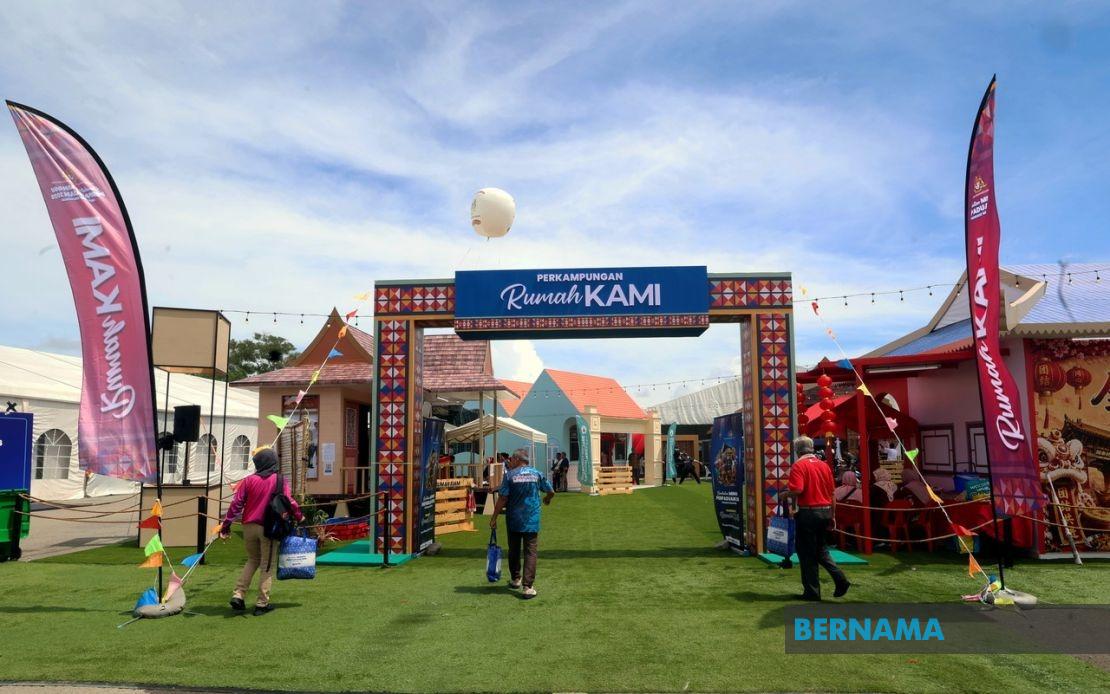
Three exhibition components emerged as particular crowd magnets throughout the event. The Ethnic Village proved most effective in demonstrating the quotidian realities of Malaysia's major communities, allowing visitors direct exposure to how different groups organise their daily lives, practise traditions, and maintain cultural continuity. This experiential approach proved more resonant than static displays alone, generating sustained foot traffic and extended visitor engagement across the four-day period.
The Ethnic Houses section likewise captured considerable attention by providing detailed representations of distinctive architectural and lifestyle traditions among groups including the Bajau, Melanau, Banjar, Kedayan, and Portuguese communities. By isolating and celebrating the material culture and heritage specificity of these populations, the exhibition framework validated particular identities within Malaysia's broader tapestry while enabling comparative appreciation across groups. For many visitors, especially younger demographics, these houses functioned as accessible entry points to understanding Malaysia's ethnic and cultural layering.
The Negara Bangsa and Raja Kita Exhibition demonstrated particular success in mobilising youth participation and historical awareness. By connecting national history narratives to contemporary youth audiences, the curators tapped into a demographic segment often perceived as less engaged with heritage messaging. The exhibition's apparent resonance with younger visitors carries implications for future nation-building initiatives, suggesting that frameworks linking historical context to present-day relevance prove more compelling than commemorative approaches alone.
Minister Aaron's remarks positioned National Unity Week within a broader strategic framework that moves beyond episodic cultural tourism. He articulated a conviction that sustainable national integration cannot emerge from isolated programmes or annual rituals, but demands instead systematic, multigenerational commitment embedded across institutions and social practices. This conceptual shift reflects international scholarship on social cohesion, which consistently demonstrates that durable unity requires reinforcing mechanisms that function continuously rather than concentrating resources in occasional, high-profile interventions.
Looking forward, the Ministry of National Unity committed to expanding National Unity Week into an annually recurring national platform. This decision reflects confidence that the model can scale beyond Kota Kinabalu's hosting capacity, though questions of replication quality and venue sustainability remain unaddressed. Future editions will require careful attention to preserving the experiential intimacy and authenticity that apparently drove engagement in 2026 while managing logistical demands of significantly larger audiences.
The minister's emphasis on creating ongoing opportunities for cross-community interaction and mutual understanding signals a recognition that public programming must operate in tandem with institutional reform, education curriculum adjustments, and workplace diversity initiatives to generate durable behavioural change. Standalone cultural events, however successful, cannot substitute for systemic commitment to equitable access, representation, and resource distribution across communities. The attendance records thus represent encouraging public appetite for unity messaging but not necessarily evidence that underlying structural integration challenges are resolving.
The initiative aligns with the broader MADANI Government framework articulating national vision transcending racial, religious, and regional demarcations. However, the gap between aspirational rhetoric and implementation remains substantial across Malaysian governance. National Unity Week provides visibility and symbolic momentum for these aspirations, yet observers of Malaysian politics recognise that translating event attendance into sustained policy coherence and behavioural shifts requires mechanisms extending far beyond cultural programming into sensitive domains including economic redistribution, institutional representation, and political power-sharing.
For Malaysia's diverse regions, the Kota Kinabalu event demonstrated that East Malaysian hosting carries significant symbolic weight and operational viability. The concentration of previous national initiatives in peninsular locations reinforces perceptions of centralised decision-making, making Sabah's selection meaningful for regional stakeholders. Future events might strategically rotate through different states and regions, using the platform to highlight regional distinctiveness while building genuinely nationwide participation and ownership.
The involvement of private sector and civil society organisations in supporting National Unity Week, as referenced in ministerial statements, points toward potential scaling models for future iterations. Public-private partnership approaches to cultural programming can leverage business resources and marketing capabilities while maintaining government stewardship of national narrative framing. However, this arrangement requires careful monitoring to ensure commercial interests do not compromise authentic representation or subordinate marginalised community voices to market-driven considerations.
As Malaysia navigates evolving demographic and geopolitical pressures affecting social cohesion, initiatives like National Unity Week provide valuable pressure-release valves and dialogue platforms. The 284,448 visitors represent lived engagement with national diversity rather than passive consumption of unity messaging, suggesting potential for expanding these experiences. Sustained success will depend on whether the ministry can translate event enthusiasm into structural mechanisms ensuring communities feel genuinely represented in national development trajectories and policy outcomes.